
 by zameeninfo.com
Introduction
The property for rent in China is one of the largest real estate markets in the world, offering endless opportunities for tenants, expats, and investors. Whether you’re looking for an affordable studio in Beijing, a luxury flat in Shanghai, or a budget-friendly property in Guangzhou, the choices are vast. This detailed guide explores everything you need to know about property for rent in China — monthly rental costs, key features, types of apartments, and city-wise breakdowns. We’ll also answer common questions like “Is it cheap to rent in China?” and “How much do apartments cost per month?”
Thank you for reading this post, don't forget to subscribe!1. Why Rent Property in China?
China’s cities are global business hubs, attracting millions of students, professionals, and expatriates. Renting is often more practical than buying due to strict ownership laws for foreigners. This makes property for rent an essential part of China’s housing market, especially in metropolitan cities.
2. Key Features of Property for Rent in China
- Variety of Sizes: From compact studios to large multi-bedroom apartments.
- Furnishing Options: Both furnished and unfurnished flats are widely available.
- Modern Facilities: Many apartments include gyms, pools, and smart security.
- Prime Locations: Properties near subways, schools, and business districts.
- Flexible Contracts: Long-term and short-term lease agreements.
3. Average Rent Prices in China
Rental costs in China vary widely depending on the city and location. On average, tenants can expect to pay:
- Beijing: RMB 5,000–12,000 per month
- Shanghai: RMB 6,000–15,000 per month
- Shenzhen: RMB 4,000–10,000 per month
- Guangzhou: RMB 3,500–8,000 per month
For more listings, check:
4. Property for Rent in Beijing
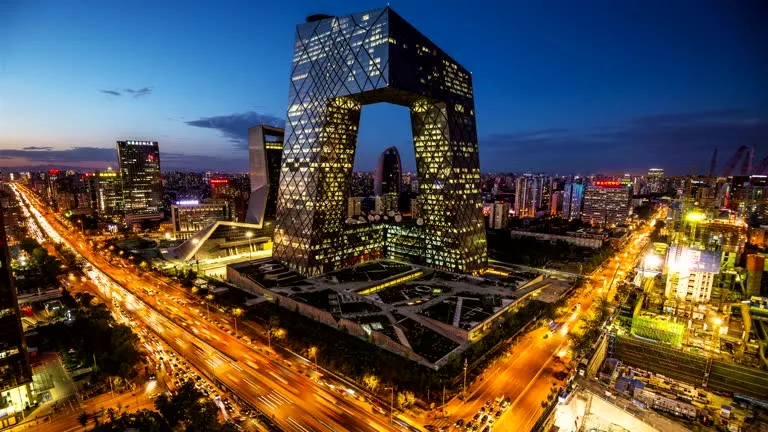
Beijing, China’s capital, has a dynamic rental market. Popular among students, expats, and professionals, it offers everything from affordable flats to high-end serviced apartments.

5. Property for Rent in Shanghai

Shanghai is a global financial hub with some of the most luxurious properties in China. Apartments for rent here often feature high-rise views, modern interiors, and close proximity to major business districts.

6. Property for Rent in Shenzhen
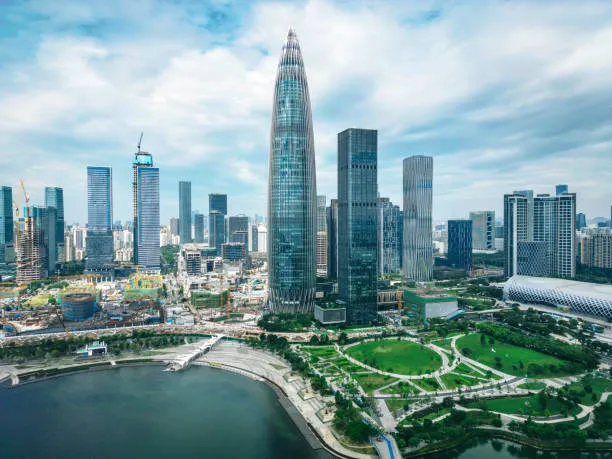
Shenzhen is a booming tech hub, attracting young professionals and start-up founders. Rental prices are lower than Shanghai but still modern and stylish.

7. Property for Rent in Guangzhou
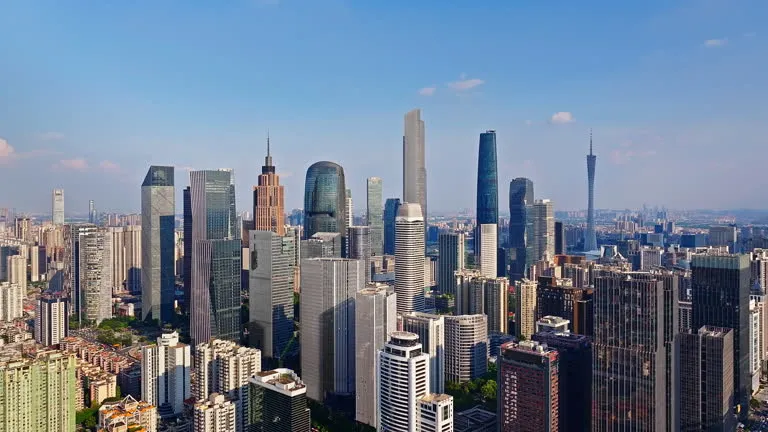
Known for trade and commerce, Guangzhou offers some of the most budget-friendly rental options among major Chinese cities.

8. Apartment for Rent in China for Foreigners
Foreigners can legally rent property in China, but the process varies from city to city. Major cities like Beijing and Shanghai are more foreigner-friendly, with agencies specializing in helping expats. These agencies assist with finding the right apartment, reviewing contracts, handling deposits, and negotiating with landlords. It is strongly advised for foreigners to always request bilingual contracts to avoid misunderstandings.
9. China Apartments for Rent – Furnished Options
Furnished apartments are highly popular among expats and students because they save time and effort. These rentals usually include essential furniture, kitchen appliances, air conditioning, and Wi-Fi. Furnished options are ideal for short-term stays or newcomers who do not want to invest in buying household items. While slightly more expensive than unfurnished apartments, they provide convenience and immediate move-in readiness.
10. Rent in China per Month
The monthly rent for apartments in China depends on the city, location, and size of the property. On average, costs range between RMB 3,500 to RMB 15,000. Students and younger professionals often share apartments to reduce expenses, while expats in business districts may pay higher premiums for prime locations. Living outside city centers significantly lowers monthly rent.
11. Luxury Properties for Rent in China
China’s big cities offer world-class luxury apartments, particularly in Shanghai, Beijing, and Shenzhen. These high-end rentals often feature stunning city or river views, private gyms, rooftop pools, and premium concierge services. Monthly rents for such properties can exceed RMB 20,000. Luxury apartments are most popular among senior executives, diplomats, and expatriates seeking top-level comfort and security.
12. Budget-Friendly Properties for Rent
Not all rentals in China are expensive. In suburban areas and smaller cities, tenants can find apartments as low as RMB 2,000 per month. These options are perfect for students, small families, or workers who prioritize affordability over location. While budget rentals may lack luxury amenities, they still provide functional living spaces with basic facilities.
13. Is it Cheap to Rent in China?
Compared to global cities like London, New York, or Tokyo, renting in China can be relatively affordable. Cities such as Guangzhou and Chengdu offer lower rental prices compared to Beijing or Shanghai. However, properties in central business districts or near international schools remain expensive. Whether rent is considered “cheap” depends largely on the tenant’s income and chosen city.
14. Short-Term Rentals in China
Short-term rentals are popular among business travelers, tourists, and students attending language programs. These apartments are usually fully furnished and can be rented weekly or monthly. Although convenient, short-term rental costs are higher compared to long-term leases. They are best suited for temporary stays or trial periods before committing to a long-term apartment.
15. Long-Term Rentals in China
Most standard rental contracts in China last for 12 months, with renewal options available. Long-term rentals are more cost-effective, as landlords are often willing to negotiate monthly rates for extended commitments. Long-term leases provide stability and are ideal for expatriates working or studying in China for more than a year.
16. Serviced Apartments in China
Serviced apartments combine the convenience of hotels with the privacy of rental housing. They typically include cleaning services, laundry facilities, utilities, and sometimes even breakfast. These apartments are popular with corporate travelers, executives, and families seeking a hassle-free living arrangement. Though more expensive than regular rentals, serviced apartments offer unmatched convenience.
17. Shared Apartments for Students
Students in China often choose shared apartments to cut down on living costs. In cities like Beijing and Shanghai, rents for shared spaces start around RMB 1,500 per month per person. Sharing an apartment allows students to live closer to universities while reducing individual expenses. It is also a great way for international students to socialize and adapt to local culture.
18. Average Utility Costs with Rentals
Tenants in China usually pay utilities separately from rent. Typical monthly expenses include RMB 200–400 for electricity, RMB 100–200 for water, RMB 100–300 for gas, and RMB 100–200 for internet. Together, these utilities average RMB 500–1,000 per month. Tenants should clarify with landlords whether utilities are included in the rental price or billed separately.
19. Deposit and Advance Payment
The property for rent in China in China generally require a two-month security deposit plus one month’s rent upfront. The deposit covers potential damages or unpaid bills and is refundable at the end of the lease if all conditions are met. It’s important for tenants to always obtain official receipts and ensure that deposit terms are clearly written in the contract.
20. Property Sizes in China
Apartment sizes vary widely, depending on budget and city. Studios may be as small as 30 square meters, while multi-bedroom luxury apartments can exceed 200 square meters. Larger apartments are common in suburban areas, while compact units dominate city centers. Tenants should carefully assess space needs before choosing a property.
21. Best Areas for Expats in Beijing
In Beijing, Chaoyang District and Sanlitun are the top choices for foreigners. These areas are home to international schools, embassies, and expat-friendly services. Sanlitun is known for nightlife and shopping, while Chaoyang offers proximity to business centers and family-friendly housing. Rental prices are higher here due to demand from expats.
22. Best Areas for Expats in Shanghai
Shanghai’s French Concession and Pudong areas are particularly attractive to expatriates. The French Concession offers a charming European-style atmosphere, leafy streets, and boutique apartments. Pudong, on the other hand, is modern and full of high-rise luxury apartments near financial hubs. Both areas are well connected by public transport.
23. Best Areas for Expats in Shenzhen
In Shenzhen, Nanshan District is a favorite among foreign professionals. Known as the city’s tech hub, it offers modern apartments near global companies and start-ups. With international schools, shopping malls, and a lively nightlife, Nanshan provides a balanced lifestyle for expats. Rental costs here are more affordable compared to Shanghai and Beijing.
24. Best Areas for Expats in Guangzhou
Tianhe District is Guangzhou’s most expat-friendly area. It features modern apartment complexes, shopping centers, and excellent transport links. Many multinational companies and international schools are located here, making it ideal for families. Rentals in Tianhe are also more affordable compared to Beijing and Shanghai, making it a practical choice for expats.
25. Real Estate Agencies in China
Real estate agencies simplify the rental process for both locals and foreigners. They help tenants find suitable properties, arrange viewings, and negotiate rental terms. For foreigners, agencies are particularly useful in overcoming language barriers and understanding local laws. While agencies charge a service fee (usually half a month’s rent), the assistance they provide is often worth the cost.
26. Digital Platforms for Rentals
Online property portals have transformed the rental market in China. Platforms like Zameeninfo allow users to search for verified listings, compare prices, and contact landlords or agents directly. These portals provide transparency and convenience, making them popular among both locals and foreigners.
27. Saling Prices vs. Renting Prices
Foreigners face restrictions when purchasing property in China, especially for investment purposes. Because of these limitations, property for rent is the most practical option for expats. Renting also offers flexibility, allowing tenants to move freely without long-term financial commitments. For locals, buying remains popular, but renting is increasingly common in big cities.
28. Challenges of Renting in China
The property for rent in China can sometimes be challenging for new arrivals. Language barriers, hidden fees, and confusing contract clauses are common issues. Upfront deposits can also be financially demanding. To avoid problems, tenants should work with trusted agencies and carefully review all agreements before signing.
29. Tips for Renting as a Foreigner
Foreigners should always insist on bilingual contracts and confirm the landlord’s ownership documents before making payments. It’s also important to check whether utilities and maintenance are included in rent. Negotiating payment terms can sometimes reduce costs. Lastly, keeping copies of all agreements ensures transparency throughout the rental period.
30. Lifestyle Benefits of Renting in China
Renting provides flexibility and convenience, especially for expats who may not stay permanently in China. It allows access to prime city locations and modern housing without the challenges of property ownership. Renting also makes it easier to upgrade or downgrade housing as lifestyle needs change. This flexibility is one of the key advantages of the Chinese rental market.
FAQs about property for rent in China
Q1: How much does it cost to rent property in China per month?
It ranges from RMB 3,500 in smaller cities to RMB 15,000+ in Beijing and Shanghai.
Q2: Is it cheap to rent in China?
Yes, compared to Western cities, especially outside Tier-1 cities.
Q3: Can foreigners rent property in China?
Yes, but contracts should be bilingual, and deposits are required.
Q4: What is the average size of apartments for rent?
Studios start at 30 sq.m., while luxury flats exceed 200 sq.m.
Q5: What is included in rent?
Usually only the property; utilities are paid separately.
Q6: Can you rent property in China short-term?
Yes, serviced and short-term rentals are available at higher rates.
Q7: What are the best cities for renting in China?
Beijing, Shanghai, Shenzhen, and Guangzhou.
Q8: Is it possible to share apartments?
Yes, many students and workers share apartments to save costs.
Q9: How do deposits work in China?
Typically two months’ rent as deposit and one month in advance.
Q10: Can you rent a girlfriend in China for only $31 a week?
This phrase is often misunderstood. While online discussions exist, official rental markets only focus on property for rent, not personal services.
Conclusion of property for rent in China
The property for rent in China offers endless opportunities, from affordable flats to high-end apartments in global business hubs. With rents ranging between RMB 3,500 and RMB 20,000 per month depending on city and property type, there’s something for everyone. Whether you’re a student, professional, or expat family, exploring the property for rent market in China ensures flexibility, convenience, and access to world-class amenities.