
 by zameeninfo.com
Introduction
Welcome to Dubai, a dazzling metropolis where ancient traditions meet futuristic innovation. As one of the most dynamic cities in the United Arab Emirates (UAE), Dubai offers a blend of luxury, culture, and opportunity that draws millions of visitors and expats each year. This Dubai city guide is your all-in-one resource, optimized for anyone planning a trip, relocation, or investment in this global hub. We’ll dive into the history of Dubai, from its humble beginnings as a pearling village to its rise as a world-class destination. With a population exceeding 4 million in 2025 and a booming economy, Dubai continues to evolve, making it essential to stay informed on local trends, rules, and opportunities.
Thank you for reading this post, don't forget to subscribe!Whether you’re curious about the tallest buildings gracing its skyline, navigating property markets, or understanding daily life, this guide provides informational and actionable insights. For property-related queries, resources like ZameenInfo.com offer detailed listings and guides tailored to Dubai’s real estate scene. Let’s explore what makes Dubai tick.
History of Dubai
The history of Dubai is a captivating tale of transformation. Founded in the early 18th century as a small fishing and pearling settlement along Dubai Creek, Dubai was home to around 700-800 members of the Bani Yas tribe by 1822. In 1833, the Al Maktoum family, led by Maktoum bin Butti, established control, marking the beginning of the dynasty that rules today.
During the 19th century, Dubai signed treaties with Britain, becoming part of the Trucial States for protection. The early 20th century saw it emerge as a free port in 1901, attracting merchants and boosting trade. Oil discovery in 1966 at the Fateh field accelerated growth, with population surging 300% between 1968 and 1975. Sheikh Rashid bin Saeed Al Maktoum, ruler from 1958 to 1990, invested in infrastructure like Port Rashid (1972) and Jebel Ali Port (1979).
Joining the UAE in 1971 after British withdrawal, Dubai diversified beyond oil, which now contributes less than 1% to GDP. The 1990s and 2000s brought iconic projects like the Palm Jumeirah (2001) and Burj Khalifa (2010). Despite the 2008 financial crisis, recovery was swift, with Expo 2020 (held 2021-2022) showcasing its resilience. As of 2025, Dubai’s history reflects a strategic vision, turning desert sands into a thriving economy. For a deeper dive into historical sites, visit areas like Al Fahidi Historical Neighborhood.
Geography and Climate of Dubai
Dubai spans 4,114 square kilometers on the southeast coast of the Persian Gulf, bordered by Abu Dhabi to the south, Sharjah to the northeast, and Oman to the southeast. Its landscape features sandy deserts, gravel plains, and reclaimed coastlines, adding over 300 km of artificial shore. Key geographical features include Dubai Creek, dividing Bur Dubai and Deira, and the Hajar Mountains rising to 1,300 meters in the east.
The climate is a hot desert (BWh), with scorching summers (averages 40°C highs, 30°C lows) and mild winters (24°C highs, 14°C lows). Humidity peaks in summer, creating heat indices over 60°C, while annual rainfall is about 79 mm, often causing flash floods as seen in 2024. For visitors, pack light clothing and stay hydrated. Voice search tip: “What’s the best time to visit Dubai?” Opt for November to March for comfortable weather.
Government and Politics in Dubai
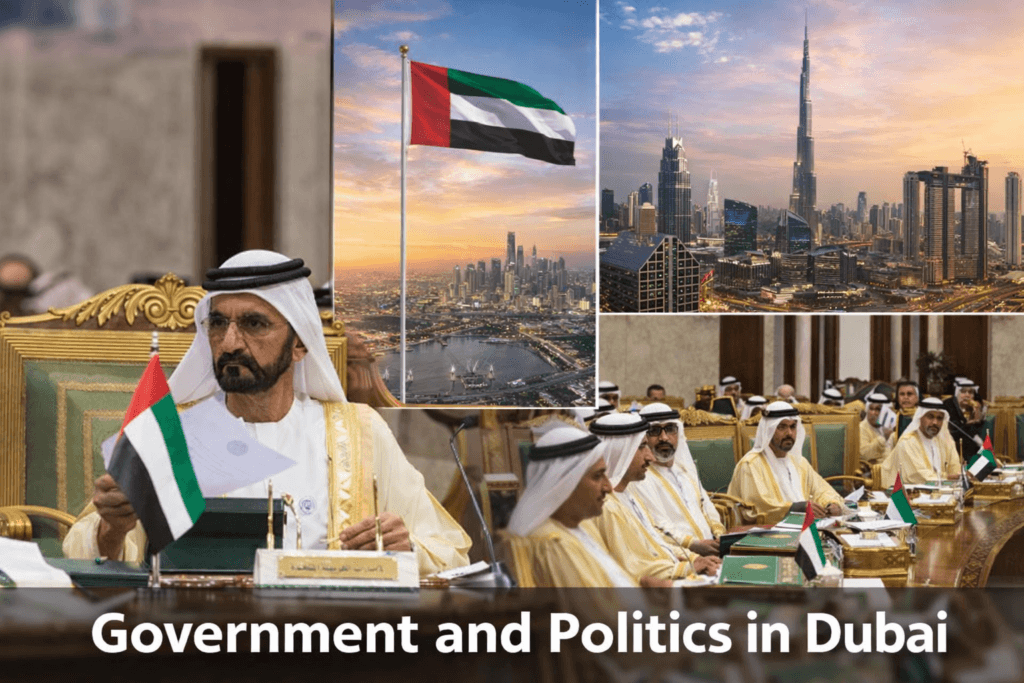
Dubai operates as an absolute monarchy within the UAE’s federal system. The Al Maktoum family has ruled since 1833, with Sheikh Mohammed bin Rashid Al Maktoum as ruler since 2006. He also serves as the UAE Vice President and Prime Minister, and is a member of the Supreme Council of the Union. The Crown Prince, Hamdan bin Mohammed Al Maktoum, chairs the Dubai Executive Council, established in 2003, which oversees policy in areas like economy, education, and transportation.
The Dubai Municipality, founded in 1954, manages urban planning and services through 58 departments. There is no elected legislature; instead, open majlis sessions allow public feedback. Dubai sends eight members to the UAE’s Federal National Council. Laws emphasize decency, with prohibitions on indecent clothing and internet censorship for cultural sensitivity. Human rights focus on labor reforms for migrants, though restrictions on expression persist. This structure ensures stability, fostering Dubai’s growth as a business hub.
Population and Demographics
Dubai’s population has exploded to approximately 4.03 million as of October 2025, up 5.43% from the previous year, adding over 208,000 residents. This makes it the UAE’s most populous city, with a metro area of about 6.36 million. Density stands at around 7,250 per km² in the city core.
Demographics are diverse: Only 15% are UAE nationals, while 85% are expatriates, primarily from Asia (51% Indian, 16% Pakistani, 9% Bangladeshi). Westerners (5.1%, including 100,000+ British) and Iranians (25% ancestry) add to the mix. Median age is 27, with a male-heavy skew due to labor migration. Religions include 56% Muslim, 25% Christian, and 16% Hindu. Languages: Arabic official, English lingua franca, plus Hindi, Urdu, and Tagalog.
| Key Demographic Insights | Details |
|---|---|
| Total Population (2025) | ~4.03 million |
| Growth Rate | 5.43% annual |
| Nationals vs. Expats | 15% UAE nationals, 85% expats |
| Top Ethnic Groups | Indian (51%), Pakistani (16%), Bangladeshi (9%) |
| Religions | Muslim (56%), Christian (25%), Hindu (16%) |
| Languages | Arabic, English, Hindi/Urdu, others |
| Median Age | 27 years |
This multicultural fabric enriches Dubai’s social scene, but expats should note visa requirements for long-term stays.
Economy of Dubai

| Indicator | Value | Year/Period | Notes/Details |
|---|---|---|---|
| GDP | ~AED 541 billion (current prices) | 2024 | Continued strong growth into 2025 (H1: AED 241B, +4.4%) |
| GDP Growth Rate | 3.2% (constant prices) | 2024 | H1 2025: +4.4%; Q1 2025: +4% |
| Oil Contribution | Less than 1% | Current | Heavy diversification success |
| Major Sectors (Contribution) | Wholesale/Retail: ~24-25% Transport/Storage: ~12-13% Finance/Insurance: ~11-12% Real Estate: ~8% | 2024-2025 | Trade, logistics, finance, and tourism drive growth |
| Non-Oil Trade | Significant growth | Ongoing | UAE-level non-oil trade strong; Dubai key hub |
| Tourism Visitors | 18.72 million | 2024 | Record high; H1 2025: ~9.88M (+6%) |
| DXB Airport Passengers | 92.3 million | 2024 | Record; world’s busiest international airport |
| Real Estate Transactions | AED 761 billion | 2024 | Boom continues; linked to property investment |
Iconic Landmarks and Architecture
Dubai’s architecture is legendary, blending innovation with luxury. Highlights include the Burj Al Arab (321m, 1999), Palm Jumeirah (2001-2006), and Dubai Marina (3.5 km canal). The Dubai Frame and Museum of the Future showcase modern design.
Tallest Buildings in Dubai
| Rank | Building Name | Height (meters) | Floors | Year Completed | Location / Area | Key Notes / Features |
|---|---|---|---|---|---|---|
| 1 | Burj Khalifa | 828 | 163 | 2010 | Downtown Dubai | World’s tallest building; observation deck “At The Top” on levels 124, 148 & 148+ |
| 2 | Marina 101 | 425 | 101 | 2017 | Dubai Marina | Tallest residential building in Dubai |
| 3 | Princess Tower | 413 | 101 | 2012 | Dubai Marina | One of the world’s tallest residential towers |
| 4 | 23 Marina | 392 | 90 | 2012 | Dubai Marina | Luxury residential tower |
| 5 | Elite Residence | 380 | 87 | 2012 | Dubai Marina | High-end apartments with sea views |
| 6 | The Address Boulevard | 306 | 63 | 2017 | Downtown Dubai | Luxury hotel & residences near Burj Khalifa |
| 7 | Emirates Towers One | 354 | 54 | 2000 | Sheikh Zayed Road | Iconic twin towers; one of Dubai’s early skyscrapers |
| 8 | JW Marriott Marquis Hotel | 355 (twin towers) | 82 | 2012 | Business Bay | World’s tallest hotel (twin towers) |
| 9 | The Torch | 345 | 79 | 2011 | Dubai Marina | Striking cylindrical design |
| 10 | DAMAC Heights (Viva Tower) | 335 | 78 | 2016 | Dubai Marina | Luxury residential with panoramic views |
Transportation in Dubai
Dubai’s transportation system is a model of efficiency and innovation, overseen by the Roads and Transport Authority (RTA), which integrates multiple modes to serve residents and visitors alike. As of 2025, the system emphasizes sustainability, smart technology, and seamless connectivity, handling millions of passengers daily amid the city’s rapid growth.
The Dubai Metro, launched in 2009 as the world’s longest driverless metro network, spans 89.7 km across two lines (Red and Green) with 53 stations, serving key areas like Downtown Dubai, Dubai Marina, and the airport. It transports over 600,000 passengers daily, with plans for expansion under the Dubai 2040 Urban Master Plan to add more lines and stations by 2030. Fares start at AED 3, and the Nol card system allows integrated payments across transport modes.
Public buses, operated by RTA, include over 1,500 vehicles on 170 routes, covering urban and inter-emirate travel. They are air-conditioned, Wi-Fi-enabled, and affordable, with fares from AED 2. Recent updates include electric bus fleets aligning with the UAE’s green mobility goals. For water transport, traditional abras (wooden boats) ferry passengers across Dubai Creek for AED 1, offering a cultural experience alongside modern marine options like water buses.
Taxis are plentiful, with over 12,000 vehicles from Dubai Taxi Corporation, including specialized services for families, ladies, and people with disabilities. Rides can be booked via the DTC app or hailed curbside, with metered fares starting at AED 12. Ride-hailing apps like Careem and Uber are also popular.
Airports anchor international connectivity: Dubai International Airport (DXB) handled 92.3 million passengers in 2024, projected to exceed 95 million in 2025, making it the world’s busiest for international traffic. Al Maktoum International Airport (DWC) is expanding to become the world’s largest, targeting 260 million passengers annually by 2050. Recent infrastructure includes widened bridges to the DXB Terminal 1.
Roads feature a 16-lane Sheikh Zayed Road and smart systems like variable message signs, reducing journey times by 20%. Plans include 103 km of new internal roads in residential areas and six pedestrian-cyclist bridges. Apps like RTA Dubai, S’hail, and Nol Pay streamline planning and payments. For eco-conscious travelers, cycling paths and electric vehicle charging stations are expanding.
Culture and Cuisine
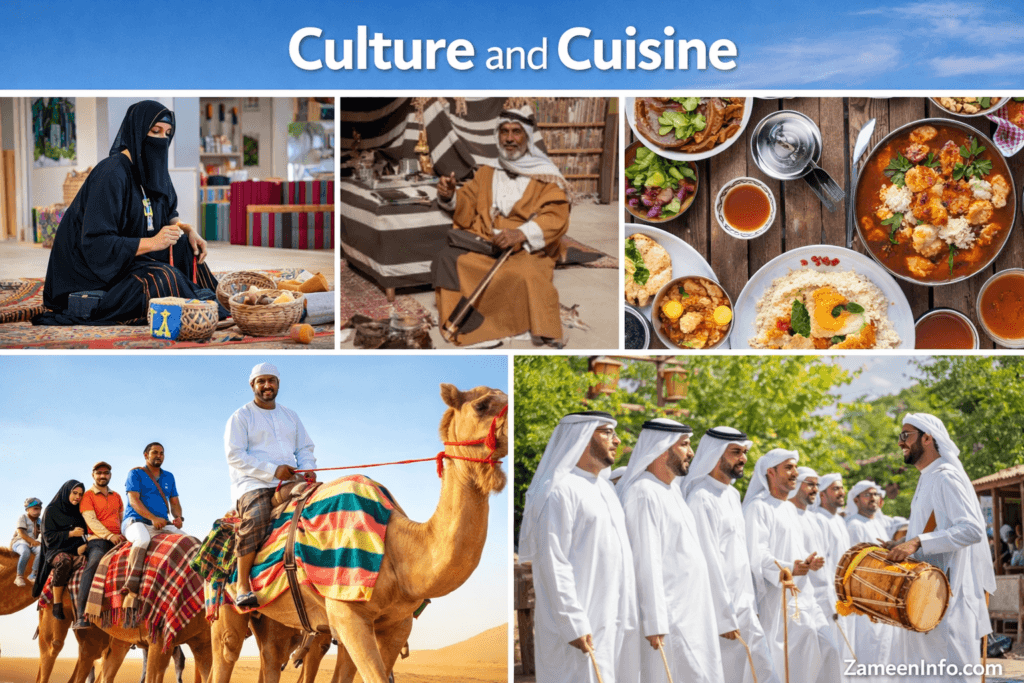
Dubai’s culture is a vibrant fusion of traditional Emirati heritage and global influences, shaped by its diverse population. Rooted in Bedouin traditions, it emphasizes hospitality (diyafa), Islamic values, and family bonds, while embracing modernity through art, music, and festivals.
Key cultural elements include the majlis (gathering spaces for discussion), traditional dress like the kandura for men and abaya for women, and practices such as falconry and camel racing, recognized by UNESCO. Festivals highlight this blend: The Dubai Shopping Festival (DSF), running from December 2024 to January 2025, attracts millions with sales, fireworks, and concerts. Other events include Ramadan tents for iftar, Eid celebrations with fireworks, and international ones like Chinese New Year and Diwali, reflecting the expat community.
Cuisine mirrors this diversity, evolving from simple Bedouin fare like harees (wheat porridge) and machboos (spiced rice with meat) to a global gastronomic hub. Emirati sweets like luqaimat (fried dough balls) and street eats like shawarma are staples. In 2025, the Dubai Food Festival (April-May) showcases over 200 events, from chef masterclasses to food tours exploring hidden gems in Deira and Bur Dubai. Try shisha (flavored tobacco) in atmospheric souks like the Spice Souk, or high-end fusion at Michelin-starred spots.
Cultural tours in 2025 emphasize authenticity, visiting Al Fahidi Historical Neighborhood for wind-tower architecture and the Sheikh Mohammed Centre for Cultural Understanding for coffee (gahwa) sessions. The Emirati Cuisine Competition at ICCA Dubai in December 2025 highlights innovative twists on classics. For visitors, respect traditions by trying local dishes at affordable eateries in Karama.
Education in Dubai
Dubai’s education system is world-class, catering to its multicultural population with a focus on quality and innovation. As of 2025, over 220 private schools are enrolling more than 300,000 students, offering curricula like International Baccalaureate (IB), British (A-Levels), American (AP), Indian (CBSE), and UAE Ministry of Education programs.
The Knowledge and Human Development Authority (KHDA) regulates and rates schools annually; 17 are rated “Outstanding,” including Dubai International Academy and GEMS Wellington International School. Enrollment has grown 5% year-on-year, with 90% of students in private institutions due to the expat majority.
Universities number around 60, with branches like Middlesex University Dubai specializing in business, media, and engineering. Other top ones include the University of Dubai and the American University in Dubai, offering programs aligned with industries like finance and tech. In 2025, reforms emphasize STEM, AI integration, and international student visas, attracting over 100,000 global learners.
Public schools, free for Emiratis, focus on Arabic and Islamic studies, while private fees range from AED 20,000-100,000 annually. Scholarships and online platforms like Dubai Schools Games promote extracurricular activities. For expats, research KHDA reports for school inspections.
Healthcare in Dubai
Healthcare in Dubai is advanced and accessible, with mandatory health insurance for all residents since 2014. The Dubai Health Authority (DHA) oversees the sector, ensuring high standards across 28 hospitals and 1,348 clinics as of 2025.
Public facilities like Dubai Hospital and Rashid Hospital provide subsidized care for Emiratis, while private ones like American Hospital and Cleveland Clinic Abu Dhabi cater to expats with international accreditation. Key stats: Over 4,000 doctors per 100,000 residents, and telemedicine has surged post-COVID.
In 2025, initiatives include the Dubai Health Strategy 2026, focusing on preventive care, AI diagnostics, and mental health. Vaccination rates are 95%, and new facilities like the Dubai Harbor Medical Centre enhance specialty care. Costs: Basic insurance premiums start at AED 600 annually, covering outpatient (80%) and inpatient services.
For tourists, pharmacies are widespread, and emergency services are free. Expats should secure employer-sponsored insurance to avoid fines.
Media and Entertainment
Dubai’s media and entertainment scene thrives in Dubai Media City (DMC), home to over 2,000 companies, including Reuters, CNN, and local outlets like Gulf News and Khaleej Times. It fosters free expression within cultural bounds, with digital media booming.
Entertainment highlights include Dubai Opera, opened in 2016, unveiling its 2025-26 season with over 50 shows, from operas to Bollywood spectacles. Art Dubai, the Middle East’s largest art fair, draws 100 galleries in March 2025. Festivals: Butterfly Carnival (November 2025) at DMC Amphitheatre blends music and culture.
November 2025 events include the Bridge World Summit and Thai SELECT Festival. New Year’s Eve 2025 at Burj Khalifa features Bollywood themes. For locals, What’s On Dubai magazine covers culture and spas.
Sports in Dubai
Dubai is a global sports hub, hosting events like the Dubai World Cup (horse racing, AED 44 million prize) and Dubai Tennis Championships (ATP/WTA). The Dubai Sports Strategy 2033 aims to make 50% of residents active, with facilities like Dubai Sports City.
In 2025, initiatives include community fitness programs and hosting the Dubai Desert Classic golf tournament. Popular sports: Football (Al Wasl FC), cricket, and adventure like skydiving. Over 500 gyms and free beach workouts promote health.
Dubai Airshow 2025
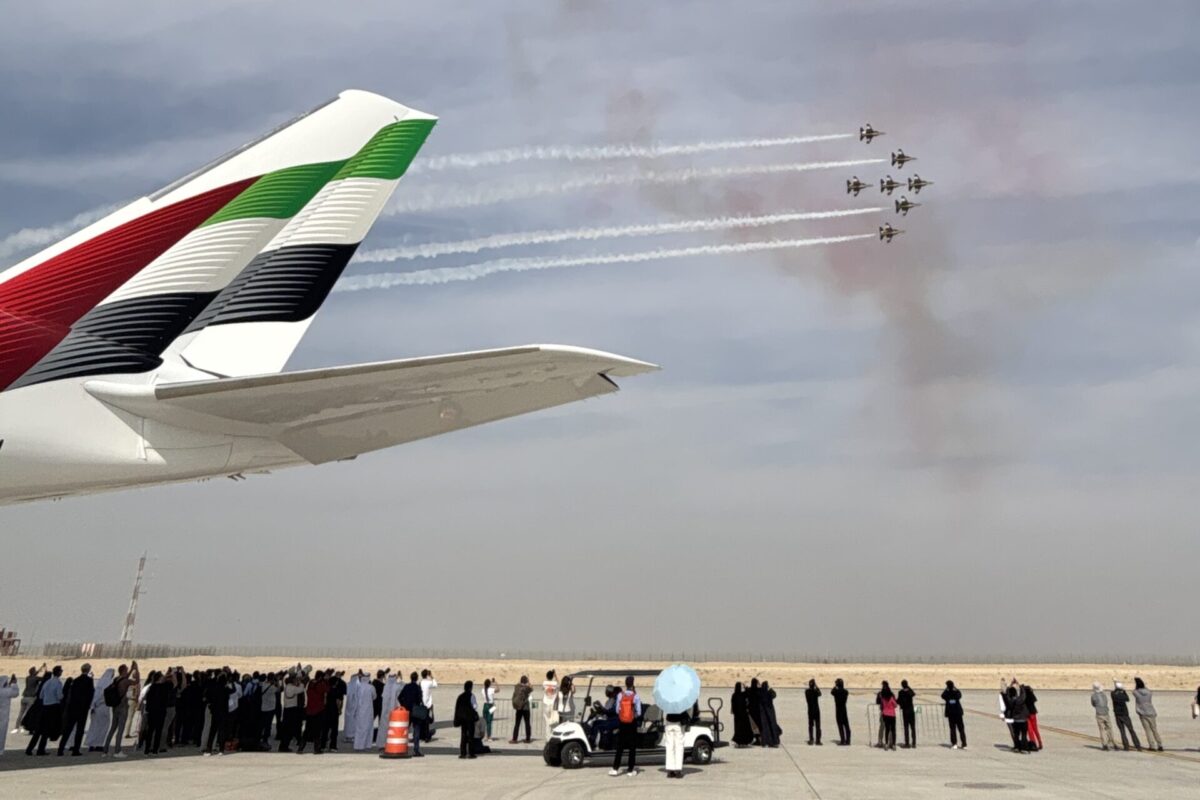
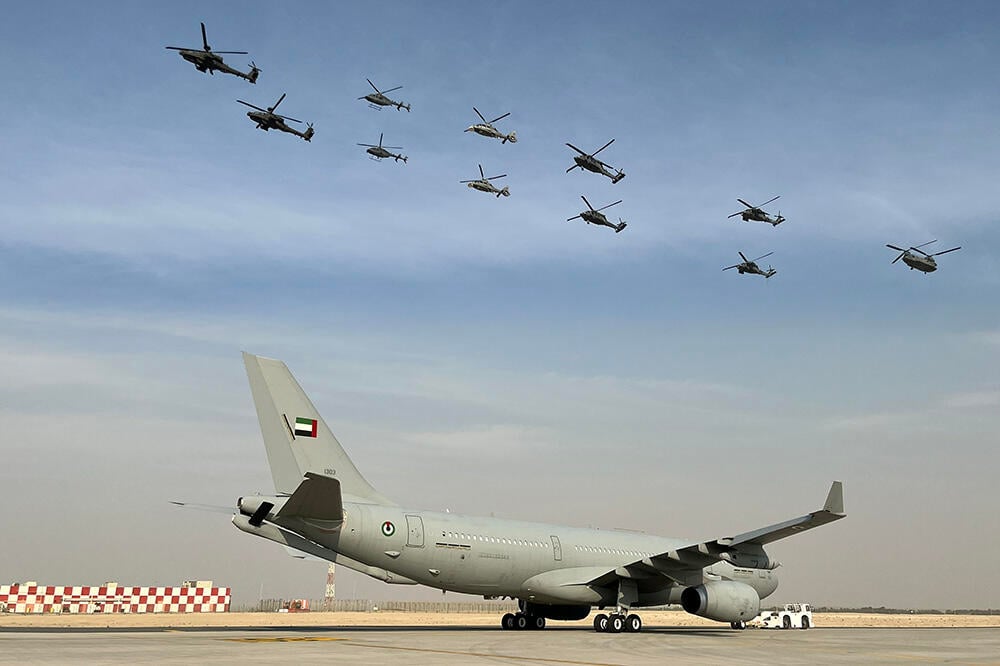
The Dubai Airshow 2025, one of the world’s premier aerospace events, took place from November 17 to 21, 2025, at the Dubai World Central (DWC) – Dubai Airshow Site in Dubai, United Arab Emirates. This biennial event showcased cutting-edge aviation technology, military and commercial aircraft, and fostered global partnerships. It attracted a record 248,788 visitors from across the globe, with over 1,500 exhibitors representing 115 different nations. The airshow set a historic benchmark with deals totaling over $202 billion, doubling the $101 billion from 2023, emphasizing Dubai’s role as a global aviation hub.
Organized in collaboration with the Dubai Civil Aviation Authority, Dubai Airports, and the UAE Armed Forces, the event highlighted themes like sustainability, advanced air mobility, AI-driven innovations, and space exploration. Key discussions included sustainable aviation fuels (SAF), electric propulsion, autonomous flight, and regulatory frameworks for urban air mobility (e.g., vertiports and VTOL aircraft). The airshow featured over 219 aircraft on static and aerial displays, including fighter jets, widebody commercial planes, and pioneering eVTOLs. Notable displays included China’s COMAC C919 and C909, Boeing’s 777-9, and advanced drones.

Key Highlights and Innovations
- Aerial Program: Day 4 featured dynamic flying displays with fighter jets (e.g., UAE F-16s, Russian Su-35s), widebody aircraft, and advanced air mobility demos, showcasing precision maneuvers and next-gen capabilities.
- Sustainability Focus: Panels on SAF, electric systems, and AI for air traffic management; Joby Aviation announced plans for 25 U.S. vertiports.
- Geopolitical and Market Insights: Discussions on aircraft delivery delays, competition from China’s sector, engine reliability (e.g., incidents with Delta and United), and spare parts shortages.
- Spotlight on Emirates’ History: The event celebrated the UAE’s aviation legacy, from early pearling trade routes to modern hubs like DXB.
- Other Notables: Enhanced business class innovations (e.g., Qatar Airways Qsuite, Etihad’s A321LR seats), Rolls-Royce’s potential India engine hub, and Toyota’s involvement in mobility tech.
Major Deals and “Winners” (Key Orders and Commitments)
While the airshow isn’t a traditional competition with “winners,” success is measured by deals secured. Airbus emerged as a leader with over 230 aircraft commitments, followed by Boeing with 150+. Total deals hit $202B, focusing on commercial jets, helicopters, and freighters. No major defense procurements were announced. Here’s a breakdown:
| Manufacturer | Key Deals/Commitments | Airline/Entity | Aircraft Type & Quantity | Value/Notes |
|---|---|---|---|---|
| Airbus (Leading “Winner” with 230+ units) | Up to 150 A321neo family (MoU); 16 firm widebodies (6 A330-900, 7 A350-1000, 3 A350F); Leasing of 13 more. | flydubai; Etihad Airways | A321neo, A330-900, A350-1000/F | Strategic expansion; MoU valued at billions. |
| Airbus | Up to 40 A350-900 (MoU); 6 A350-900 firm + 2 leased. | Air Europa; Ethiopian Airlines | A350-900 | Focus on long-haul efficiency. |
| Airbus | 8 A350-900 firm; 2 A350F firm; 6 A321neo (lessor); 10 A320neo (MoU); 25 A321s + 25 options. | Emirates; Silk Way West; Uzbekistan Airways; Buraq Air; Air Astana | A350-900/F, A321neo, A320neo | Cargo and passenger growth. |
| Airbus Helicopters | 10 H225M firm; Up to 5 H160 (lease). | Morocco; Bristow Group | H225M, H160 | Military and commercial rotorcraft. |
| Boeing (Strong Performer with 150+ units) | 65 777-9 firm (largest single deal); Support for 777-10 study. | Emirates | 777-9 | $38B list price; Backlog to 270 777X. |
| Boeing | 11 737-8 firm; 9 737 MAX 8 agreement; 15 787 firm + 3 options; 75 737 MAX (MoU) + 75 options; 5 leased MAX/NG. | Ethiopian Airlines; Air Senegal; Gulf Air; flydubai; FlySafair (via AerCap) | 737-8/MAX, 787 | Narrowbody and widebody focus; African market entry. |
| Embraer | 4 E175 firm + 8 rights. | Air Côte d’Ivoire | E175 | Regional connectivity win. |
| De Havilland Canada | Up to 10 DHC-6 Twin Otter 300-G (LoI). | IndiaOne Air | DHC-6 Twin Otter | Utility aircraft for remote ops. |
Ethiopian Airlines and Emirates were prominent “pro” (prominent) buyers, with Emirates’ $38B Boeing order as a standout. No formal awards were detailed, but Airbus “dominated” orders on Day 2.
Participating Countries and Prominent Nations
Over 115 countries participated, a record high, reflecting global collaboration. While a full exhaustive list isn’t publicly available, prominent and mentioned countries include:
- Host/Prominent: United Arab Emirates (UAE) – Organizer and major buyer (e.g., Emirates, Etihad).
- Key Participants: United States (Boeing, Lockheed Martin, NASA, U.S. Air Force/Army), Brazil (Embraer), Canada (De Havilland), Mexico, Japan, France (Airbus, Safran, Air France), Egypt, Italy, China (COMAC), Australia, Austria, Azerbaijan, Bahrain, Belgium, Czech Republic, Finland, Germany, Greece, Hong Kong, Hungary.
- Others (from 98+ noted): India (IndiGo, Rolls-Royce hub), Morocco, Uzbekistan, Ethiopia, Senegal, Côte d’Ivoire, Spain (Air Europa), Libya (Buraq Air), Kazakhstan (Air Astana), Azerbaijan (Silk Way West), South Africa (FlySafair), Kenya (multiple airlines like Jambojet), Turkey (Turkish Airlines), Qatar (Qatar Airways), Saudi Arabia (Saudia), Singapore (Singapore Airlines), Indonesia (AirAsia).
These nations showcased innovations, with the U.S. and Europe leading in military/tech, Asia in emerging markets, and Africa in regional growth.
Tourism in Dubai: Must-Visit Attractions
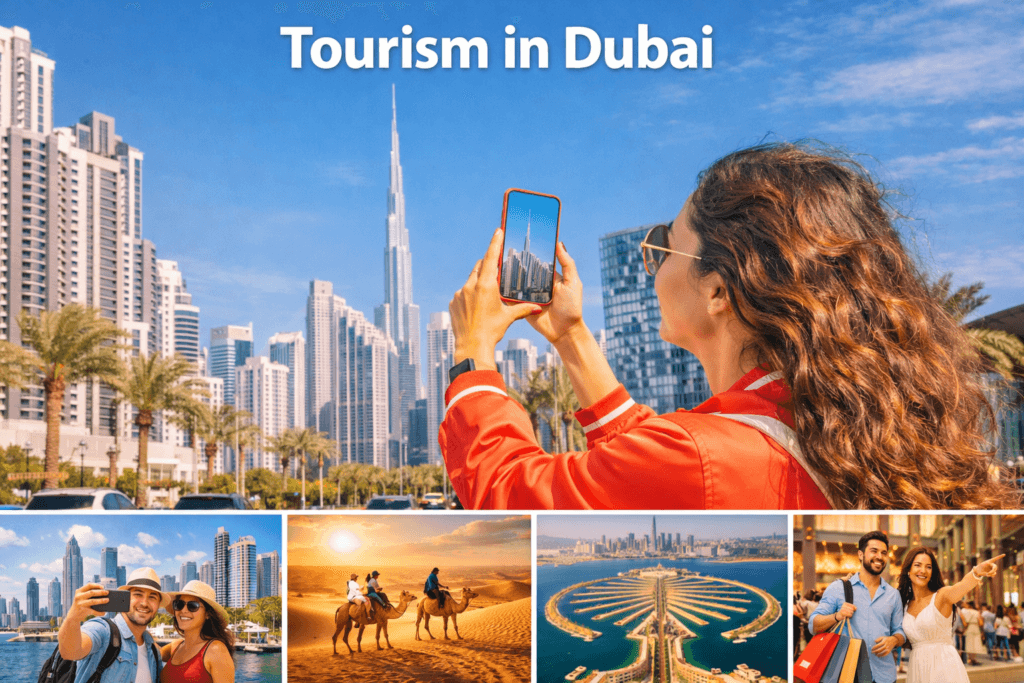
Tourism in Dubai boomed in 2024 with 17 million visitors, projected at 20 million in 2025. Must-visits: Dubai Mall (world’s largest, 1,200 stores, aquarium); Burj Khalifa (views from 828m); Jumeirah Beach Residence (JBR) for beaches and dining; Gold and Spice Souks for bargaining; over 70 malls like Mall of the Emirates with ski slopes.
New 2025 attractions: Museum of the Future and Ain Dubai Ferris wheel. Tips: Visit in winter, use the Dubai Pass for discounts.
Buying Property in Dubai: Guide for Expats
Expats have been able to buy freehold property since 2002 in areas like Dubai Marina, Downtown, and Palm Jumeirah. Down payments: 20-25% for residents, 35-40% for non-residents. Mortgages up to 75-80% for residents, with interest rates of 4-5%. Check DLD registration, developer reputation. Investments over AED 2M qualify for the Golden Visa. ZameenInfo.com lists options.
Looking to Buy?
| Property for sale in Dubai | Flats for sale in Dubai |
| Studio for sale in the UAE | Villas for sale in Dubai |
| Room for sale in Dubai | Apartments for sale in Dubai |
Renting in Dubai: Tips and Common Questions
Rents in 2025 average AED 100,000/year for a 1BHK in Dubai Marina. Tips: Budget for 5% security deposit, 5% agency commission, and an AED 195 Ejari fee. Utilities (DEWA) are often separated. Avoid mistakes: Review leases, use Ejari Pay for monthly payments (AED 25 fee). ZameenInfo.com guides for areas.
Looking to Rent?
| Property for rent in Dubai | Flat for rent in Dubai |
| Room for rent in Dubai | Apartments for rent in Dubai |
| Villas for sale in Dubai | Studio for sale in Dubai |
Real Estate Trends in Dubai 2025
Q3 2025 sales hit AED 170.7B, up 36.5%, with 59,228 transactions. Off-plan 65-72%, mid-range focus, prices AED 1,100-1,400/sq ft. Industrial growth in Jebel Ali. Villas up 32% to AED 5.2M. ZameenInfo.com tracks.
| Trend | Details |
|---|---|
| Sales Volume | 148,000 YTD |
| Off-Plan Share | 65-72% |
| Price Growth | 8% overall |
| Key Segments | Villas +10%, Apartments +6% |
Living in Dubai: Cost of Living and Salaries
Average salary AED 15,700/month. Cost: Singles AED 5,000-10,000; families 20,000-40,000. Rent AED 5,000 (1BHK), food AED 1,000, transport AED 500. Is AED 5,000 good? Tight for expats, covers basics but no savings. Comfortable at 15,000+.
Future of Dubai: Upcoming Developments
The Dubai 2040 Plan focuses on sustainability, doubling green spaces, and urban density. Al Maktoum Airport expansion to 160M passengers. Waste-to-energy plants like Warsan will power 135,000 homes. Other: Blue Line Metro, smart city tech.
Rules and Etiquette for Visitors
Respect modesty: Cover shoulders/knees in public. No PDA. Alcohol in licensed venues only. No drugs. During Ramadan, no eating in public during the day. Photograph with permission. Follow traffic laws, avoid swearing.
FAQs
Dubai welcomes millions of tourists annually with its blend of modernity and tradition. Understanding local laws and customs ensures a smooth visit. Below are detailed answers to common queries, based on current guidelines from official sources and reliable travel advisories.
What are the 10 key rules in Dubai for tourists?
Dubai is tolerant but rooted in Islamic values. Respect local customs to avoid fines, warnings, or legal issues. Here are the top 10 essential rules for 2025:
- Dress modestly in public. Cover shoulders and knees, especially in malls, souks, and religious sites. Swimwear is fine at beaches/pools, but cover up when leaving.
- Avoid public displays of affection (PDA). No kissing, hugging, or holding hands in public; even married couples should be discreet.
- Consume alcohol only in licensed venuesBars, hotels, and clubs only. Public intoxication or drinking outside these areas is illegal.
- Respect Ramadan observances eating, drinking, or smoking in public during daylight hours. Dress more conservatively and avoid loud music.
- Zero tolerance for drugs. Even prescription meds may need approval; check banned lists and carry prescriptions.
- Ask permission before photographing people, especially women and children; avoid military/government sites altogether.
- No swearing or rude gestures. Offensive language, arguments, or gestures can lead to fines or arrest.
- Follow traffic and safety rules, Zero-tolerance drink-driving, queue properly, and obey security.
- Remove shoes when entering homes/mosques. Common courtesy in private spaces.
- Respect privacy and avoid unsolicited interactions. Don’t accept drinks from strangers or engage in aggressive behavior.
These rules promote harmony in a multicultural city. Violations can result in fines (AED 500–50,000), deportation, or jail.
What are the 7 emirates of the UAE in order?
Dubai is one emirates in the United Arab Emirates (UAE), a federation of seven emirates formed in 1971. Listed by size (largest to smallest):
- Abu Dhabi (capital and largest, ~87% of UAE land).
- Dubai (the most populous city).
- Sharjah (cultural hub).
- Ajman (the smallest by area).
- Umm Al Quwain.
- Ras Al Khaimah (mountainous north).
- Fujairah (east coast, only on the Gulf of Oman).
Each has its own ruler, but they unite under federal leadership.
Is Dubai a country or a city?
Dubai is both a city and an emirate (like a state/province) within the United Arab Emirates (UAE), a sovereign country. It’s not an independent nation; the UAE’s capital is Abu Dhabi. Often called “Dubai city” to distinguish the urban area from the broader emirate.
Is 5000 AED a good salary in Dubai?
For 2025, AED 5,000 monthly is entry-level and tight for comfortable living, especially for experienced expats. It’s survivable for singles/fresh graduates with shared accommodation, public transport, and minimal dining out (basic costs: rent AED 2,000–3,000 shared, food/transport AED 1,500–2,000).
- Pros: Covers essentials; possible small savings if frugal.
- Cons: Little room for luxuries, emergencies, or family support. The average Dubai salary is AED 15,000–16,500.
- Better thresholds: AED 10,000+ for comfort; 15,000+ for savings/lifestyle.
Many on low salaries share housing in areas like International City.
Can expats buy property in Dubai?
Yes, since 2002, expats and foreigners can buy freehold property in designated areas (e.g., Dubai Marina, Downtown, Palm Jumeirah). Full ownership includes the unit and land.
- Investments over AED 2 million qualify for a 10-year Golden Visa.
- Mortgages available (up to 75–80% for residents).
- Check ZameenInfo.com for listings and guides.
Leasehold options (up to 99 years) also exist.
What’s the best area for renting in Dubai?
Best depends on budget, lifestyle, and family needs (2025 trends favor family-friendly or affordable spots amid rising rents):
- Luxury/vibrant: Dubai Marina or Downtown Dubai (waterfront views, nightlife; 1BHK AED 100,000+ annually).
- Family-oriented: Dubai Hills Estate or Arabian Ranches (parks, schools, villas).
- Affordable: Jumeirah Village Circle (JVC), Dubai Silicon Oasis, or International City (studios/1BHK AED 40,000–70,000).
- Business/central: Business Bay.
Conclusion
Dubai’s captivating blend of rich history from its pearling roots in the 18th century to oil-fueled growth post-1966 meets cutting-edge innovation, like the Burj Khalifa (828m) and the sustainable Dubai 2040 Plan, aiming for 25% green energy by 2030. This evolution offers unparalleled opportunities: a booming economy with 4.4% GDP growth in H1 2025, attracting 9.88 million tourists in the same period, and a real estate market surging 36.5% in Q3 sales (AED 170.7B). Whether for tourism, with icons like Dubai Mall or JBR beaches, or relocation, expats enjoy tax-free salaries averaging AED 15,700/month and diverse communities (85% expatriates).