
 by zameeninfo.com
Introduction
China is one of the most dynamic real estate markets in the world, offering a wide variety of apartments for rent. Whether you’re moving for work, study, or lifestyle, cities like Beijing, Shanghai, Guangzhou, and Shenzhen offer everything from affordable student housing to luxury serviced apartments. In this guide, we break down the features, price ranges, and important tips for renting in China.
Thank you for reading this post, don't forget to subscribe!1. Overview of Apartments for Rent in China
The rental market in China is massive, with millions of people renting each year due to the country’s fast-paced urban lifestyle. Apartments range from budget-friendly studios to luxury penthouses in global business hubs like Beijing and Shanghai.

2. Why Choose Apartments for Rent in China?
Renting is often more practical than buying property in China, especially for expats and students. Flexibility, cost savings, and the ability to live in central city districts make apartments for rent a smart choice for many.
3. Key Features of Apartments in China
Most modern apartments in China include:
- 24/7 security and gated access
- Modern interiors with air conditioning and heating
- High-speed internet connectivity
- Proximity to metro lines and public transport
4. Types of Apartments for Rent in China
Studio Apartments
Affordable and ideal for students or single professionals.
One-Bedroom Units
Spacious layouts with separate living areas.
Family Apartments (2–3 Bedrooms)
Popular among families looking for long-term rentals.
Serviced Apartments
Fully furnished with hotel-like amenities, often preferred by expats.
5. Price Range of Apartments in China (2025)
Beijing Apartments
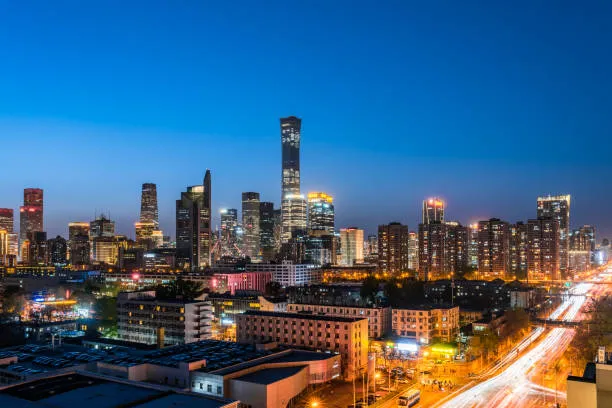
- Budget options: RMB 4,000–6,000 per month
- Mid-range: RMB 7,000–12,000 per month
- Luxury units: RMB 15,000–30,000 per month
See more: Cheap Apartments for Rent in Beijing.
Shanghai Apartments

- Affordable: RMB 5,000–8,000 per month
- Standard expat apartments: RMB 10,000–18,000 per month
- Premium serviced units: RMB 20,000+ per month
Explore: Affordable Apartments for Rent in Shanghai.
Guangzhou & Shenzhen Apartments
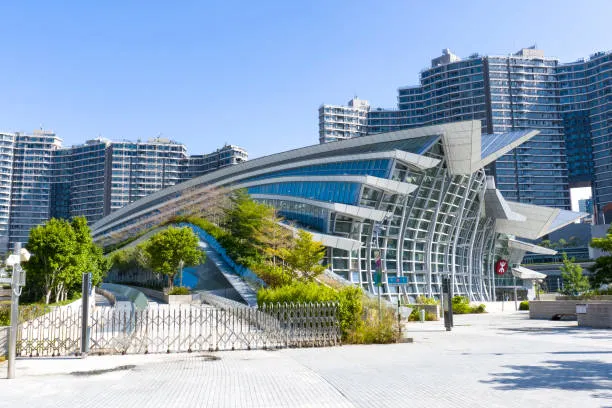
- Average: RMB 4,500–9,000 per month
- High-end: RMB 12,000–20,000 per month
6. Factors Influencing Rent Prices
- Location (central districts cost more)
- Size and layout of the apartment
- Furnishing and included amenities
- Proximity to international schools and business hubs
7. Furnished vs. Unfurnished Apartments
In China, most apartments for rent come fully furnished with basic appliances such as air conditioning, refrigerators, washing machines, and beds. This makes them ideal for students, short-term visitors, or expats who want a quick move-in option. However, tenants planning long-term stays often prefer unfurnished units so they can design the space to suit their lifestyle. Choosing between furnished and unfurnished depends on your budget, duration of stay, and personal needs.
8. Short-Term vs. Long-Term Rentals
Short-term rentals in China, often available for 1–6 months, usually come in the form of serviced apartments with flexible contracts. These are perfect for business travelers or exchange students who need convenience without long commitments. Long-term rentals, typically signed for 12 months or more, provide much better value with lower monthly rates. Expats and families often choose long-term leases as they offer financial stability and stronger legal protection.
9. Popular Cities for Renting Apartments in China
China’s major cities all offer distinct rental markets. Beijing is the cultural and political capital, attracting diplomats and professionals. Shanghai is the business and financial hub, known for luxury apartments with global appeal. Shenzhen is China’s tech powerhouse, offering modern, high-rise living close to innovation hubs. Guangzhou provides more affordable apartments for rent compared to other Tier-1 cities, making it a favorite for budget-conscious tenants.
10. Renting in Beijing – What to Expect
Beijing offers a wide variety of apartments for rent, from traditional hutong-style flats to luxury penthouses in skyscrapers. Popular expat districts like Sanlitun, Wangjing, and Chaoyang feature modern amenities, international schools, and easy metro access. While rental prices in central Beijing are high, suburban areas provide more affordable options. Tenants in Beijing benefit from a mix of historic charm and cutting-edge urban living.
11. Renting in Shanghai – Lifestyle and Prices
Shanghai’s skyline defines modern China, and its rental market matches the city’s international vibe. Apartments for rent in areas like Jing’an, Xuhui, and Pudong cater to both business professionals and families. Prices range from affordable mid-range units to ultra-luxury serviced apartments. Tenants can expect world-class amenities, easy transport, and access to top dining and entertainment, making Shanghai one of the most attractive cities for expats.
12. Renting in Shenzhen – Tech City Living
As China’s Silicon Valley, Shenzhen offers a futuristic lifestyle with modern apartments located close to global tech firms and startups. Expats often prefer neighborhoods like Nanshan and Futian for their high-rise apartments for rent with advanced amenities. Rental prices here are lower than in Beijing or Shanghai but rising quickly due to growing demand. Shenzhen is ideal for young professionals and entrepreneurs who want a fast-paced, tech-driven environment.
13. Renting in Guangzhou – Affordable Big City Option
Guangzhou combines affordability with metropolitan living, making it a great alternative to Beijing and Shanghai. Popular districts like Tianhe and Zhujiang New Town feature affordable yet modern apartments for rent with access to schools, shopping malls, and metro lines. Rents are generally lower, attracting both locals and expats looking for value without sacrificing city conveniences. Guangzhou also benefits from its international trade connections and vibrant cultural scene.
14. Student Apartments in China
China is home to thousands of international students each year, creating strong demand for student-friendly apartments for rent. While many universities provide dormitories, private apartments near campuses are popular for added comfort and independence. Affordable studios and shared apartments are available in university districts across Beijing, Shanghai, and Guangzhou. These housing options often come with furnished rooms, study areas, and proximity to public transport.
15. Luxury Apartments for Expats
Expats seeking high-end living often choose luxury serviced apartments in city centers. These apartments for rent come fully furnished and include premium services such as housekeeping, gyms, pools, and 24/7 concierge support. Locations like Lujiazui in Shanghai or CBD Beijing offer some of the most exclusive rental units in China. While the prices are significantly higher, the convenience and comfort make them a preferred option for executives and diplomats.
16. Average Cost of Utilities in China
In addition to rent, tenants should budget for utilities such as water, electricity, gas, and internet. For a medium-sized apartment, costs typically range between RMB 500–1,000 per month. Serviced apartments may include utilities in the rent, while standard leases require tenants to pay bills separately. Understanding these costs is essential when comparing apartments for rent in different Chinese cities.
17. Security & Safety Features
Modern apartment complexes in China prioritize safety, with features like gated entrances, CCTV surveillance, and 24/7 on-site security staff. Many buildings also use electronic access cards or fingerprint systems for added protection. Expat-focused communities often include secure parking and monitored common areas. Choosing apartments for rent in well-managed complexes ensures a safe and peaceful living environment.
18. Connectivity & Transportation
One of the biggest advantages of renting in Chinese cities is access to world-class public transport. Metro systems in Beijing, Shanghai, Guangzhou, and Shenzhen are extensive, affordable, and reliable. Apartments for rent near metro stations are in high demand and often command higher rents. For expats, choosing locations with convenient transportation ensures easy commuting and access to schools, offices, and shopping centers.
19. Apartment Size Standards in China
The size of apartments for rent in China varies widely depending on location and budget. Studios typically start at 40 square meters, while 2- to 3-bedroom units range from 80–150 sqm. Luxury penthouses can exceed 200 sqm with expansive layouts and panoramic views. Tenants should carefully evaluate square footage to ensure the apartment meets their lifestyle needs before signing a lease.
20. Pet-Friendly Apartments
Not all landlords in China allow pets, so renters should confirm policies before committing. In larger cities, more modern apartment complexes are becoming pet-friendly, especially in expat areas. Some may require an additional deposit or cleaning fee for tenants with pets. If having a pet is important, prioritize apartments for rent in neighborhoods with nearby parks or green spaces.
21. Rental Contracts & Deposits
Rental agreements in China usually require one month’s rent upfront plus two months’ deposit. Contracts are commonly signed for 12 months, though shorter leases are possible in serviced apartments. Deposits are refundable upon lease completion if no damages occur. Always ensure that terms, conditions, and responsibilities are clearly stated in the contract before finalizing any apartment for rent.
22. Language Barriers in Rental Agreements
Most rental contracts in China are written in Mandarin, which can be a challenge for foreign tenants. Hiring a translator, using a bilingual agent, or requesting an English version of the agreement is highly recommended. Misunderstandings about clauses or hidden fees can be costly. To avoid issues, always review the terms carefully before committing to apartments for rent.
23. Role of Real Estate Agents
Real estate agents play an important role in finding apartments for rent in China, especially for expats unfamiliar with the local market. Agents help with property viewings, negotiating prices, and preparing contracts. While they charge a commission (usually one month’s rent), the convenience and expertise they provide often outweigh the cost. Choosing licensed and experienced agents ensures a smoother rental process.
24. Payment Methods for Rent
In China, most landlords prefer rent to be paid via local bank transfers. However, mobile payment platforms like Alipay and WeChat Pay are also widely accepted. Cash payments are rare, especially for higher-priced apartments for rent in big cities. Tenants should always request official receipts to confirm transactions and protect their rental agreements.
25. Subletting Rules in China
Subletting apartments in China is generally restricted unless explicitly allowed in the contract. Unauthorized subletting can result in eviction or loss of deposit. If you plan to sublet, it’s important to get written permission from the landlord. For expats, choosing serviced apartments for rent is often a better option if flexibility is needed.
26. Hidden Costs to Watch Out For
While rental listings often highlight only the monthly rent, tenants should budget for hidden costs such as property management fees, utilities, and maintenance charges. Real estate agent commissions and deposits also add to the upfront cost. When comparing apartments for rent, make sure to calculate the total monthly expense rather than just the listed price.
27. Tips for Foreigners Renting Apartments in China
Foreigners should follow a few key steps when renting in China. Always confirm that your lease can be registered with the local Public Security Bureau (PSB), as this is legally required. Use verified portals and reputable agents to avoid scams. Finally, never hand over money without a signed contract and proper documentation. These tips ensure a safe and legal rental experience.
28. Popular Neighborhoods for Expats
Expats in China often choose neighborhoods with international schools, modern facilities, and strong communities. In Beijing, popular areas include Sanlitun, CBD, and Wangjing. In Shanghai, Jing’an, Pudong, and Xuhui are top choices. In Shenzhen, Nanshan and Futian attract professionals. In Guangzhou, Tianhe and Zhujiang New Town are favored for their convenience and affordability. These neighborhoods offer a wide range of apartments for rent tailored to expat needs.
29. Online Portals for Apartments for Rent in China
Trusted online portals make apartment hunting much easier. Platforms like Flats and Apartments for Rent in China, Cheap Apartments for Rent in Beijing, and Affordable Apartments for Rent in Shanghai provide updated listings with verified details. Using these portals helps tenants compare prices, view photos, and select the best rental options across China.
30. Future of Renting in China
With rapid urbanization and the rise of young professionals, demand for apartments for rent in China will continue to grow. Tier-1 cities like Beijing and Shanghai will remain expensive, while Tier-2 cities such as Chengdu, Hangzhou, and Suzhou are expected to see increasing rental demand. Flexible rental models, smart apartments, and co-living spaces will also shape the future of China’s housing market.
FAQs
Q1: What is the average rent for apartments in China?
It ranges from RMB 4,000 per month for budget apartments to RMB 30,000+ for luxury ones.
Q2: Are apartments in Beijing expensive?
Yes, Beijing is among the most expensive cities, with rents averaging RMB 7,000–12,000 per month.
Q3: Is Shanghai more expensive than Beijing?
Both are similar, but expat-focused areas in Shanghai can be slightly higher.
Q4: Do landlords accept foreigners?
Yes, but you must register your lease with the local Public Security Bureau.
Q5: How do I pay rent in China?
Bank transfers, WeChat Pay, and Alipay are common.
Q6: Can I rent short-term?
Yes, serviced apartments and Airbnb-style units are widely available.
Q7: Do apartments come furnished?
Most urban apartments are semi- or fully furnished.
Q8: Are utilities included in rent?
Usually not, unless it’s a serviced apartment.
Q9: How much deposit is required?
Typically two months’ rent plus one month upfront.
Q10: Is it safe to rent in China?
Yes, especially in gated communities and expat-focused neighborhoods.
Conclusion
China’s rental market is vast and diverse, offering options for every lifestyle and budget. Whether you’re looking for apartments for rent in Beijing, Shanghai, or emerging cities like Shenzhen and Guangzhou, you’ll find everything from affordable student flats to luxury penthouses. With the right research and the help of trusted platforms like ZameenInfo, securing your next home in China can be straightforward and rewarding.