

 by zameeninfo.com
In 2026, the tiny home movement isn’t just a trend; it is a lifestyle revolution. With housing costs soaring and environmental concerns at the forefront, more Americans are turning to tiny homes for sale as a smart, affordable alternative to traditional housing. Whether you’re a first-time buyer seeking financial freedom, a retiree downsizing, or an eco-conscious family looking for minimalist living, tiny homes offer flexibility, sustainability, and community. This comprehensive guide dives deep into tiny homes for sale in the USA, with a special focus on high-demand areas like California, Arizona, and Phoenix. We’ll cover everything from costs and legality to trends and buying tips, helping you make an informed decision.
As experts at Tiny Life Consulting, we’ve helped countless clients navigate the tiny home market. Our goal is to provide actionable insights that empower you to find the perfect tiny home without the hassle. Let’s explore why tiny homes are booming in 2026 and how you can join the movement.
What Are Tiny Homes?
Tiny homes are compact dwellings typically under 400 square feet, designed for efficiency and simplicity. They come in various forms: on wheels (THOWs), on foundations, or as accessory dwelling units (ADUs). In 2026, these homes blend modern amenities with sustainable features like solar panels and composting toilets.
Unlike traditional RVs or mobile homes, tiny homes emphasize quality craftsmanship and home-like comforts. For instance, many models include full kitchens, bathrooms, and lofts for sleeping. According to recent data, tiny homes account for about 0.36% of the U.S. housing market but are growing rapidly due to affordability.
If you’re searching for tiny homes for sale, options range from DIY kits to fully built models from builders like Pacifica Tiny Homes or Dragon Tiny Homes.
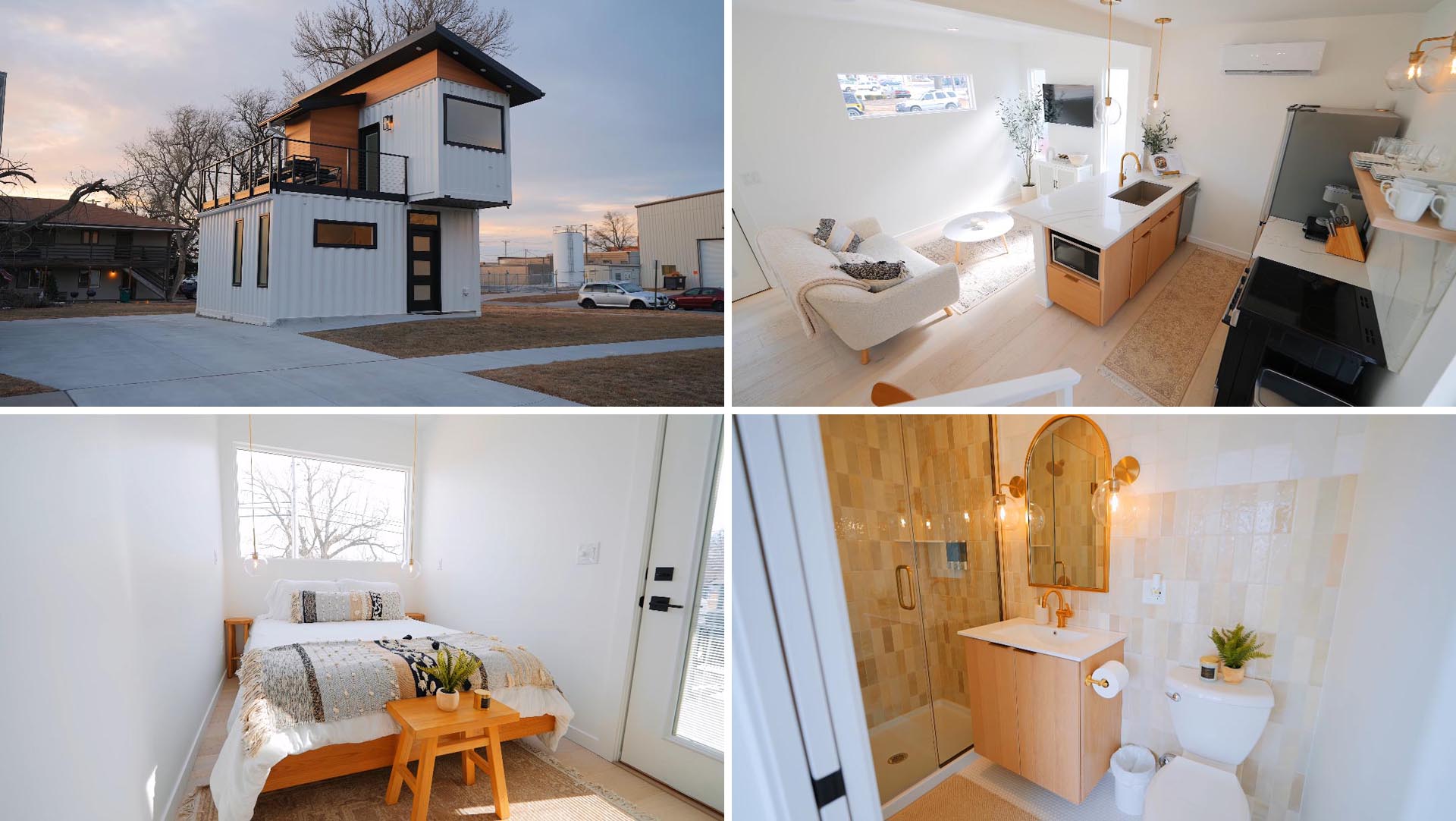
This modern tiny home interior showcases how even small spaces can feel luxurious with smart design.
The Rise of Tiny Living in 2026
By 2026, tiny homes will have evolved from niche to mainstream, driven by economic pressures and sustainability goals. The average U.S. home size has shrunk as people prioritize experiences over square footage. Trends show a surge in prefab builds, smart home integrations, and community villages.
In the USA, searches for tiny homes are soaring in states like Texas, California, and Florida. Factors like remote work and climate change are fueling this growth. For example, luxury tiny homes now feature AI-assisted energy management, making them ideal for off-grid living.
Benefits of Buying a Tiny Home
Opting for a tiny home for sale offers numerous advantages:
- Affordability: Average costs range from $30,000 to $70,000, far below the national home price of $419,200.
- Sustainability: Lower energy use and eco-materials reduce your carbon footprint.
- Mobility: THOWs allow relocation without selling.
- Minimalism: Less stuff means less stress and more freedom.
- Community: Many buyers join tiny home villages for social support.
These benefits make tiny homes appealing for diverse groups, from young professionals to seniors.
Tiny Homes for Sale in the USA
Across the USA, tiny homes for sale are abundant, with marketplaces like Tiny House Listings offering thousands of options. In 2026, inventory includes ready-to-move models from builders like Tiny Mountain Houses and River Ridge Escapes.
Popular features: off-grid capabilities, customizable layouts, and financing options. Whether you’re in the Northeast or Southwest, local regulations vary, but states like Texas and Oregon lead in tiny-home friendliness.
Average Costs of Tiny Homes in the USA
Nationwide, tiny homes cost $30,000 to $70,000 on average, or $150 to $450 per square foot. Factors influencing price include location, materials, and customizations. For example, a basic THOW might start at $30,000, while luxury models exceed $100,000.
In cheaper states, you can find deals under $35,000. Always factor in land, permits, and utilities.
Key Tiny Home Stats in 2026
| Aspect | USA Average | California | Arizona | Phoenix |
|---|---|---|---|---|
| Average Cost | $30,000 – $70,000 | $100 – $600/sq ft ($60,000 – $100,000) | $15,000 – $90,000 | $37,301 – $54,651 |
| Legality | Varies by state; friendly in TX, OR | Legal as ADUs; new laws ease placement | Legal in most counties; ADUs allowed | Allowed min 200 sq ft |
| Cheapest Options | MS ($30,000), NE ($34,000) | Starting at $47,900 (Pacifica) | Starting at $35,000 | Under $50,000 models |
| Trends | Prefab, sustainable | Portable for unhoused aid | Retirement communities | Casitas in backyards |
Cheapest States to Buy Tiny Homes
If you’re hunting for bargains in the tiny home market in 2026, several states stand out for their low average prices, permissive zoning, and affordable land options. Mississippi continues to lead as the most budget-friendly, with average tiny home costs around $30,000—often for basic models on wheels (THOWs) or simple prefab kits that include essentials like a kitchenette and loft bedroom. This affordability stems from minimal building regulations and vast rural areas where land can be purchased for under $2,000 per acre, making it ideal for off-grid setups or first-time buyers looking to escape high housing markets.
Following closely is Nebraska at about $34,000, where you can find custom builds from local outfits like Midwest Tiny Homes, featuring durable materials suited for the plains’ weather. North Dakota offers averages of $34,333, with a focus on energy-efficient designs to handle cold winters—think insulated THOWs with solar add-ons for under $35,000. New Hampshire comes in at $34,950, boasting New England-style cottages that blend seamlessly into forested lots, often with ADU approvals for backyard placements. Rounding out the top five is Kentucky at $35,000, where Appalachian-inspired modular homes are popular, complete with porches and rustic finishes, supported by easy zoning for primary dwellings.
These states shine due to lax zoning laws that allow tiny homes as full-time residences without extensive permits, plus low land costs averaging $3,000-$5,000 per acre in rural spots. In contrast, California’s average of $74,917 reflects higher material and labor costs, plus stricter seismic standards, underscoring why budget hunters flock to these affordable havens. For first-page ranking tips: Search for “cheapest states for tiny homes 2026” often highlights these due to updated affordability indexes and community forums like Reddit discussions on land buys.
Tiny Homes Overview in Key States (2026 Data)
| Location | Average Cost Range | Popular Models | Legality Highlights | Best Areas | Key Trends |
|---|---|---|---|---|---|
| Mississippi (Cheapest Overall) | $25,000 – $35,000 | Basic THOWs, prefab kits from local builders | Highly permissive zoning; ADUs and off-grid allowed | Rural areas like Jackson or Gulfport for low land costs | Louisville or the Lexington areas |
| Nebraska | $30,000 – $38,000 | Custom builds from Midwest Tiny Homes | Lax regulations; tiny homes as primary dwellings | Omaha suburbs or rural counties | Affordable land; emphasis on sustainable farming integrations |
| North Dakota | $32,000 – $37,000 | Oil field-inspired durable models | Friendly for ADUs; no strict size minimums | Fargo or Bismarck outskirts | Boom in energy-efficient designs due to harsh winters |
| New Hampshire | $32,000 – $38,000 | New England-style cottages | Permissive in rural zones; ADU incentives | Manchester or Lakes Region | Eco-tourism focus; seasonal tiny home rentals popular |
| Kentucky | $30,000 – $40,000 | Appalachian modular homes | Easy zoning for tiny homes on foundations | Affordable for retirees; community villages are emerging | Pima County, Sedona, for desert living |
| California | $60,000 – $100,000 ($100-$600/sq ft) | Bay Cottage ($47,900 from Pacifica), Tiny Victorian, D Series from RiseCon | Legal as ADUs/JADUs; 2026 exemptions for small units under 500 sq ft | Los Angeles (urban ADUs), San Diego (villages), Fresno (permanent setups) | Earthquake-resistant prefab; incentives for unhoused solutions |
| Arizona | $35,000 – $90,000 | Phoenix Tiny Home ($35,000 from Phoenix Park Models), Aspen from Great Lakes | ADUs/casitas allowed statewide; min 200 sq ft in Phoenix | Up to two ADUs per lot; new casita law eases building | Desert-adapted solar designs; retirement communities |
| Phoenix | $37,000 – $200,000 | Casita Series from Cavco, Sycamore Modular | Up to two ADUs per lot; new casita law eases builds | Backyard setups in suburbs; 55+ resorts | Rental potential as guest houses; modular under $50k options |
Tiny Homes for Sale in California
California remains a hotspot for tiny homes for sale in 2026, blending innovation with sustainability amid ongoing housing shortages. Leading builders like Pacifica Tiny Homes offer models starting at $47,900, such as the Bay Cottage (a compact 200 sq ft unit with a loft and full bath) and the Tiny Victorian (featuring ornate details and efficient layouts for coastal vibes). Other notable options include Zook Cabins’ park models for under $60,000, RiseCon’s D Series two-bedroom ADUs around $80,000, and Tiny Home Cottages’ luxury movable units with smart tech integrations.
In San Diego, tiny home villages like those from Hope the Mission are expanding to provide affordable housing solutions, with earthquake-resistant designs incorporating reinforced frames and flexible foundations. Builders emphasize eco-features like solar panels and water recycling, perfect for California’s diverse climates, from beaches to mountains. For those searching “tiny homes for sale in California,” marketplaces like Tiny House Listings feature furnished 300 sq ft models in Sacramento for $18,900, often garage-kept and negotiable.
This cozy, tiny home captures the essence of California’s coastal living, with its compact yet inviting design. Costs of Tiny Homes in California
In 2026, building or buying a tiny home in California typically ranges from $60,000 to $100,000, or $100 to $600 per square foot, influenced by location, customizations, and materials. Entry-level prefab models like Pacifica’s start at $47,900, while luxury builds from Tiny Topanga can hit $150,000 with high-end finishes like quartz counters and off-grid systems.
Permits add $1,000 to $5,000, but state incentives for ADUs—such as rebates for energy-efficient builds—can offset up to 20% of costs. In Los Angeles, labor and seismic compliance push prices higher, averaging $80,000 for a 400 sq ft unit, compared to rural areas like Placer County, where you might save 15-20%. Factor in land (urban plots at $100,000+ vs. rural under $50,000) and utilities hookups ($5,000-$10,000). For ranking optimization, queries like “tiny home costs California 2026” prioritize detailed breakdowns with local examples.
Are Tiny Homes Legal in California?
Yes, tiny homes are fully legal in California in 2026, particularly as accessory dwelling units (ADUs) or movable units on wheels. Recent laws streamline approvals, allowing THOWs up to 430 sq ft for highway transport and exempting units under 500 sq ft from certain school impact fees. Junior ADUs (JADUs) within existing homes have no owner-occupancy requirements if they include bathrooms, aligning with 2020 reforms.
New legislation supports portable tiny homes for unhoused populations, with counties like Nevada approving THOWs as permanent housing in residential zones. Always check local zoning—most permit tiny homes in residential areas, but San Diego differentiates city vs. county rules for short-term rentals. For full-time living, ensure compliance with building codes, like utility connections.
Best Places for Tiny Homes in California
Top destinations for tiny homes in California in 2026 include Los Angeles for urban ADUs (easy backyard additions with city incentives), San Diego for emerging communities like Tiny Block in Mount Laguna, and rural Placer County for fewer restrictions and agricultural zoning flexibility.
Other hotspots: Fresno (first to allow permanent backyard tiny homes), Greater Palm Springs’ Paradise Tiny Home Community for eco-friendly lots, and Crescent City’s Tiny Tranquility near redwoods. Villages like Park Delta Bay host 13+ homes with shared amenities. For geo-targeted searches like “tiny homes for sale in California,” focus on these for community vibes and lower costs.
This prefab tiny home exemplifies modern California designs, blending efficiency with style.

Tiny Homes for Sale in Arizona
Arizona’s tiny home market in 2026 offers affordable variety, with models like the Phoenix Tiny Home starting at $35,000 from Phoenix Park Models (8’x27′ with porch) and custom ADUs from DwellWell featuring desert adaptations. Builders such as Great Lakes Tiny Home provide RVIA-certified options like the Aspen for $89,400, while United Tiny Homes delivers in 90 days with financing.
Retirement communities in 55+ resorts like Cal-Am offer 400-800 sq ft units with porches, emphasizing solar and water conservation for arid climates. Listings include the Tiny Cactus in Sedona for $85,900, a modern 192 sq ft home.
This desert tiny home showcases Arizona’s rugged, sustainable style.

Costs of Tiny Homes in Arizona
Prices for tiny homes in Arizona range from $15,000 (basic kits) to $90,000 in 2026, with averages around $50,000 for standard models. In Phoenix, expect $37,000 to $54,000 for entry-level, rising to $200,000 for luxury casitas. Low zoning fees (under $1,000 in many counties) keep it budget-friendly, with add-ons like solar adding $5,000-$10,000.
Are Tiny Homes Legal in Arizona?
Tiny homes are legal across Arizona in 2026, with Pima County leading in progressive regulations allowing ADUs in most zones. Phoenix requires a minimum of 200 sq ft, permitting up to two (or three on large lots) ADUs per property. The new casita law (HB2928) mandates ADU allowances in cities over 75,000, easing builds without local overrides. No statewide codes in rural areas, but THOWs can’t be used as ADUs in places like Mesa.
Tiny Homes for Sale in Phoenix
Phoenix boasts diverse tiny homes for sale in 2026, from under $50,000 models like the Firefly container home to $200,000 casitas such as the Sycamore Modular. Post-2023 laws popularized casitas, with builders like Cavco offering the Casita Series as ADUs. Search “tiny homes for sale in Phoenix” for deals on Zillow or local MLS, including detached casitas in suburbs.
This listing highlights a typical Phoenix tiny home, ready for urban desert life.

Trends in Tiny Home Design for 2026
In 2026, tiny home design is evolving rapidly, blending minimalist luxury with cutting-edge technology and sustainability. The shift away from stark white minimalism toward warmer, moodier interiors is prominent, featuring earthy tones, terracotta tiles, natural materials like wood and stone, and layered textures for a cozy, lived-in feel. Japandi influences, combining Scandinavian simplicity with Japanese minimalism, are popular, emphasizing calm palettes, multifunctional spaces, and intentional harmony where every element serves a purpose.
Minimalist luxury dominates: think high-end finishes in compact layouts, such as quartz counters, smart storage, and sculptural lighting. Movable walls and modular furniture allow flexible reconfiguration, maximizing space in under 400 sq ft homes. Smart tech integration is standard—AI-driven systems for lighting, climate, and security, voice-activated appliances, and compact home automation hubs make daily life seamless.
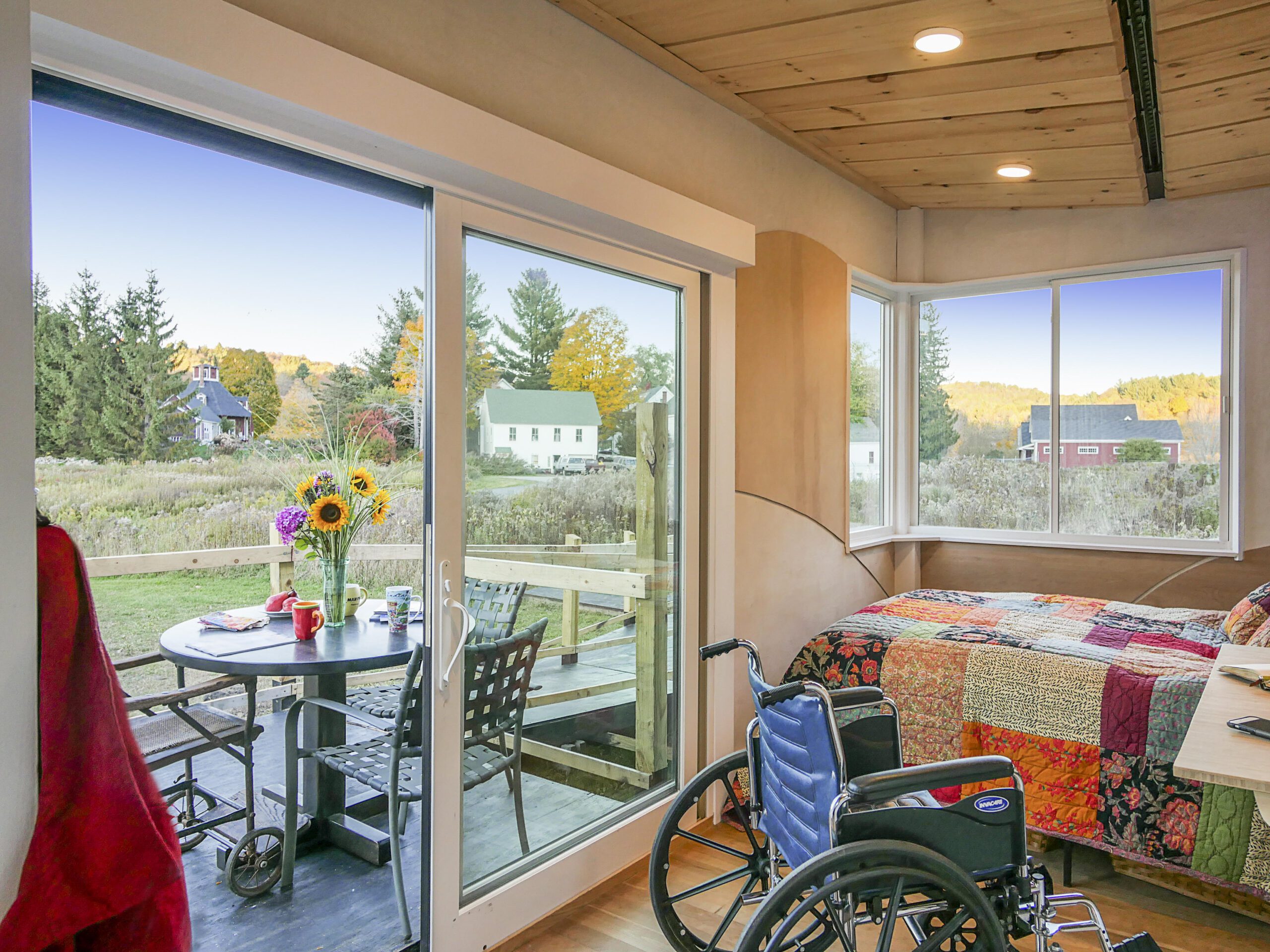
Prefab and modular construction lead the way, with expandable designs (like fold-out structures) and off-site builds reducing time and waste. Senior-focused designs prioritize accessibility: wider doorways, zero-step entries, grab bars, lower counters, and universal design elements for aging in place.
Overall, 2026 trends focus on grounded luxury warm neutrals, tactile materials, bold accents, and tech that enhances rather than overwhelms. Off-grid capabilities and net-zero features tie into broader sustainability goals.
This futuristic tiny home interior captures 2026’s minimalist luxury with smart tech, warm tones, and multifunctional design.
High-End Tiny House Trends: Small Space Living, Strategic Design Solutions & Warm Color Aesthetics
A high-end tiny home showcasing strategic small-space solutions and moody, layered aesthetics.
2026 Custom Home Interior Ideas & Luxury Design
Modern tiny home interior blending luxury finishes with smart, accessible elements.
How To Select The Style Of Your Tiny Home?
Cutting-edge mini smart house with integrated tech for 2026 trends.

Prefab modular tiny home under construction, highlighting efficient 2026 building methods.
CES 2025: Inside the $100K Mini Smart House Revolution – CNET
Modular Cabin Homes | Tiny Homes in SC | Westwood Cabins
Senior-friendly tiny home layout with accessible features like wide paths and easy-reach storage.
How to Finance a Tiny Home Purchase
Financing a tiny home in 2026 remains unique compared to traditional mortgages, as most lenders have minimum loan amounts that exceed typical tiny home prices ($30,000–$100,000). However, options have expanded with growing demand.
Common paths include:
- Personal loans → Unsecured, rates 6–36%, terms 1–7 years; flexible but higher interest.
- RV loans → For THOWs (if RVIA-certified), rates 4–8%, terms up to 20 years; often lower rates as secured.
- Builder or manufacturer financing → Many partners offer in-house loans, sometimes wrapping site improvements; convenient, but compare rates.
- Green or eco-loans → Incentives for sustainable builds, like solar-equipped homes, with rebates or lower rates from credit unions.
- Credit unions or specialized lenders → Often more flexible for tiny homes, including foundation models qualifying for mortgages.
In 2026, more lenders will recognize tiny homes as viable, especially ADUs or modular units. Shop around; credit unions frequently offer the best rates. Pre-approval helps when shopping for listings. At Tiny Life Consulting, we connect clients with trusted partners for personalized guidance.
Building vs. Buying a Tiny Home
Deciding between building and buying a tiny home boils down to budget, timeline, skills, and customization needs. Here’s a breakdown for 2026:
Buying a Pre-Built Tiny Home
- Pros — Faster move-in (weeks vs. months), professional quality/warranty, immediate availability, easier financing (often RV or builder loans).
- Cons — Higher cost ($50,000–$150,000+ for new), limited customization, potential compromise on exact wants.
- Cost — $30,000–$100,000 average; used options $20,000–$60,000.
Building Your Own (DIY or Custom)
- Pros — Maximum customization, potential savings (20–50% vs. buying), pride in creation, exact sustainable features.
- Cons — Time-intensive (months to years), requires skills/tools (or hiring pros adds cost), permit hurdles, no warranty.
- Cost — DIY $20,000–$65,000 (materials only); custom with builder $60,000–$150,000. Per sq ft: $100–$300.
In 2026, prefab kits ($10,000–$50,000 shells) bridge the gap to quick assembly with some personalization. Building often saves money long-term but demands patience. Consider hybrids: buy a shell and finish interiors.
Sustainable Features in Modern Tiny Homes
Sustainability is core to tiny living, and in 2026, many achieve net-zero status, producing as much energy as consumed. Key features include:
- Solar panels and battery storage. Roof-integrated systems with Powerwall-like batteries for off-grid power.
- Rainwater harvesting Gutters, filters, and tanks for non-potable use, reducing water bills.
- Energy-efficient appliances, Induction cooktops, mini heat pumps, and LED lighting.
- Composting toilets and greywater systems minimize water/waste impact.
- Eco-materials: recycled insulation, reclaimed wood, low-VOC finishes.
- Passive design: Superior insulation, strategic windows for natural light/ventilation.
These cut utility bills 50–70% (often near $0 off-grid) and lower carbon footprints. Many qualify for green incentives.
Tips for First-Time Tiny Home Buyers
- Research local laws.
- Visit showrooms.
- Budget for land/utilities.
- Consider resale value.
- Consult experts like us at https://tinylifeconsulting.com/tiny-house-for-sale/.
FAQs
How much do tiny houses cost in California?
Tiny houses in California typically cost between $60,000 and $100,000, or $100 to $600 per square foot, depending on size and features. Entry-level models start at around $47,900 from builders like Pacifica.
Are tiny homes legal in California?
Yes, tiny homes are legal in California, particularly as ADUs or movable units under 430 square feet. 2026 laws facilitate faster approvals and portable placements.
What is the cheapest state to buy a tiny house in?
Mississippi is the cheapest state, with average tiny home prices at $30,000. Other affordable options include Nebraska and North Dakota.
Where are tiny homes the cheapest?
Tiny homes are cheapest in rural states like Mississippi, Nebraska, and Kentucky, where averages hover around $30,000-$35,000 due to low land and building costs.
Are tiny homes legal in Arizona?
Yes, tiny homes are legal in Arizona, with flexible zoning in counties like Pima and minimum sizes of 200 square feet in Phoenix.
Can I live in a tiny home full-time?
Absolutely, many do, as long as it meets local residency codes and has utilities.
How do I find land for my tiny home?
Look for rural lots or ADU-friendly properties; sites like Zameeninfo.com offer global inspiration, but focus on U.S. real estate portals.
What maintenance do tiny homes require?
Minimal: annual inspections, roof checks, and system updates for sustainability.
Are tiny homes a good investment?
Yes, with appreciation in friendly states and rental potential as ADUs.
How long does it take to build a tiny home?
2-6 months, depending on custom vs. prefab.
Conclusion
In 2026, tiny homes for sale represent freedom, affordability, and sustainability. From California’s innovative ADUs to Arizona’s desert retreats and Phoenix’s urban casitas, options abound. Whether buying in the USA or locally, prioritize research and expert advice.