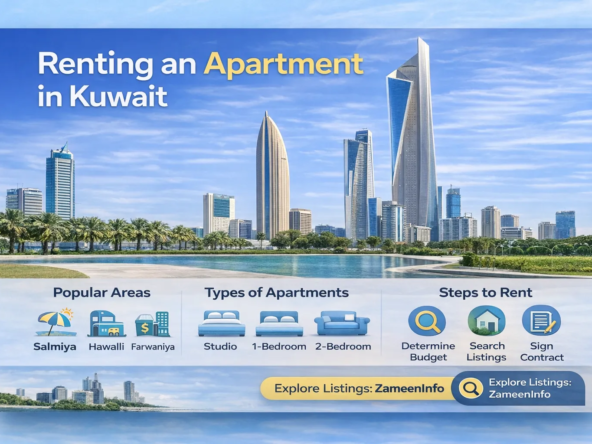

 by zameeninfo.com
Introduction: Why Renting Your First Apartment Feels Overwhelming
Renting an apartment for the first time is a huge milestone. It means independence, freedom, and responsibility—but it also comes with challenges. From understanding leases to budgeting for hidden costs, first-time renters often face confusion and stress. [Sources]
Thank you for reading this post, don't forget to subscribe!This guide is here to make renting your first apartment easier. We’ll walk through every step—budgeting, searching, touring, applying, and moving in—while sharing practical apartment rental tips that landlords won’t always tell you.
Related guide: Top Real Estate Investment Tips for Beginners
Whether you’re a student, young professional, or relocating to a new city, this first apartment guide will help you avoid common mistakes and secure a place you’ll love without breaking your budget.
Step 1: Set a Realistic Budget Before Apartment Hunting
Before searching online or touring apartments, decide how much you can afford.
General rule: Rent should not exceed 30% of your gross monthly income.
For example:
- If you earn $3,500/month before taxes → your rent budget should stay under $1,050.
Additional Costs to Include:
- Utilities: Electricity, water, internet, gas (some included, some not).
- Security deposit: Typically one month’s rent.
- Application fees: $30–$100.
- Renter’s insurance: Around $15–$30/month.
- Moving costs: Truck rental, movers, packing supplies.
Pro Tip: Create a monthly budget spreadsheet and include hidden costs like laundry fees, parking, pet rent, or HOA charges.
Step 2: Decide on Your Must-Haves vs. Nice-to-Haves
Knowing your priorities saves time during the First Apartment hunting process.
Must-Haves:
- Affordable rent
- Safe neighborhood
- Reasonable commute
- Basic appliances (fridge, stove, heating/AC)
Nice-to-Haves:
- In-unit washer/dryer
- Gym or pool
- Pet-friendly policies
- Parking spot
- Balcony or outdoor space
Write down your list and bring it to every apartment tour.
Step 3: Start Apartment Hunting Online and Locally
Now that you know your budget and needs, it’s time to look.
Online Apartment Hunting Guide
- Zillow, zameeninfo.com → national databases.
- Craigslist & Facebook Marketplace → more local deals (but watch for scams).
- Local property management websites → often list apartments not found elsewhere.
Local First Apartment Hunting Tips
- Walk around neighborhoods you like—many landlords still post “For Rent” signs.
- Ask coworkers, classmates, or friends for leads.
- Contact local real estate agents (many help renters, not just buyers).
If you’re renting in New York City, start searching 30–45 days before move-in. In smaller towns like Des Moines, Iowa, you can start earlier (60–90 days).
Step 4: Schedule Apartment Tours and Know What to Look For
When touring, don’t just admire the layout. Inspect the details.
What to Check During a Tour:
- Water pressure: Run faucets and shower.
- Windows & doors: Do they lock properly?
- Noise level: Listen for neighbors, traffic, or trains.
- Cell service: Test your phone inside.
- Safety features: Fire alarms, sprinklers, secure entry.
Bring a checklist and take photos during tours.
Step 5: Understand Lease Agreements Before Signing
Your lease is a legally binding contract. Never skim it—read every detail.
Key Things to Look For:
- Lease length: 12 months, 6 months, or month-to-month?
- Rent increase policy: Can they raise rent during the lease?
- Utilities: Which are included?
- Subletting rules: Can you sublease if you leave early?
- Maintenance: Who handles repairs?
Tip for Beginners: If something seems unclear, ask for clarification in writing.
Step 6: Apply and Get Approved
Most landlords require:
- Completed application form
- Application fee
- Photo ID
- Proof of income (pay stubs, offer letter, tax return)
- References (previous landlords, employers)
Credit Check & Background Check
- Many landlords require a minimum credit score (often 600+).
- If your credit is low, offer a co-signer (parent, relative) or show proof of savings.
Step 7: Pay Deposits and Move-In Costs
Be prepared to pay upfront:
- First month’s rent
- Last month’s rent (sometimes required)
- Security deposit
Always get receipts and ask how your deposit is handled. By law, landlords in many states must return it (minus damages) within 30 days of moving out.
Step 8: Inspect Before Moving In
Do a walk-through with the landlord. Document everything with photos or video.
Check for:
- Stains, cracks, or damage
- Broken appliances
- Missing smoke detectors
- Pests
Submit a written move-in inspection report. This protects your security deposit later.
Step 9: Set Up Utilities and Renter’s Insurance
- Call utility companies to start service (electric, gas, water, internet).
- Buy renter’s insurance—landlords may require it. It protects your belongings in case of theft, fire, or leaks.
Step 10: Move In and Make It Home
Unpack, decorate, and enjoy your new independence.
Tips for Settling In:
- Change locks (if allowed).
- Meet your neighbors.
- Save landlord’s phone number for emergencies.
- Build an emergency kit (flashlight, batteries, first aid).
Apartment Rental Tips for Beginners (Quick Recap)
- Budget realistically (include hidden costs).
- Tour multiple apartments before deciding.
- Never rush into signing a lease.
- Always get agreements in writing.
- Protect yourself with renter’s insurance.
Common Mistakes First-Time Renters Make
- Forgetting about extra fees (utilities, parking, pet rent).
- Signing a lease without reading it.
- Not documenting move-in damage.
- Overestimating how much rent they can afford.
- Falling for scams on Craigslist or Facebook.
Location-Specific Apartment Renting Trends
Apartment rental markets vary across the U.S.:
- New York City: Fast-moving market, brokers often charge fees.
- Los Angeles: Expect parking challenges; many older apartments don’t include AC.
- Chicago: Heat is often included, but ask about winter insulation.
- Austin: New developments mean modern amenities but higher rent.
- Small towns: You may find rentals through local newspapers or community boards.
Voice Search & Featured Snippet Optimized Q&A
How do I rent an apartment for the first time?
Start by creating a budget, researching online listings, touring apartments, applying with required documents, and carefully reviewing your lease before signing.
What should I check before renting an apartment?
Inspect water pressure, locks, noise levels, cell service, and safety features. Always document existing damage before moving in.
When should I start looking for my first apartment?
In big cities, start 30–45 days before your move. In smaller towns, begin 60–90 days out.
How much money do I need to rent my first apartment?
You’ll need first month’s rent, security deposit, and sometimes last month’s rent—usually equal to 2–3 times your monthly rent.
FAQ Section
Q1. What documents do I need to rent an apartment?
Typically: photo ID, proof of income, credit check, and rental references.
Q2. Can I rent an apartment without credit?
Yes. Some landlords accept co-signers, larger deposits, or proof of stable income.
Q3. Should I get renter’s insurance?
Yes. It’s affordable and protects your belongings against theft, fire, or damage.
Q4. How do I avoid rental scams?
Never pay cash, always tour in person, and only deal with verified landlords or property managers.
Q5. How can I lower my rent costs?
Consider roommates, negotiate with landlords, look at less trendy neighborhoods, or rent during off-peak seasons.
Conclusion: Your First Apartment, Made Simple
Renting your first apartment doesn’t have to be stressful. With the right budget, research, and preparation, you can secure a safe, affordable home that fits your lifestyle. Follow this apartment hunting guide, avoid rookie mistakes, and you’ll move in with confidence.