by Amir Iqbal
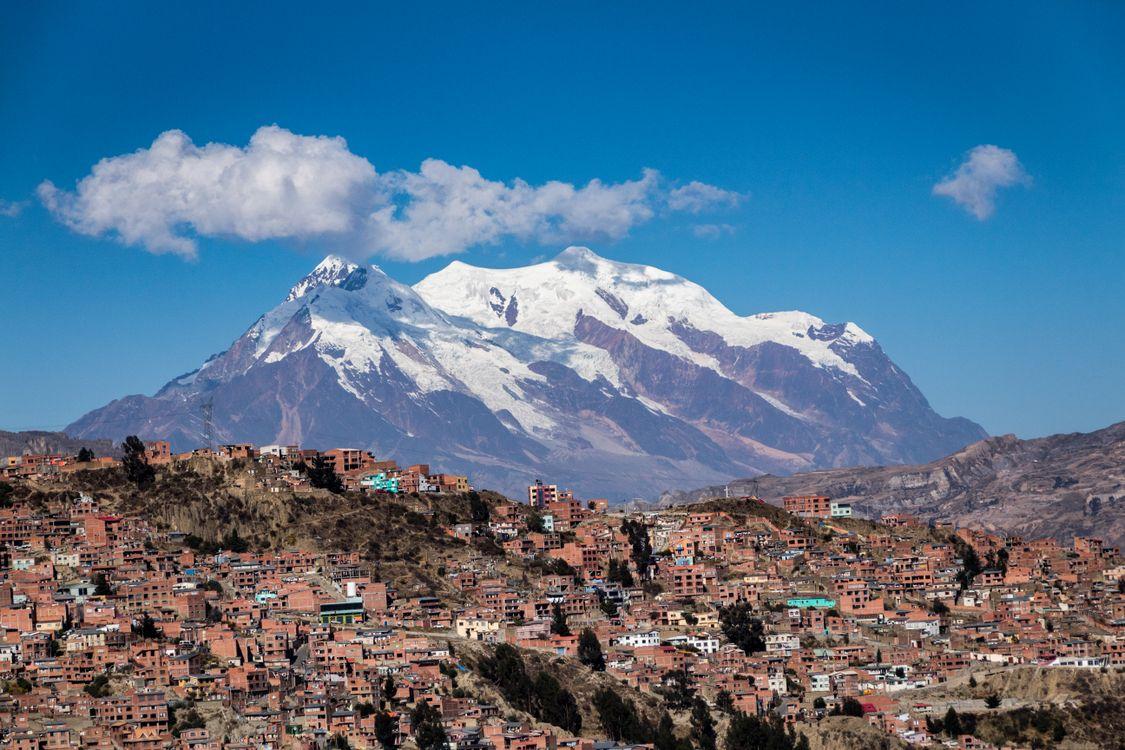
Buying a home in Santa Cruz de la Sierra or La Paz costs far less than a comparable home in most of Latin America, and Bolivia’s tax bill is light by regional standards. The system is simple on paper: one transfer tax when you buy, one annual property tax while you own, a flat effective rate on rent, and a capital gains tax when you sell. The traps are the rules around them: you cannot buy on a tourist visa or near an international border, and two rates in this guide are reported differently by different sources. This guide to property taxes in Bolivia for foreign buyers explains every tax you will meet, says where the sources disagree, and works through a full example so you can budget before you sign.
Two facts shape everything else. First, property in Bolivia is commonly priced in US dollars, while taxes are assessed in bolivianos (BOB) on a cadastral value set by the municipality. This guide uses US dollars throughout, because that is how a foreign buyer sees the price, and it says where the tax is charged on the cadastral value rather than the price. Second, Bolivia taxes only Bolivian-source income, so rent and gains from property inside Bolivia are taxed there, while income from abroad is not. The tax authority is the Servicio de Impuestos Nacionales, the SIN, and the property registry is the Derechos Reales.
Who Can Own Property in Bolivia?
Foreigners can buy urban property in Bolivia on the same terms as Bolivians, in their own name and with full ownership. There is no restriction on foreign ownership of a home or apartment in Santa Cruz, La Paz or Cochabamba, and no higher tax rate for non-residents. The 2009 Constitution does, however, forbid foreigners from acquiring land within 50 kilometres of any international border, a national-security rule with no exceptions, so a rural property near the border with Brazil, Argentina, Chile, Peru or Paraguay is off limits however good the price looks.
There is one more condition that catches buyers by surprise. You cannot buy property on a tourist visa. Bolivian law requires at least a temporary residence permit and a foreigner identity card, the carnet de extranjería, before you can acquire real estate. Sort out your residence status before you start viewing homes, not after you find one. A normal purchase takes about 60 to 90 days from an accepted offer to the registered deed. The key professional is a local lawyer, who checks the title at the Derechos Reales for liens or competing claims. Title problems are the most common expensive mistake in Bolivia, so the title check matters more than any fee.
One-Off Taxes When You Buy
The main tax on purchase is the transfer tax, the Impuesto a las Transacciones, known as the IT. It is charged at 3% on the higher of the sale price or the government’s cadastral value, and it is usually paid by the buyer, although the contract can allocate it differently, so agree who pays it before you sign a preliminary contract. The tax is payable within 10 working days of the deed being executed. Because it is charged on the higher of the two values, a bargain price below the cadastral value does not reduce the tax: the cadastral value sets the floor.
The other buying costs are professional fees rather than taxes, but they are part of the same bill. Notary fees run about 0.5% to 1% of the price, registration at the Derechos Reales about 0.5% to 1%, and legal fees about 1% to 2%. The estate agent’s commission, usually around 3% to 5%, is in principle paid by the seller. Adding the tax and the fees together, sources put the total buying cost for a foreign buyer at roughly 4% to 9% of the price, with about 4.5% as a common figure for a clean cash purchase without an agent’s fee falling on the buyer.
Closing Costs at a Glance
| Charge | Typical range | Who pays |
|---|---|---|
| Transfer tax (IT) | 3% of the higher of the price or cadastral value | Buyer, usually |
| Notary fees | About 0.5% to 1% of the price | Buyer |
| Registration (Derechos Reales) | About 0.5% to 1% of the price | Buyer |
| Legal fees | About 1% to 2% of the price | Buyer |
| Estate agent commission | About 3% to 5% of the price | Seller, in principle |
| Annual property tax (IBI) | Progressive, 0.35% to 1.5% of the fiscal value | Owner, every year |
Of the buying costs, the transfer tax is the only true tax, and the most predictable: 3% on the higher of the price or the cadastral value. The fees around it vary by municipality and lawyer, which is why the total range of 4% to 9% is wide. Get the notary and legal fees in writing before the deed, and ask your lawyer for the cadastral value, since it drives both the transfer tax now and the annual tax later.
The Annual Bill: Impuesto a la Propiedad de Bienes Inmuebles
Once you own the property, you pay an annual property tax, the Impuesto a la Propiedad de Bienes Inmuebles, known as the IBI, to the municipality. The annual tax is the part of property taxes in Bolivia for foreign buyers that varies most from city to city, because each municipality sets its own rates within the national bands. The published range is progressive, from 0.35% to 1.5% of the fiscal value, and in practice most urban homes fall well below the top of that range. One guide puts the typical band at 0.25% to 0.5% of the cadastral value, which shows how much the figure depends on the municipality and the property.
The bill is based on the fiscal or cadastral value, not on the price you paid, and that value is usually below the market price. The tax is due annually, usually in the first quarter of the year, and several municipalities offer a discount for early payment. Because the rate and the value are both set locally, the only reliable figure for a specific home is the one on its current tax bill: ask the seller or your lawyer for the latest IBI receipt before you buy, and check that no years are unpaid, since arrears follow the property rather than the previous owner.
Tax on Rental Income
Rent from a Bolivian property is taxable in Bolivia even if you live abroad. For a non-resident owner, the rule is generous and simple. The law presumes that half of the gross rent represents expenses, so the taxable base is set at 50% of the amount received, without the owner having to list actual expenses. That base is then taxed at the corporate income tax rate of 25%. In other words, the effective rate on gross rent is 12.5% for a non-resident. This is the part of property taxes in Bolivia for foreign buyers that landlords most often get wrong, because the tax is withheld at source by the tenant, who remits it directly to the authorities, and the owner simply receives the net amount.
That withholding is a final tax for a non-resident, so there is no annual reconciliation to file for that rent. Two qualifications matter. First, the rental of real estate can also attract value added tax, IVA, at 13% on commercial rental operations, so confirm whether your let counts as commercial. Second, residents and owners who hold through a company can face different regimes, and one guide reports a simplified regime at an effective rate of about 13%. For an ordinary non-resident letting a home, the 12.5% effective rate withheld by the tenant is the figure to budget.
Capital Gains Tax When You Sell
Bolivia taxes the gain when you sell, but the rate is one of the points where sources disagree, and this guide reports both figures rather than picking one. One set of guides puts capital gains on real estate at 25%, under the income tax on companies and non-residents, while another puts it at the standard individual income tax rate of 13%. The gain itself is the sale price minus the purchase price, adjusted for inflation using the SIN’s official factors, so a property that only kept pace with inflation produces a smaller taxable gain.
Until the two rates are settled for your own situation, budget on the higher figure, 25%, and treat 13% as the best case. There are also reports of exemptions for a primary residence, but the conditions are not spelled out consistently, so do not rely on one unless a Bolivian tax adviser confirms it. Keep every receipt for improvements and every tax receipt from the purchase, since documented spending reduces the gain.
Inheritance and Passing Property On
Bolivia levies an inheritance tax on property passing to heirs, reported at around 1% for spouses, parents and children. That is low by international standards, but the figure comes from a single guide rather than the tax authority, so confirm the current rate with a local notary before you plan around it. A will valid under Bolivian law makes the succession process simpler.
Worked Example: A Santa Cruz Apartment
To see how property taxes in Bolivia for foreign buyers add up in practice, suppose you buy an apartment in Santa Cruz for USD 100,000 and let it out. The cadastral value is USD 80,000, below the market price, which is normal, and this gap is an assumption for this example. Your own property’s cadastral value will be printed on its tax bills.
First, the one-off buying costs. The transfer tax is 3% of the higher of the price and the cadastral value, so 3% of USD 100,000 is USD 3,000. The notary charges 0.75% of the price, which is USD 750, and registration at the Derechos Reales charges another 0.75%, which is also USD 750. Legal fees at 1.5% of the price come to USD 1,500. The total is USD 3,000 plus USD 750 plus USD 750 plus USD 1,500, which equals USD 6,000, so the cash you need is USD 106,000. That is 6% of the price, inside the usual 4% to 9% range.
Next, the annual property tax. Suppose the municipality’s rate on this property is 0.50%, inside the published 0.35% to 1.5% range: 0.50% of the cadastral value of USD 80,000 is USD 400 a year. A different municipality could charge more, up to 1.5% of the fiscal value, so USD 400 is an example figure, not a promise.
Then the rent. You let the apartment for USD 600 a month, or USD 7,200 a year. As a non-resident, the presumed net base is 50% of the gross rent, which is USD 3,600, and tax at 25% of that base is USD 900. Your tenant withholds the USD 900 and you receive USD 7,200 minus USD 900, which equals USD 6,300 a year. Taking the rent you receive and subtracting the annual property tax gives USD 6,300 minus USD 400, which equals USD 5,900 a year. Against the USD 106,000 you paid, that is a net yield of about 5.6% a year.
Now suppose you sell after five years for USD 130,000. The gain before any adjustment is USD 130,000 minus USD 100,000, which equals USD 30,000. At the 25% capital gains rate, the tax is 25% of USD 30,000, which equals USD 7,500. At the 13% rate reported by other sources, the tax is 13% of USD 30,000, which equals USD 3,900. The estate agent’s commission at 3% of the sale price is USD 3,900. So the net proceeds at the 25% rate are USD 130,000 minus USD 7,500 minus USD 3,900, which equals USD 118,600, and at the 13% rate they are USD 130,000 minus USD 3,900 minus USD 3,900, which equals USD 122,200. Inflation adjustment of the purchase cost would reduce the taxable gain further, so both figures are before that adjustment, not after it.
Common Mistakes Foreign Buyers Make
The most expensive mistake is trying to buy on a tourist visa, which the law does not allow; get temporary residence and the foreigner identity card first. A second is buying land near a border, inside the 50-kilometre strip where foreign ownership is forbidden. A third is budgeting only the purchase price: the one-off costs of roughly 4% to 9% are real money, and the transfer tax is charged on the higher of the price and the cadastral value, so a bargain price does not cut it. A fourth is forgetting that the tenant withholds the rental tax, so the rent you receive is already net of tax. A fifth is assuming the capital gains rate is settled: sources give both 13% and 25%, so budget on 25% until a Bolivian adviser confirms otherwise.
Frequently Asked Questions
Can a foreigner buy property in Bolivia? Yes. Foreigners can buy urban property on the same terms as Bolivians, in their own name and with full ownership. You need at least a temporary residence permit and a foreigner identity card; a tourist visa is not enough. You cannot buy land within 50 kilometres of an international border.
What is the transfer tax when buying property in Bolivia? The transfer tax, the IT, is 3% of the higher of the sale price or the cadastral value, and it is usually paid by the buyer within 10 working days of the deed. Notary, registration and legal fees add roughly 1% to 4% more, so total buying costs usually run about 4% to 9% of the price.
How much tax do I pay on rent from a Bolivian property? As a non-resident, the effective rate is 12.5% of the gross rent: the law presumes half the rent is expenses, and the remaining half is taxed at 25%. Your tenant withholds it at source and you receive the net amount. On USD 7,200 of annual rent, USD 900 would be withheld and you would receive USD 6,300.
What is capital gains tax on a property sale in Bolivia? Sources disagree: one set of guides puts it at 25% and another at the individual income tax rate of 13%. The gain is the sale price minus the purchase price, adjusted for inflation using the SIN’s official factors. Budget on 25% until a Bolivian tax adviser confirms the lower rate applies to you.
Getting property taxes in Bolivia for foreign buyers right rewards one habit: checking the current figure for your property before you commit money. The cadastral value drives the transfer tax and the annual tax, the municipality sets the annual rate, and the capital gains rate is reported two ways, so no single national figure tells the whole story. Get a lawyer to verify the title, confirm your residence status before you buy, and keep every receipt. Done that way, a Bolivian property is a straightforward investment; done without those checks, the tax bill is usually the smallest part of the problem.
More property tax guides: USA, Mexico, Chile, Argentina, Peru.