
 by Amir Iqbal
Introduction
Europe offers overseas property buyers something no single country can: choice. In one continent you can buy a townhouse in inland Spain for the price of a parking space in London, a flat in Porto for less than a deposit in California, or a villa in Greece that still comes with a residence permit. But Europe is not one market. Every country has its own buying rules, taxes, visa routes and traps — and several of them changed in the last two years.
This guide covers the five countries overseas buyers ask about most in 2027: Spain, Portugal, Greece, Cyprus and Germany. For each one, it explains who can buy, what it costs, whether property still leads to a visa, and where the value is. It ends with a comparison table and a plain guide to choosing. One warning first: no single country is best for everyone, and the rules change often. Check the current law with a local lawyer before you offer on any property.
Spain: Still Open, But the Visa Is Gone
Foreigners can buy property in Spain freely. You need a NIE number — a foreigner’s identity number — before you can complete a purchase, and non-EU buyers need a military permit in certain border and coastal zones, which adds time to the process. Apart from that, the buying process is open to everyone.
The big change is the golden visa. Spain’s property-based golden visa ended on 3 April 2025 under Organic Law 1/2025, so buying a home no longer leads to Spanish residence. If residence was your main reason for buying in Spain, that route is closed — look at Portugal’s D7 visa or Greece’s golden visa instead.
The tax to budget for is the transfer tax on resales, which varies by region and is typically 6% to 10% of the price. New homes carry VAT instead, plus stamp duty, so the total buying cost depends on whether you buy new or resale, and in which region. Closing costs across Europe typically add 7% to 14% on top of the price, and Spain sits in the middle of that range.
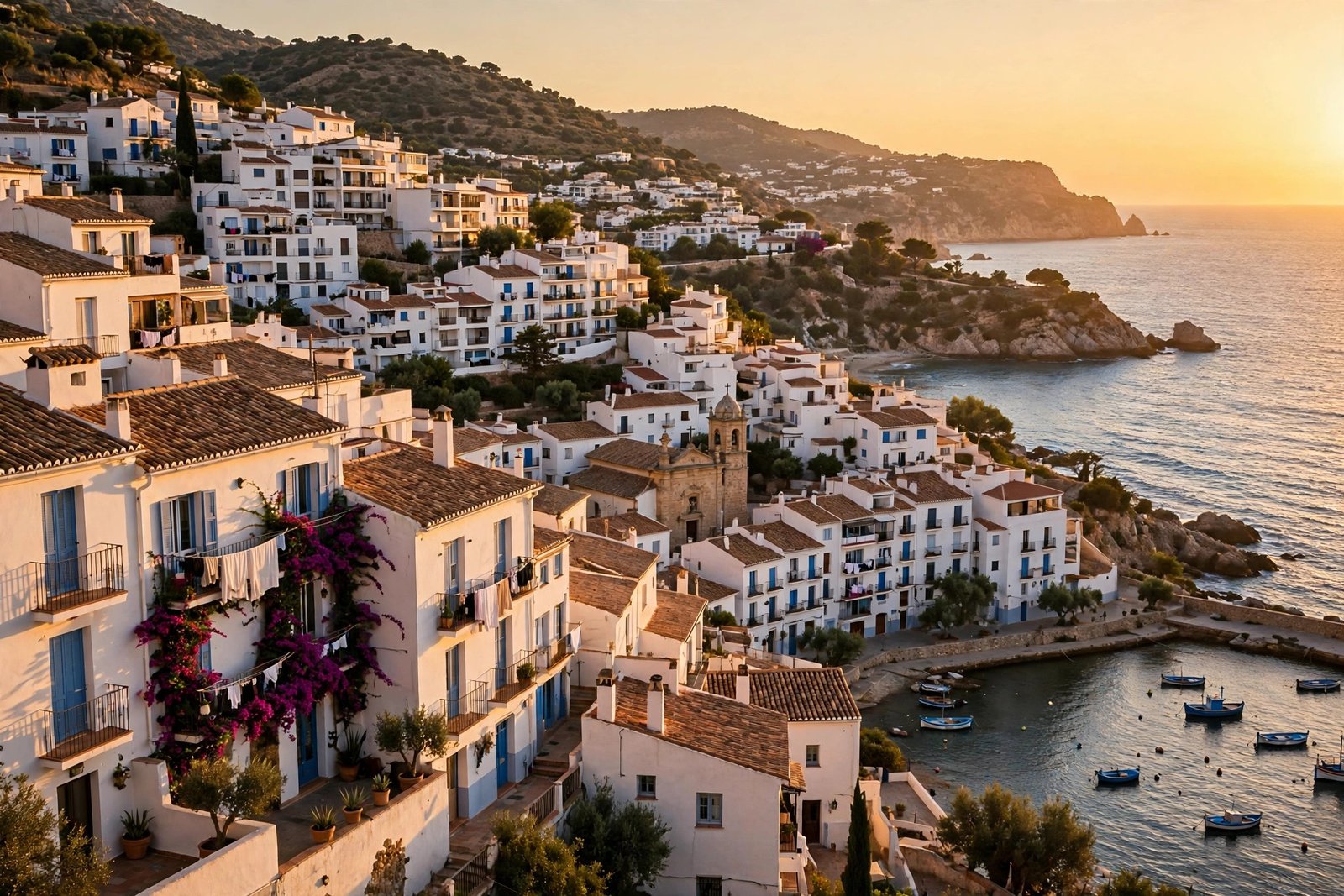
Where is the value? Not in Barcelona or Madrid, where prices are high and Barcelona plans to phase out tourist apartment licences by 2029 — a real risk if your plan depends on holiday lets. The value is in Valencia’s surrounding towns, Murcia, Almeria and inland Andalucia, where townhouses in inland Andalucia, Murcia and Alicante cost around €1,100 to €1,700 per square metre. Those areas offer genuine homes at prices that still leave room for rental income or long-term growth. For a broader view of the year’s best markets, see this research on the best countries to invest in real estate in 2027.
Portugal: Value Has Moved Inland
Foreigners can buy property in Portugal freely, with no restriction on nationality or residence. The buying process is straightforward, and the country remains one of the safest and most welcoming in Europe for overseas owners.
Like Spain, Portugal has closed the property route to residence. Property no longer qualifies for a residence permit since 2023 — the golden visa now uses funds, research and cultural routes instead. But Portugal still offers the D7 passive-income visa, which suits buyers with a steady income from outside Portugal, such as a pension or rental income, who want to live in the country. The D7 does not require you to buy property at all, so you can rent first and buy later, once you know the area.
The costs to budget for are the transfer tax (IMT) plus stamp duty, which together add several percent to the price. Lisbon and the Algarve are expensive, and the best value has moved inland and north: Porto, Braga, Coimbra and the Silver Coast offer better prices for the same quality of life, and inland homes start from €80,000 to €160,000. Those are real homes, not ruins — small town houses and apartments that rent well to locals and to the growing number of remote workers moving to Portugal.
Greece: The Golden Visa Still Works
Greece is the last of the big three where buying property still leads directly to a residence permit. The golden visa still accepts property, but the thresholds have risen. The minimum is €800,000 in prime areas such as Athens and the major islands, €400,000 elsewhere, and €250,000 for restoring listed buildings or converting commercial property into homes. The cheapest route is the restoration one, but it means taking on a building project, with all the cost and risk that involves.
One change is coming that buyers should watch. The government has proposed raising the transfer tax for non-EU buyers from about 3% to 15%, aimed at mid-2027. If that goes ahead, it would add a large cost to every purchase by a non-EU buyer, and it would change the maths on the €400,000 route completely. If you are considering Greece, check whether that proposal has become law before you offer.
Beyond the visa, Greece offers what it always has: low entry prices outside Athens, strong tourism demand on the islands, and a rental market that runs on holiday lets in summer and longer lets in winter. Athens itself is more expensive now, and the €800,000 threshold means the visa route there is for serious budgets only. The islands and the mainland towns are where the value is for smaller buyers.
Cyprus: Small Market, Simple Visa
Cyprus offers a golden visa from €300,000, with an income requirement on top. That is one of the lowest property thresholds left in Europe, and the process is well established: buy a qualifying home, show the required income, and apply for permanent residence. The island is small, English is widely spoken, and the legal system is familiar to British and Commonwealth buyers.
The market itself is small, which cuts both ways. There are fewer properties to choose from, and resale can be slower than in Spain or Portugal. But prices are moderate, the climate is warm, and the island attracts both holiday buyers and long-term residents. Cyprus suits a buyer who wants a simple visa route and a home they will actually use, rather than a pure investment play. Before you buy anywhere abroad, it is worth reading a plain overview of whether foreigners can buy property abroad — the rules vary far more between countries than most buyers expect.
Germany: Slow, Steady, Long-Term
Germany deserves a short note even though it is not a holiday market. It is Europe’s largest economy, with a strong legal system, reliable tenants and a deep rental market. Foreigners can buy freely, and the process is careful and well documented. Prices in Berlin, Munich and Hamburg are high, but smaller cities offer better value, and German tenants tend to stay for years, which means stable rental income.
The case for Germany is not quick profit. It is a long-term hold: a solid property in a solid city, rented to a reliable tenant, gaining value slowly over a decade. If that sounds boring, it probably is — but boring is sometimes exactly what an investor needs. Germany suits buyers who already own livelier properties elsewhere and want one stable asset in their portfolio.
The Countries Compared
| Spain | Portugal | Greece | Cyprus | Germany | |
|---|---|---|---|---|---|
| Can foreigners buy freely? | Yes (NIE needed) | Yes | Yes | Yes | Yes |
| Property golden visa? | No — ended 3 April 2025 | No — ended 2023 | Yes — €250,000 to €800,000 | Yes — from €300,000 | No |
| Other visa route | None via property | D7 passive-income visa | — | — | None via property |
| Typical transfer tax | 6%–10% (resales) | IMT + stamp duty, several percent | About 3% (15% proposed for non-EU buyers) | Several percent | Around 3.5%–6.5% |
| Where the value is | Valencia towns, Murcia, Almeria, inland Andalucia | Porto, Braga, Coimbra, Silver Coast, inland | Islands, mainland towns | Island-wide | Smaller cities |
| Entry prices | Townhouses €1,100–€1,700 per sq m inland | Inland homes from €80,000–€160,000 | From €250,000 (restoration route) | From €300,000 | Higher in big cities |
For a city-by-city view of where to buy in Europe, this guide to the best cities to buy property in Europe is a useful starting point alongside the country picture above.
Closing Costs: Budget 7% to 14% on Top
Whatever country you choose, budget for closing costs of typically 7% to 14% on top of the purchase price. That covers transfer taxes, notary fees, registry fees and legal fees, and the exact figure depends on the country, the region and whether you buy new or resale. A €200,000 home in Europe can easily cost €214,000 to €228,000 by the time you own it.
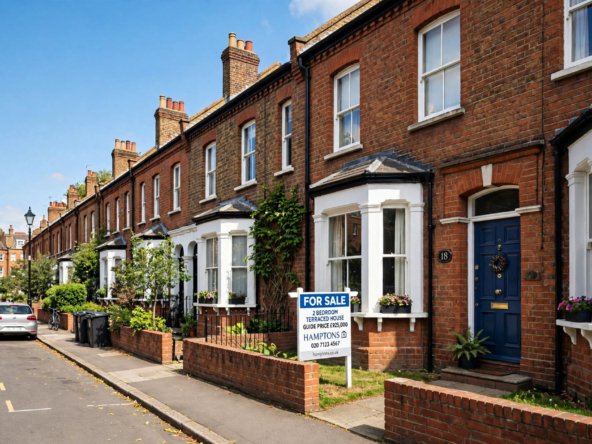
For comparison, the UK charges stamp duty of 2% to 17% for foreign buyers, depending on the price and the surcharges that apply. The UK’s top rate is higher than most of Europe, but its bottom rate is lower — the difference is that the UK’s surcharges for non-residents and additional homes push the total up fast. Our guide to buying property in the UK as a foreigner works through those numbers in detail.
Two costs that catch buyers out everywhere: the lawyer, and the tax advice. A local lawyer who works in English and a tax adviser who understands both your home country and the buying country are not luxuries — they are the difference between a clean purchase and a costly mistake. Budget for both before you offer.
How to Choose
Start with your goal, not the country:
- For a residence permit, the shortlist is Greece and Cyprus — Spain and Portugal have closed that route for property buyers.
- For the lowest entry price, look at inland Portugal and inland Spain.
- For holiday rental income, look at the Greek islands, the Algarve and the Spanish coast — but check the local rules on tourist licences first, because Barcelona is not the only city tightening them.
- For a stable long-term hold, look at Germany.
Then visit. No amount of online research replaces walking the street, seeing the building, and talking to a local agent. Buy in a place you understand, through a lawyer you trust, at a price you have checked against similar sales — not against the asking prices on listing sites.
Mistakes to Avoid
- Assuming the visa rules have not changed. Spain’s property golden visa ended in April 2025 and Portugal’s ended in 2023. Check the current law, not an old blog post.
- Forgetting the closing costs. Budget 7% to 14% on top of the price, and get the exact figure for your country and region before you offer.
- Buying for a holiday let without checking the licence rules. Barcelona plans to phase out tourist apartment licences by 2029, and other cities are following. Confirm the licence situation in writing.
- Skipping the local lawyer. Every country has its own traps — military permits in Spain, restoration rules in Greece, tax quirks everywhere. A local lawyer is the cheapest insurance you will ever buy.
- Comparing only asking prices. Asking prices are not sale prices. Check what similar homes actually sold for before you offer.
Frequently Asked Questions
Can foreigners buy property in Spain, Portugal and Greece?
Yes, all three allow foreigners to buy freely. Spain requires a NIE number, and non-EU buyers need a military permit in certain border and coastal zones. Portugal has no restriction on foreign buyers. Greece allows foreign buyers freely, with different golden visa thresholds by area.
Does buying property in Europe still give you a visa in 2027?
In Greece, yes — the golden visa still accepts property from €250,000 for restoration projects, €400,000 outside prime areas and €800,000 in prime areas. Cyprus offers a golden visa from €300,000. Spain’s property golden visa ended on 3 April 2025 and Portugal’s ended in 2023. Portugal still offers the D7 passive-income visa, which does not require a property purchase.
What are the closing costs when buying property in Europe?
Typically 7% to 14% on top of the purchase price, covering transfer taxes, notary fees, registry fees and legal fees. The exact figure depends on the country and region: Spain’s transfer tax on resales is typically 6% to 10%, Portugal charges IMT plus stamp duty, and Greece charges about 3% transfer tax — though a rise to 15% for non-EU buyers has been proposed for mid-2027.
Where is the best value for property in Europe in 2027?
For low entry prices, inland Portugal (homes from €80,000 to €160,000) and inland Spain (townhouses around €1,100 to €1,700 per square metre in Andalucia, Murcia and Alicante) offer the best value. Porto, Braga, Coimbra and the Silver Coast in Portugal, and Valencia’s surrounding towns, Murcia and Almeria in Spain, are the areas to look at first.
Is the Greek golden visa still available in 2027?
Yes. The thresholds are €800,000 in prime areas such as Athens and the major islands, €400,000 elsewhere, and €250,000 for restoring listed buildings or converting commercial property. The government has proposed raising transfer tax for non-EU buyers from about 3% to 15%, aimed at mid-2027, so check the current law before you buy.
Is Germany a good country for property investment?
Germany is a good long-term hold rather than a quick profit. It is Europe’s largest economy with a strong legal system and reliable tenants, but prices in Berlin, Munich and Hamburg are high and growth is slow. Smaller German cities offer better value for patient investors.
Start With the Goal, Not the Country
Europe in 2027 rewards buyers who know what they want. If you want a visa, Greece and Cyprus are the realistic choices. If you want the lowest price, look inland in Portugal and Spain. If you want stability, look at Germany. Whatever you choose, budget the 7% to 14% closing costs, hire a local lawyer, and check the current visa and tax rules before you offer — because in Europe, the rules change often. You can compare the European picture with the best US states for foreign property investors in 2027, the guide to buying property in the USA as a foreigner, and live properties for sale and rent in the UK and the USA on ZameenInfo. Search everything on the properties listings page or the property search page.