
 by zameeninfo.com
Future of Real Estate – Trends Every Buyer Must Know
The real estate market is changing faster than ever. New technologies, shifting demographics, and evolving buyer expectations are rewriting the rules of property ownership. Whether you’re a first-time homebuyer or a seasoned investor, understanding the future of real estate is crucial to making smart decisions. [Sources]
Thank you for reading this post, don't forget to subscribe!Related guide: How to Sell Your House Fast at the Best Price – Expert Property Selling Tips
This guide breaks down the key Future of Real Estate every buyer must know in 2025 and beyond—from smart home technology to sustainability, urban migration, and new investment models.
Why Knowing the Future of Real Estate Matters

- Timing impacts returns. Buying ahead of trends often means better appreciation and resale value.
- Market conditions shape affordability. Interest rates, demand, and inventory change quickly.
- Lifestyle needs evolve. Today’s buyers prioritize flexibility, sustainability, and connectivity more than square footage alone.
1. Smart Homes Are Becoming the Standard
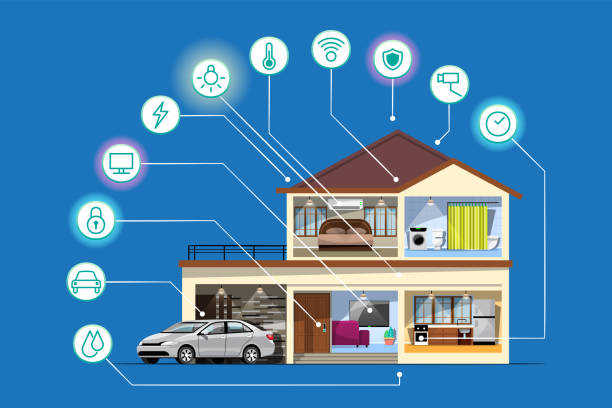
Technology is no longer optional in housing—it’s expected.
- Smart security. Buyers now want homes with cameras, smart locks, and integrated alarm systems.
- Energy efficiency. Thermostats, lighting, and appliances controlled by apps save money and reduce carbon footprints.
- AI-powered living. Voice assistants and predictive energy management are creating fully connected homes.
👉 Buyers who prioritize tech-ready homes today will likely enjoy higher resale demand Future of Real Estate.
2. Sustainability Drives Value
Environmental concerns are shaping the housing market.
- Green certifications. Homes with LEED or Energy Star ratings often sell faster and at higher prices.
- Solar panels & EV charging stations. Increasingly, buyers expect these features as standard.
- Eco-friendly materials. From recycled wood to non-toxic paints, sustainable construction adds long-term value.
🌍 Governments are also offering tax incentives for energy-efficient upgrades, making these homes financially smarter.
3. Hybrid Living: Work + Home
The remote work revolution changed what buyers want.
- Home offices. A separate, quiet space for work is now a top priority.
- Multi-use layouts. Buyers look for flexible spaces that can switch between living, working, and entertaining.
- Connectivity. High-speed internet is as important as plumbing or electricity.
In markets where remote work is common, homes with dual-function layouts command premium pricing.
4. Urban-to-Suburban Migration
While cities remain attractive, more buyers are looking to suburbs and secondary cities for affordability and lifestyle balance.
- Smaller cities growing fast. Places with lower costs of living, good schools, and outdoor space are in high demand.
- Transit-oriented developments. Buyers want easy commutes without the cost of big-city living.
- Mixed-use communities. Walkable neighborhoods with shops, gyms, and dining are a rising trend.
📈 For buyers, this means suburban homes may offer stronger appreciation potential over the next decade.
5. Rising Role of Real Estate Technology (PropTech)
Buying a home no longer starts with an open house—it starts with a screen.
- Virtual reality (VR) tours. Buyers can explore homes remotely before scheduling a visit.
- Blockchain transactions. Smart contracts are making closings faster and more secure.
- AI-powered search. Platforms now match buyers to homes based on lifestyle preferences, not just price and size.
👉 Tech-savvy buyers will have more options, faster transactions, and better market insights.
6. Affordability Challenges Continue
While innovation grows, affordability remains one of the biggest challenges.
- Rising mortgage rates. Borrowing costs impact how much buyers can afford.
- Inventory shortages. Demand continues to outpace supply in many areas.
- Creative financing. Shared ownership models and rent-to-own options are gaining popularity.
💡 Smart buyers are considering up-and-coming neighborhoods and flexible financing methods to stay ahead.
7. Real Estate as a Long-Term Investment
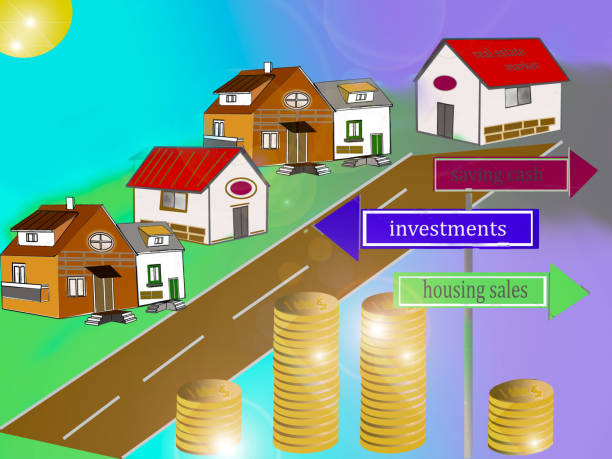
Housing remains one of the most stable wealth-building assets. But the future of real estate investing is expanding:
- Fractional ownership. Buyers can invest in parts of properties through digital platforms.
- Short-term rentals. Airbnb-style investments continue to grow but face new regulations.
- Build-to-rent communities. Entire neighborhoods built for renters are attracting investors.
For individual buyers, this means more options to enter the market—even with smaller budgets.
FAQs – Future of Real Estate
1. What’s the biggest real estate trend buyers should watch?
Smart homes and sustainability are becoming the top differentiators in value.
2. Will housing prices keep rising?
Prices may stabilize in some markets, but long-term demand still points upward—especially in growing suburbs.
3. Is it better to buy now or wait?
If you find a home that fits your budget and needs, buying sooner protects against rising rates and inflation.
4. How will technology change the way we buy homes?
Expect more online transactions, VR tours, and even blockchain-based contracts in the next 5 years.
5. What cities will grow the fastest?
Secondary markets with affordability, strong job growth, and lifestyle perks (like Austin, Raleigh, or Boise) are on the rise.
Final Thoughts
The future of real estate is about more than bricks and mortar—it’s about technology, sustainability, lifestyle, and financial flexibility.
For buyers, this means looking beyond square footage and focusing on long-term trends that will shape value, comfort, and investment returns.
The bottom line: buy smart, think ahead, and choose homes that match the way people will live in the next decade, not just today.