
 by zameeninfo.com
Introduction
Dubai has become one of the most attractive destinations for global investors, offering lucrative returns in both commercial and residential real estate. With tax-free advantages, a booming tourism industry, and ongoing infrastructure development, Investments in Dubai continue to attract individuals and corporations worldwide. But which is better: commercial or residential properties? This guide explores the differences, benefits, risks, and opportunities in detail to help you make the right choice.
Thank you for reading this post, don't forget to subscribe!1. Why Dubai is a Global Hub for Investments
Dubai’s strategic location between East and West, strong economic policies, and investor-friendly laws make it a powerhouse for both commercial and residential investments. With Expo 2020 boosting international attention and new visa reforms attracting long-term residents, the demand for property in Dubai continues to grow.
2. Understanding Commercial vs Residential Investments in Dubai
Before investing, it’s important to understand the basic difference.
- Commercial properties include office buildings, retail spaces, warehouses, and hotels.
- Residential properties include apartments, villas, and townhouses designed for individuals and families.
Both have different cost structures, tenant profiles, and expected returns.
3. Key Features of Residential Properties in Dubai
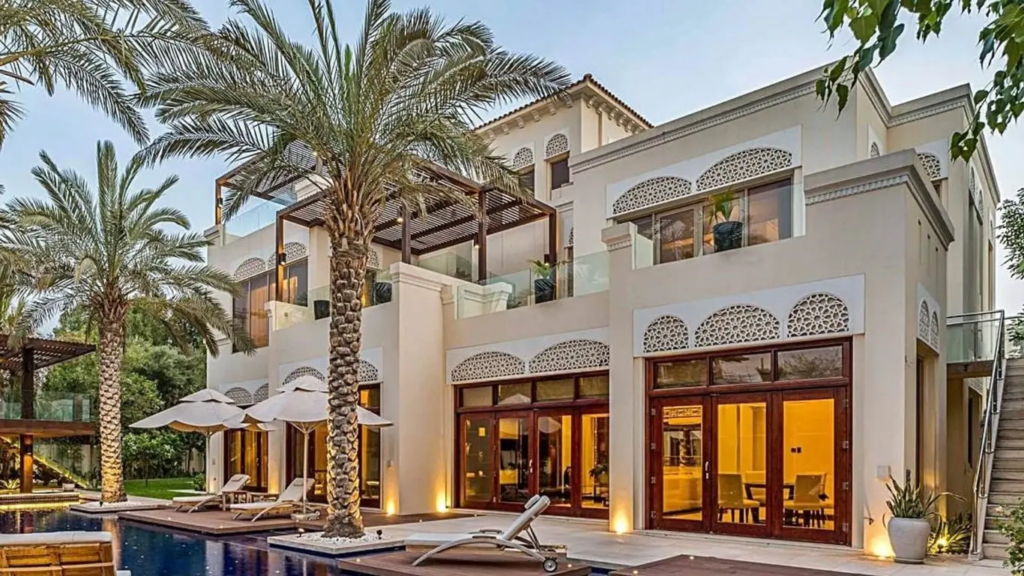
Residential properties are designed for lifestyle comfort and family living. Key features include:
- Modern architecture with luxury finishes
- Proximity to schools, malls, and metro stations
- 24/7 security, gyms, and swimming pools
- Options ranging from affordable apartments to luxury villas in prime areas like Downtown Dubai and Palm Jumeirah

4. Key Features of Commercial Properties in Dubai
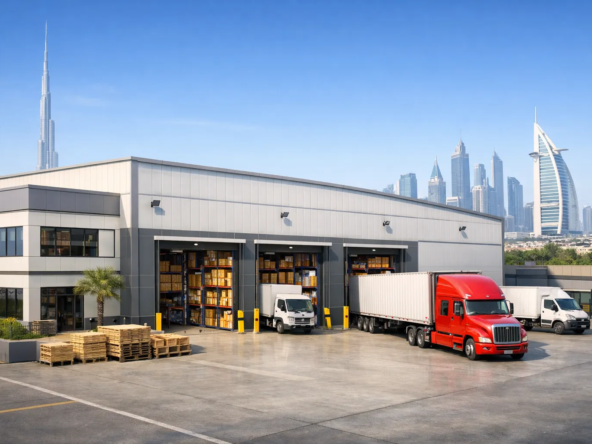
Commercial properties focus on functionality and profitability. Key features include:
- High-tech office spaces with premium infrastructure
- Retail spaces in high-footfall areas like Downtown and Dubai Marina
- Warehouses and industrial zones with logistics connectivity
- Flexible layouts catering to startups, SMEs, and multinational corporations

5. Market Trends in Residential Investments in Dubai
Residential real estate has seen steady growth, especially with Dubai’s population increasing every year. The demand for apartments near business districts and villas in suburban areas has risen sharply since 2022. Rental yields for residential units average between 5–7%, depending on the location and property type.
6. Market Trends in Commercial Investments in Dubai
Commercial properties typically offer higher rental yields, averaging 7–9%. Office spaces are in demand due to Dubai’s growing role as a business hub for the Middle East. Retail outlets near tourist hotspots also generate strong cash flows, while warehouses benefit from Dubai’s booming e-commerce and logistics sector.
7. Pros of Residential Investments in Dubai
- Easier entry with lower purchase prices compared to commercial properties
- High demand from expatriates and families relocating to Dubai
- Strong potential for capital appreciation in prime areas
- Flexible rental options (short-term Airbnb or long-term leases)
8. Cons of Residential Investments in Dubai
- Rental yields are lower compared to commercial properties
- High competition due to oversupply in some districts
- Maintenance and furnishing costs may eat into profits
- Tenant turnover can be frequent, requiring active management
9. Pros of Commercial Investments in Dubai
- Higher rental yields and longer lease agreements
- Professional tenants (corporations, retail brands) with stronger financial stability
- Lower tenant turnover compared to residential properties
- High demand for retail and office spaces in central business districts
10. Cons of Commercial Investments in Dubai
- Higher upfront purchase costs
- Vacancy risk if market demand falls
- Economic slowdowns can heavily impact business tenants
- Requires more capital and expertise to manage effectively
11. Location Matters: Prime Areas for Residential Investments
Downtown Dubai – Luxury Living at the Heart of the City
Downtown Dubai remains one of the top choices for residential investments in Dubai. Luxury apartments here attract high-end tenants and tourists thanks to proximity to Burj Khalifa and Dubai Mall, ensuring steady rental demand and premium returns.
Dubai Marina – High Rental Demand for Expat Communities
Dubai Marina is highly popular among expatriates and young professionals. With waterfront views, lifestyle amenities, and easy metro access, it consistently delivers high occupancy and strong rental yields for investors.
Palm Jumeirah – Exclusive Villas and Waterfront Lifestyle
Palm Jumeirah offers ultra-luxury villas and apartments that command premium rents. As one of the most iconic addresses in Dubai, properties here enjoy long-term appreciation, making it a hotspot for luxury Investments in Dubai.
Jumeirah Village Circle (JVC) – Affordable Family-Friendly Housing
JVC appeals to families looking for spacious yet affordable homes. With ongoing development, parks, and schools nearby, it offers strong growth potential and affordable entry points for investors seeking long-term stability.
12. Location Matters: Prime Areas for Commercial Investments
Business Bay – Corporate Offices and Retail Hubs
Business Bay is one of Dubai’s fastest-growing business districts, filled with office towers and retail spaces. Its central location near Downtown makes it ideal for commercial investments in Dubai, offering long leases and high rental yields.
DIFC – Dubai’s Financial Powerhouse
The Dubai International Financial Centre (DIFC) is the city’s financial hub, attracting banks, law firms, and multinational companies. Properties here enjoy strong demand from corporate tenants who sign long-term rental agreements.
Dubai South – Logistics and Warehouse Opportunities
With its proximity to Al Maktoum International Airport and Expo City, Dubai South is the leading destination for logistics and industrial investments. Warehouses and commercial plots here provide excellent opportunities for investors eyeing e-commerce growth.
Dubai Marina – Retail and F&B Investment Potential
Dubai Marina isn’t just residential—it also has thriving retail and F&B outlets serving thousands of daily residents and tourists. For commercial investors, restaurants and shops here can generate consistent revenue streams.
13. Rental Yields: Comparing Commercial vs Residential
On average:
- Residential yields: 5–7%
- Commercial yields: 7–9%
Commercial properties often outperform residential in terms of ROI, but carry higher risks.
14. Capital Appreciation Potential
Residential properties in Dubai, especially luxury units in Downtown or Palm Jumeirah, often experience higher capital appreciation driven by lifestyle demand and limited supply. Commercial assets, however, rise and fall with economic cycles and business expansion trends. Investors should balance appreciation potential with rental yield stability when choosing between the two property types in their Investments in Dubai.
15. Short-Term vs Long-Term Opportunities
Residential apartments, particularly in tourist hotspots, are ideal for short-term rentals on platforms like Airbnb, providing quick and flexible returns. Commercial properties, on the other hand, usually come with multi-year leases that guarantee steady long-term rental income. Deciding between short-term profits and stable long-term cash flow is essential when planning Investments in Dubai.
16. Legal Framework for Investments in Dubai
Property ownership in Dubai is safeguarded by the Dubai Land Department (DLD) and Real Estate Regulatory Agency (RERA), which ensure transparent transactions and protect investor rights. Foreigners can own freehold property in designated areas, making Dubai one of the most accessible global markets for real estate investment. A strong regulatory framework strengthens confidence in Investments in Dubai.
17. Tax Benefits of Investing in Dubai
Dubai is globally attractive because it offers zero property tax, no capital gains tax, and no income tax on rental income. This creates higher net returns for both commercial and residential investors compared to markets in Europe or North America. These tax advantages are a key driver of international Investments in Dubai, ensuring maximum profitability.
18. Financing Options for Investors
Both local and international banks in Dubai provide mortgage facilities with competitive interest rates for investors. Loan-to-value ratios typically range from 50–80%, depending on the property type and investor profile. Accessible financing options make it easier for new and experienced buyers to secure prime Investments in Dubai without heavy upfront capital.
19. Risks of Over-Supply in Residential Properties
Dubai’s residential market has seen phases of oversupply, particularly in developing communities, which can reduce rental yields and slow appreciation. Investors should analyze occupancy rates, demand forecasts, and developer reputation before making decisions. Choosing prime, high-demand areas helps protect the value of residential Investments in Dubai.
20. Risks of Vacancy in Commercial Properties
Commercial real estate faces the risk of longer vacancies during economic downturns, as businesses scale back or relocate. Retail and office spaces in non-central areas may struggle to attract tenants consistently. To minimize this, investors should focus on prime locations with stable demand for their commercial Investments in Dubai.
21. Impact of Tourism on Investments in Dubai
Tourism is a major driver of Dubai’s economy, directly boosting short-term rental demand for apartments in Downtown, Marina, and Palm Jumeirah. Retail and hospitality businesses also thrive with high visitor footfall. The strong tourism sector ensures a consistent stream of opportunities for both residential and commercial Investments in Dubai.
22. Expo 2020 Legacy and Its Impact
Expo 2020 placed Dubai on the global stage, attracting investors, businesses, and residents from around the world. The long-term legacy includes new infrastructure, population growth, and increased international interest in property ownership. These factors continue to support rising demand for Investments in Dubai across both residential and commercial sectors.
23. Technology in Real Estate Investment
Dubai is leading innovation in real estate with blockchain transactions, AI-driven property management, and smart building technologies. These advancements enhance transparency, reduce risks, and attract global investors seeking modern, efficient markets. Technology integration is reshaping how people approach Investments in Dubai for the future.
24. Sustainability and Green Investments
Eco-friendly developments are gaining popularity as Dubai pushes for sustainability under its Clean Energy Strategy 2050. Residential buyers are drawn to energy-efficient apartments, while corporates prefer green-certified commercial buildings. Aligning with sustainability trends not only benefits the environment but also increases the long-term value of Investments in Dubai.
25. Comparing Maintenance Costs
Residential properties often require higher maintenance due to frequent tenant turnover, furnishing needs, and wear-and-tear. Commercial tenants, however, typically cover maintenance and fit-out expenses themselves, reducing the burden on landlords. Understanding these cost structures is crucial when comparing residential vs commercial Investments in Dubai.
26. Exit Strategies for Investors
Residential properties benefit from high liquidity, allowing faster sales due to strong demand from end-users and investors alike. Commercial properties may take longer to sell but can yield substantial returns if leased to reputable tenants. Selecting the right exit strategy is essential to maximize profit in Investments in Dubai.
27. Investment Opportunities for Expats
Dubai offers attractive opportunities for expatriates, with property purchases above AED 750,000 qualifying investors for residency visas. Long-term Golden Visa options are available for larger investments, providing security and stability. These residency-linked incentives strengthen Dubai’s appeal for foreign Investments in Dubai.
28. Role of Real Estate Agencies
Professional real estate agencies like Zameen Info play a critical role in guiding investors with verified listings and market insights. Trusted agencies provide transparency, negotiation support, and legal assistance, reducing risks. Partnering with experts ensures safer and more profitable Investments in Dubai.
29. Future Outlook for Investments in Dubai
Dubai’s real estate market shows strong resilience, backed by economic diversification, infrastructure expansion, and population growth. With rising demand from international buyers, both commercial and residential sectors are poised for long-term appreciation. The positive outlook makes Investments in Dubai a compelling choice for global investors.
30. Choosing Between Commercial and Residential Investments
The choice between commercial and residential depends on investor goals, budget, and risk appetite. Residential is better for beginners seeking steady demand and liquidity, while commercial offers higher yields for seasoned investors willing to manage risk. Both avenues offer strong potential, cementing Dubai as one of the top destinations for Investments in Dubai.
FAQs
Q1: Which is better for Investments in Dubai, commercial or residential?
It depends on your goals. Residential offers stability, while commercial provides higher returns but carries higher risk.
Q2: What are the rental yields in Dubai?
Residential: 5–7%, Commercial: 7–9%.
Q3: Can foreigners buy property in Dubai?
Yes, foreigners can buy freehold properties in designated zones.
Q4: Are there taxes on property in Dubai?
No property tax, capital gains tax, or income tax applies.
Q5: Which areas are best for residential investments?
Downtown Dubai, Palm Jumeirah, Marina, and JVC.
Q6: Which areas are best for commercial investments?
Business Bay, DIFC, Dubai South, and Dubai Marina.
Q7: Is Dubai good for long-term investment?
Yes, with population growth and strong demand, long-term outlook is positive.
Q8: How risky is oversupply?
Some areas face oversupply, lowering yields; research carefully.
Q9: Do investors get visas in Dubai?
Yes, property investments above AED 750,000 can qualify for residency.
Q10: Can I rent out my Dubai property short-term?
Yes, with permits, you can lease via Airbnb or other platforms.
Conclusion
Both commercial and residential Investments in Dubai offer unique opportunities. Residential is ideal for investors seeking stability and lifestyle appeal, while commercial suits those aiming for higher rental yields and long-term business tenants. By understanding the pros, cons, and market dynamics, investors can strategically choose the best option. With zero taxes, high demand, and global prestige, Dubai remains one of the most rewarding real estate markets in the world.