
 by Amir Iqbal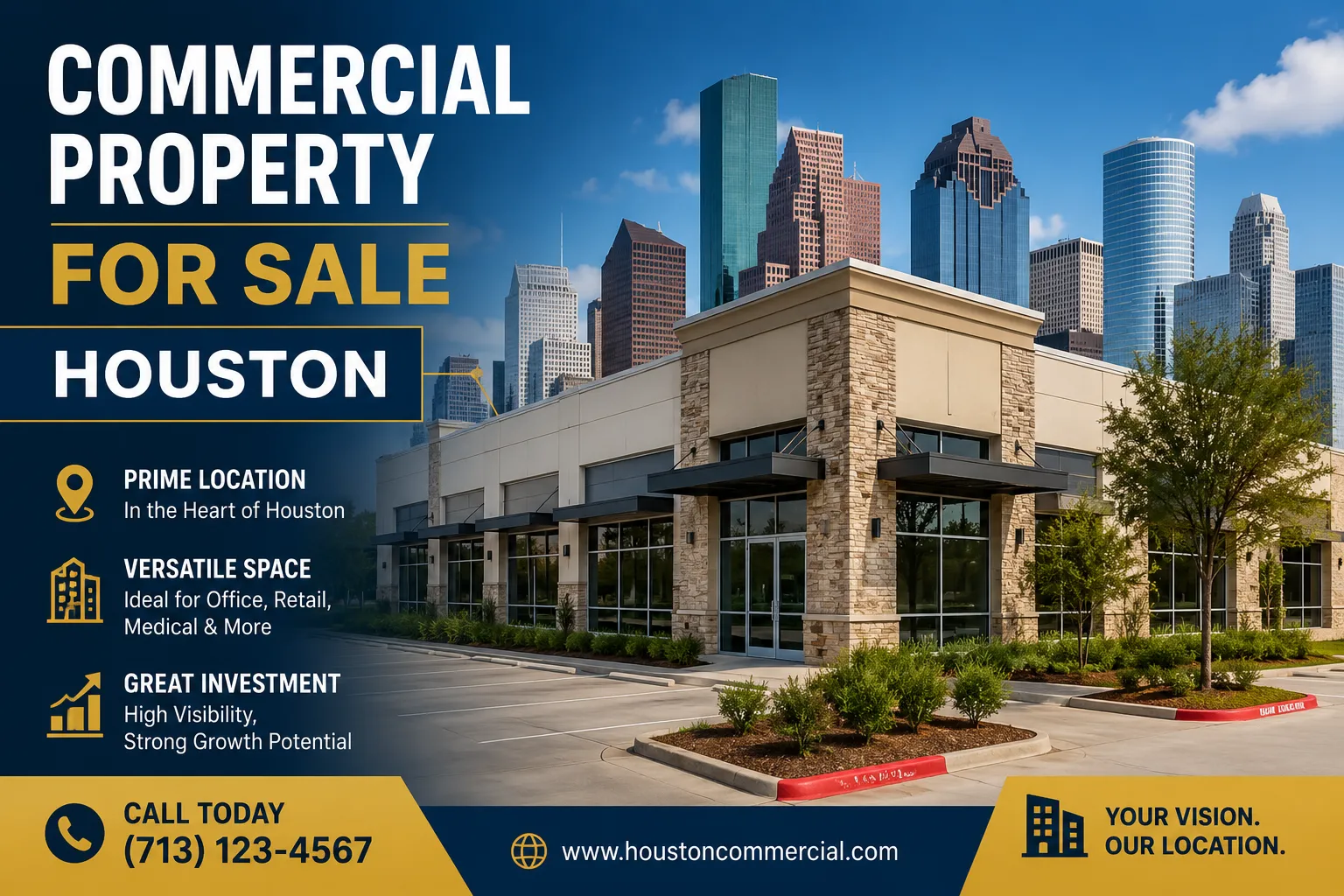
Overview of Commercial property for sale in Houston, TX
Houston remains one of the most active commercial real estate markets in Texas. Whether you are searching for a retail building, warehouse, office space, multifamily asset, medical office, restaurant location, lots for sale or commercial house for sale in Houston TX, the city offers a wide range of opportunities for investors, developers, and business owners.
The demand for commercial property in Houston is supported by population growth, strong employment sectors, international trade, healthcare, energy, logistics, construction, and small business expansion. Because Houston is spread across multiple business districts and suburban growth corridors, buyers can find different price points, property types, and investment strategies depending on their goals.
If you are looking for commercial property for sale Houston, the most important step is not simply finding a listing. The real value comes from understanding location, property condition, income potential, future development, financing, market demand, and exit strategy.
Why Houston Is a Strong Commercial Real Estate Market
Houston is attractive because it gives commercial buyers flexibility. The city has major employment centers, strong highway access, one of the largest ports in the country, a major medical district, established industrial corridors, and fast-growing suburbs around Harris County, Fort Bend County, Montgomery County, and Brazoria County.
Another major advantage is Houston’s business-friendly environment. Unlike many large U.S. cities, Houston does not use traditional zoning in the same way. This can create more flexibility for commercial development, although buyers still need to review deed restrictions, city development rules, drainage requirements, building codes, parking standards, permits, easements, and utility access.
For investors, Houston commercial real estate can serve several goals: stable rental income, business use, redevelopment, land banking, owner-occupied expansion, or long-term appreciation.
Types of Commercial Real Estate for Sale in Houston
1. Retail Property
Retail properties include shopping centers, strip plazas, single-tenant buildings, restaurants, convenience stores, and service-based spaces. High-traffic areas near major roads such as I-10, I-45, US-59/I-69, Beltway 8, Westheimer Road, and Highway 6 can be especially attractive for retail buyers.
Retail property is usually evaluated by visibility, traffic count, parking, tenant quality, lease terms, signage, and nearby residential density.
2. Office Buildings
Office property in Houston includes small professional offices, medical office buildings, suburban office parks, and larger corporate buildings. Popular office submarkets include Downtown Houston, Uptown/Galleria, Energy Corridor, Greenway Plaza, Westchase, Memorial, The Woodlands, and the Texas Medical Center area.
Before buying office property, review occupancy, lease expiration dates, tenant improvements, HVAC condition, parking ratio, and whether the building fits current workplace demand.
3. Industrial and Warehouse Property
Industrial real estate is one of Houston’s most important commercial property sectors. Warehouses, distribution buildings, flex spaces, manufacturing properties, and truck-served facilities are common near Port Houston, North Houston, Northwest Houston, East Houston, Pasadena, Baytown, and along major freight routes.
Industrial buyers should evaluate clear height, dock doors, truck access, power capacity, yard space, drainage, environmental history, and proximity to highways and labor.
4. Commercial Lots for Sale in Houston TX
Commercial land is ideal for developers, owner-users, storage yards, retail pads, medical buildings, multifamily development, and future investment. When reviewing commercial lots for sale in Houston TX, do not focus only on the asking price. A cheap lot may become expensive if it has poor access, flood risk, utility problems, title issues, or costly site work.
Important land factors include road frontage, access points, utilities, drainage, detention requirements, deed restrictions, floodplain status, soil condition, traffic flow, and surrounding development.
5. Multifamily and Mixed-Use Property
Multifamily and mixed-use properties can provide steady income when located near job centers, universities, hospitals, transit routes, and growing neighborhoods. Buyers should study occupancy, rent roll, unit condition, repair needs, property taxes, insurance, and management costs.
How to Invest in Commercial Property for Sale in Houston
1. Define Your Investment Goal
Before searching for commercial property for sale in Houston, decide what you want from the investment. Your goal may be monthly rental income, long-term appreciation, business use, redevelopment, or land banking.
An investor looking for income may prefer a leased retail or industrial property. A business owner may prefer an owner-occupied office or warehouse. A developer may prefer commercial lots with strong access and growth potential.
2. Choose the Right Houston Location
Location is one of the most important factors in commercial real estate. In Houston, each area has different investment potential. Downtown Houston, the Galleria, Energy Corridor, Texas Medical Center, Westchase, Katy, Sugar Land, Pearland, Cypress, The Woodlands, Pasadena, Baytown, and Northwest Houston all serve different commercial needs.
Retail investors should focus on traffic, visibility, and nearby population. Industrial investors should focus on highway access, truck movement, and logistics demand. Office investors should focus on business districts, parking, and tenant demand. Land investors should focus on development growth, utilities, and future area demand.
3. Study the Numbers
Commercial real estate is not only about the asking price. Investors should review the full financial picture. Important numbers include purchase price, rental income, operating expenses, property taxes, insurance, repairs, vacancy risk, financing cost, and future capital improvements.
Key investment terms include net operating income, cap rate, cash-on-cash return, price per square foot, lease term, occupancy rate, and debt-service coverage ratio. A property may look attractive, but if expenses are too high or tenants are unstable, the investment can become risky.
4. Review Tenant Quality and Lease Terms
If the property is already leased, review the rent roll and all tenant leases. Strong tenants with long-term leases can make a property more stable. Short leases, below-market rents, unpaid rent, or weak tenants can create risk.
Check lease expiration dates, renewal options, rent increases, expense responsibilities, maintenance obligations, and tenant improvement agreements. For retail and office properties, lease quality can directly affect the property’s value.
5. Understand Commercial Financing
Commercial property financing is different from residential lending. Lenders usually review the buyer’s financial strength, the property’s income, debt-service coverage, down payment, credit profile, and property condition.
Common financing options include conventional commercial loans, SBA loans, seller financing, bridge loans, private money, hard money, and construction loans. Owner-users may consider SBA financing, while investors often use conventional or private commercial loans.
Before making an offer, speak with a lender and understand your budget, loan terms, interest rate, down payment, closing costs, and approval timeline.
6. Complete Due Diligence
Due diligence is the most important part of buying commercial property in Houston. During this period, investors should inspect the property, review financial records, study leases, check title, order a survey, review environmental history, verify utilities, and confirm legal access.
For land, due diligence is even more important. Buyers should confirm whether the land can support the intended use. This includes checking drainage, floodplain, detention requirements, utilities, soil condition, access, and deed restrictions.
Never rely only on listing information. A professional inspection, title review, and feasibility study can protect you from costly mistakes.
7. Work With Local Professionals
Commercial real estate deals are complex. A Houston commercial real estate broker can help identify good opportunities, compare market prices, negotiate terms, and understand submarket trends. You may also need a real estate attorney, CPA, lender, inspector, surveyor, environmental consultant, and property manager.
Best Houston Areas to Search for Commercial Property
Houston is not one single commercial market. Each area has different demand drivers.
Downtown Houston is strong for office, hospitality, mixed-use, and redevelopment. The Galleria and Uptown area is popular for office, retail, and luxury commercial assets. The Energy Corridor attracts office, flex, and service businesses. The Texas Medical Center supports medical office, healthcare, and nearby retail demand.
Northwest Houston and North Houston are strong for industrial, logistics, and warehouse properties. East Houston, Pasadena, and Baytown benefit from port access, petrochemical activity, and industrial demand. Katy, Sugar Land, Pearland, Cypress, Humble, and The Woodlands offer suburban growth, retail, medical, office, and land opportunities.
The best location depends on your business model. A restaurant needs visibility and parking. A warehouse needs truck access. A medical office needs patient convenience. A developer needs land use flexibility, utilities, and future demand.
How to Buy Commercial Property in Houston

Buying commercial real estate in Houston requires a structured process. Here is a practical step-by-step approach.
Step 1: Define Your Investment Goal
Before searching, decide whether you want the property for your own business, rental income, redevelopment, land investment, or resale. Your goal will determine the right property type, location, size, financing, and risk level.
Step 2: Set Your Budget and Financing Plan
Commercial financing is different from residential financing. Lenders often review property income, buyer credit, business financials, down payment, debt-service coverage ratio, property condition, and market value. Speak with a commercial lender early so you know your real buying power.
Step 3: Work With a Houston Commercial Real Estate Broker
A local commercial broker can help you identify on-market and off-market properties, compare prices, review rent comps, understand submarkets, and negotiate better terms. For complex assets, you may also need a real estate attorney, CPA, lender, inspector, surveyor, and environmental consultant.
Step 4: Analyze the Property
Review the rent roll, leases, expenses, taxes, insurance, repair history, maintenance costs, vacancy, tenant credit, access, visibility, nearby competition, and future development. For land, verify utilities, drainage, access, floodplain, environmental history, and buildability.
Step 5: Make an Offer With Due Diligence Protection
Commercial purchase contracts usually include an inspection or feasibility period. This allows time to review leases, title, survey, environmental reports, property condition, financing, permits, and development options.
Step 6: Complete Due Diligence
Due diligence is where many bad deals are avoided. Buyers should inspect the building, review income documents, confirm zoning or land-use limitations, check deed restrictions, review title exceptions, study flood risk, and estimate repair costs.
Step 7: Close and Execute Your Plan
After financing approval, final title review, and inspections, the transaction moves to closing. After closing, your plan may include leasing, renovation, tenant improvements, business operation, redevelopment, or long-term holding.
How Do I Know if a Commercial Property Is a Good Investment?
A good commercial property is not always the cheapest property. A strong investment usually has a clear use, good location, reliable income potential, manageable expenses, and a realistic exit strategy.
Important metrics include cap rate, cash-on-cash return, net operating income, occupancy, lease length, tenant quality, replacement cost, price per square foot, and future appreciation potential. For land, the key questions are: Can it be developed? Is there demand for the future use? Are utilities available? Is the site accessible? Are development costs realistic?
A property can look profitable on paper but become risky if taxes, insurance, repairs, vacancies, or financing costs are underestimated.
What Financing Options Work Best for Commercial Property in Houston?
The best financing option depends on the property type and buyer profile. Common options include conventional commercial loans, SBA 7(a) loans, SBA 504 loans, bridge loans, hard money loans, seller financing, private lending, construction loans, and CMBS loans for larger stabilized assets.
Owner-users often consider SBA financing because it may offer lower down payment options for qualified businesses. Investors often use conventional commercial loans or private capital. Developers may need construction financing or bridge financing.
The right loan should match your timeline, property condition, cash flow, and risk tolerance.
How Long Does the Buying Process Take?
A simple commercial purchase may take 45 to 90 days. More complex deals can take 90 to 180 days or longer, especially if the property requires environmental review, construction planning, tenant review, lender approval, title cleanup, survey changes, or permitting research.
Land deals can also take longer because buyers must confirm feasibility before closing.
Selling Commercial Property in Houston
If you own commercial real estate in Houston, preparation can improve your sale price and reduce time on market. Sellers should organize financial records, leases, rent rolls, maintenance history, tax records, surveys, title documents, utility information, and property improvements before listing.
Clean financial documentation helps buyers understand the property’s real income. Strong presentation helps brokers market the asset to investors, developers, and owner-users.
How Long Does It Take to Sell a Commercial Property?
The timeline depends on price, location, property type, condition, financing environment, and buyer demand. A well-priced property in a strong location may sell in a few months. A specialized property, overpriced asset, or property with deferred maintenance may take longer.
The best way to shorten the selling timeline is to price correctly, prepare documents early, fix visible issues, market to the right buyer pool, and provide clear due diligence materials.
How Can I Increase the Value of My Commercial Property Before Selling?
You can increase value by improving curb appeal, repairing deferred maintenance, stabilizing tenants, extending leases, raising rents to market level, reducing operating expenses, improving signage, updating lighting, cleaning the site, resolving title issues, and organizing financial records.
For vacant buildings, value can improve if you show realistic leasing potential, provide floor plans, estimate tenant improvement costs, and market the property to the right business users.
For commercial land, value may increase by confirming utilities, access, detention requirements, surveys, development options, and possible site plans.
What Is a BOV and Why Do I Need One?
A BOV, or Broker Opinion of Value, is a professional estimate of what a commercial property may sell for in the current market. It is usually prepared by a commercial real estate broker using recent sales, active listings, property income, location, condition, and buyer demand.
A BOV helps sellers understand realistic pricing before listing. It can also help owners decide whether to sell, refinance, lease, hold, or improve the property. For buyers, a valuation review helps avoid overpaying.
Final Thoughts
Searching for commercial real estate for sale Houston can be a strong opportunity in 2026, but every deal must be carefully reviewed. Houston offers options for investors, developers, business owners, and land buyers, but success depends on local knowledge, financing, due diligence, and correct valuation.
Whether you are buying a warehouse, retail center, office building, medical space, multifamily asset, or commercial lots for sale in Houston TX, work with experienced professionals and study the numbers before making a decision. The right commercial property can support business growth, generate income, and build long-term value in one of Texas’s most important real estate markets.
FAQs About Commercial Property for Sale in Houston
How long does the buying process take?
Most commercial property purchases take 45 to 90 days. Complex deals involving land, environmental reports, financing issues, tenant review, or development approvals can take 90 to 180 days or longer.
How to buy commercial property in 2026?
Start by defining your goal, getting financing guidance, choosing a Houston commercial real estate broker, reviewing listings and off-market options, making an offer, completing due diligence, and closing only after inspections, title, survey, income, and feasibility are verified.
Are commercial lots for sale in Houston TX good for development?
Commercial lots in Houston can be good for development if they have strong access, proper utilities, good visibility, manageable site costs, and demand for the planned use. Buyers should carefully review drainage, flood risk, deed restrictions, traffic, title, and development feasibility before purchasing.
What documents do I need to sell commercial property in Houston?
Sellers should prepare rent rolls, leases, operating statements, tax records, insurance records, maintenance history, surveys, title documents, utility information, property plans, environmental reports if available, and any recent repair or improvement records.
Does Houston have zoning for commercial property?
Houston does not have traditional zoning, but that does not mean every property can be used for any purpose. Buyers still need to review deed restrictions, city development rules, building codes, parking requirements, permits, access, drainage, and other legal or site limitations.