
 by zameeninfo.com
Introduction
Moving to Dubai or looking to upgrade your living situation in this bustling metropolis? Finding the best rental property in Dubai can seem daunting, especially for expats navigating a new country. With its world-class infrastructure, tax-free income, and diverse lifestyle options, Dubai attracts millions of internationals each year. But how do you sift through the options to secure a UAE rental apartment that fits your needs and budget?
Thank you for reading this post, don't forget to subscribe!In this comprehensive guide, we’ll walk you through everything you need to know about property to rent in Dubai for expats. From understanding market trends to negotiating contracts, we’ll provide actionable insights based on the latest 2025 data. Whether you’re a first-time renter or an experienced investor eyeing rental income, this article equips you with the tools to make informed decisions. Let’s dive in and turn your Dubai rental search into a success story.
Understanding Dubai’s Rental Market in 2025
Dubai’s rental market in 2025 is characterized by stabilization after years of rapid growth. With over 72,000 new residential units entering the market this year, supply is catching up to demand, leading to slower rent increases. Annual rental growth has decelerated to around 8.5% as of mid-2025, down from double-digit figures in previous years. This shift benefits tenants, offering more choices and potentially lower renewal rates.
For expats, the market’s appeal lies in its flexibility. Short-term rentals are booming, reflecting Dubai’s dynamic lifestyle where residents often relocate between neighborhoods. However, demand remains high in prime areas due to population growth and infrastructure expansions like new metro lines and business hubs. Key factors influencing the market include economic recovery post-global events, influx of high-net-worth individuals, and government initiatives promoting sustainable living. As an expat, focusing on areas with strong connectivity and amenities can help you find value-for-money options.
Why Dubai is Ideal for Expats Seeking Rental Properties
Dubai stands out as a top destination for expats due to its multicultural environment, safety, and high quality of life. In 2025, the city hosts over 3.5 million residents, with expats making up about 90% of the population. This diversity creates a welcoming atmosphere for newcomers from around the world.
Renting here offers flexibility without the commitment of buying, perfect for those on work visas or testing the waters before long-term settlement. Tax-free salaries mean more disposable income for premium rentals, and the city’s strategic location as a global hub facilitates easy travel. Expats appreciate the blend of modern luxury and cultural experiences, from beachfront living to desert adventures. Plus, with English widely spoken and international schools abundant, families find it seamless to integrate. If you’re eyeing property to rent in Dubai for expats, the market’s resilience, evidenced by a 3% rise in total rental value despite a 4% drop in transactions, underscores its stability.[source]
Types of Rental Properties Available in Dubai
Dubai’s rental landscape is diverse, catering to various lifestyles and budgets. Apartments dominate, ranging from compact studios ideal for singles to spacious multi-bedroom units for families. Villas offer privacy with gardens and pools, popular in suburban areas like Jumeirah or Arabian Ranches.
Townhouses provide a middle ground, often in gated communities with shared amenities. For luxury seekers, serviced apartments in high-rises like those in Downtown Dubai include housekeeping and concierge services. Short-term options, such as holiday homes in Palm Jumeirah, suit temporary stays. In 2025, off-plan rentals are gaining traction, allowing tenants to secure new builds at competitive rates. Expats should consider furnished vs. unfurnished units save on setup costs but may command higher rents. Always check for DEWA (Dubai Electricity and Water Authority) inclusions to avoid surprises.
Top Areas for Rental Properties in Dubai
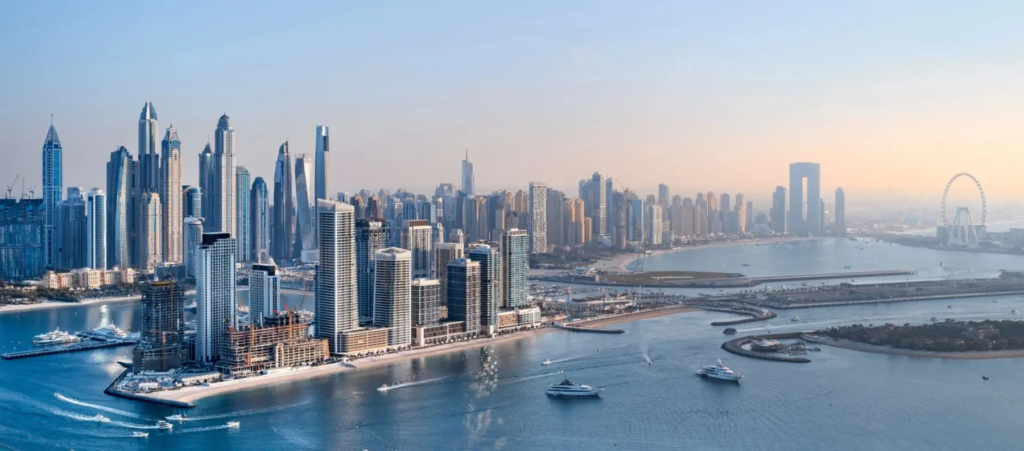
When searching for the best rental property in Dubai, location is key. Dubai Marina tops the list for its vibrant waterfront lifestyle, with easy access to beaches and malls. Downtown Dubai appeals to professionals near the Burj Khalifa and business districts.
For families, Dubai Hills Estate offers green spaces and schools. Jumeirah Lakes Towers (JLT) is budget-friendly with high-rise living and metro connectivity. Expats from India often prefer International City for affordable, community-oriented vibes. Emerging areas like Mohammed Bin Rashid City provide modern villas with investment potential. Consider proximity to work, schools, and leisure areas like Business Bay are hotspots for young professionals due to their central location and nightlife.

Best Neighborhoods for High Rental Yields
If you’re an investor, focus on neighborhoods with strong rental yields in 2025. Jumeirah Village Circle (JVC) leads with 6-8% ROI, thanks to affordable apartments and steady demand from mid-income expats. International City offers 7-9%, ideal for budget rentals.
Dubai Silicon Oasis (DSO) yields 6-7% with tech-focused communities. Discovery Gardens and Al Furjan provide similar returns around 7%, blending affordability and amenities. Premium spots like Dubai Marina and Downtown Dubai hover at 6-7%, driven by tourist appeal. Dubai Hills Estate emerges with 5.5-7% for family-oriented properties. These areas benefit from infrastructure growth, making them resilient for long-term income.
Average Rental Prices in Dubai: What to Expect
Rental prices in Dubai vary by location and size. As of late 2025, a studio apartment averages AED 41,000 annually, while one-bedroom units cost around AED 62,000. In the city center, a one-bedroom might run USD 1,742 monthly (about AED 6,400), equating to AED 76,800 yearly.
Affordable areas like JVC see one-bedrooms from AED 52,000 to 93,000. Luxury in Dubai Marina can push three-bedrooms to AED 200,000+. Overall, Dubai’s average annual rent is AED 90,000, but budgets range widely. For expats, factor in utilities (AED 734 monthly for one person) and aim for 30-40% of income on rent.
Current Trends in the Dubai Rental Market
In 2025, Dubai’s rental market is cooling slightly with increased supply easing pressure on prices. Short-term rentals remain popular, especially in tourist-heavy areas, while long-term leases see moderated growth.
Sustainability is a rising trend, with eco-friendly buildings commanding premiums. Demand for flexible workspaces in rentals grows amid hybrid work models. Rental values rose 3% despite fewer transactions, indicating quality over quantity. Expats benefit from digital tools for virtual viewings. Post-Expo legacy projects boost peripheral areas. Overall, the market favors tenants with more options, but prime locations stay competitive.
How to Start Your Search for a Rental Property
Begin by defining your needs: budget, size, location, and amenities. Research online portals like dubizzle, Property Finder, and Bayut for listings. Set alerts for new properties matching your criteria.
Join expat forums on Reddit or Facebook groups for insider tips. Visit neighborhoods in person to gauge vibe, traffic, noise, and proximity to essentials. For expats, check visa requirements early, as some landlords prefer long-term residents. Budget for agent fees (typically 5% of annual rent) and security deposits. Start 1-2 months before your move-in date to avoid a rush.
Best Online Portals for Finding Rentals in Dubai
Online platforms streamline your search for UAE rental apartments. Dubizzle offers user-friendly filters and direct owner contacts. Property Finder provides detailed analytics on market trends and virtual tours.
Bayut’s rental reports give insights into H1 2025 data, helping predict prices. For expats, sites like ZameenInfo list global options, including Dubai Marina studios from $546 monthly. Use advanced searches for furnished units or pet-friendly spots. Always verify listings with RERA-registered agents to avoid scams.
Working with Real Estate Agents in Dubai
Real estate agents in Dubai are invaluable for navigating the market. Choose RERA-certified professionals for legitimacy. They offer market insights, arrange viewings, and handle negotiations, saving time for busy expats.
Fees are usually 2-5% of annual rent, split or paid by the tenant. Top agencies like Betterhomes or Engel & Völkers specialize in expat relocations. Provide clear requirements upfront e.g., proximity to Dubai Metro. Agents can access off-market deals, especially in high-demand areas like JLT. Build rapport for personalized recommendations.
Legal Requirements for Renting as an Expat
Expats must hold a valid UAE residence visa to rent long-term. Landlords require Emirates ID, a passport copy, and visa page. Tenancy contracts are regulated by RERA (Real Estate Regulatory Agency), ensuring fair practices.
Contracts must be registered via Ejari for legal validity. Security deposits (5-10% of rent) are standard, refundable at lease end. Know the Dubai Rental Law: no more than four post-dated cheques for payments. For short-term, tourist visas suffice, but comply with platform rules like Airbnb regulations.
Essential Documents Needed for Renting
Gather these before signing: passport, visa, Emirates ID, and proof of income (salary certificate or bank statements). For families, include marriage and birth certificates if needed.
Landlords may request a no-objection certificate from your employer. Post-dated cheques or bank transfers for rent. Expats should have a local bank account for the DEWA setup. If using an agent, provide authorization letters. Keep copies of everything for records. Digital scans help in Dubai’s paperless push.
Inspecting Potential Rental Properties
A thorough inspection prevents future issues. Check for water leaks, electrical faults, and AC efficiency crucial in Dubai’s heat. Test appliances, plumbing, and internet ports.
Assess building amenities: pool, gym, parking. Note wear and tear; document with photos. Inquire about maintenance history and pest control. For villas, inspect gardens and irrigation. Virtual tours are handy, but in-person visits reveal noise levels and views. Bring a checklist to cover all bases.
Negotiating Your Rental Agreement
Negotiation is common in Dubai’s rental market. Research comparable properties via portals to leverage data, e.g., if similar units rent lower, highlight it. Offer longer leases for discounts.
Discuss inclusions like furniture or utilities. In 2025’s stabilizing market, tenants have more bargaining power. Be polite but firm; agents can mediate. Aim for flexible payment terms, like fewer cheques. Always get agreements in writing before signing.
Understanding Tenancy Contracts in Dubai
Tenancy contracts outline terms like rent, duration (usually 12 months), and renewal clauses. Registered via Ejari, they protect both parties. Key sections: payment schedule, maintenance responsibilities (landlord covers major repairs), and notice periods (60 days for renewal).
Subletting requires approval. Expats note clauses on pets or modifications. Breach can lead to eviction, so review carefully. Use standard RERA templates for transparency.
Additional Costs Involved in Renting
Beyond rent, budget for agency fees (5%), security deposit (5-10%), and Ejari registration (AED 220). DEWA setup costs AED 2,000-4,000 deposit, plus monthly bills (AED 734 for one person).
Maintenance fees if not covered, and chiller charges in some buildings (AED 500-1,000 yearly). Moving costs, furniture if unfurnished, and insurance. Total upfront: 2-3 months’ rent equivalent.
Tips for a Smooth Transition
Plan logistics: hire reputable movers familiar with Dubai’s traffic. Set up DEWA and internet (Etisalat or du) before arrival. Stock essentials grocery delivery apps like Instashop help.
Notify your embassy if required. Join community groups for local tips. For expats, arrange school enrollments early. Test all utilities on move-in day and note meter readings to avoid disputes.
Tenant Rights and Responsibilities in Dubai
Tenants have rights to habitable properties and privacy, no unannounced visits. Responsibilities include timely payments and maintaining cleanliness. Landlords can’t increase rent mid-contract; renewals follow the RERA index.
Report issues promptly; landlords must fix them within a reasonable time. Eviction requires a court order for breaches. Know the Dubai Land Department’s dispute resolution for conflicts.
Renewing or Terminating Your Lease
For renewal, notify 60-90 days in advance. Rents can increase per the RERA calculator (up to 20% based on the market). Termination needs mutual agreement or notice; early exit may forfeit the deposit.
Document the property condition at the end for the refund. If relocating, sublet with permission. In 2025, with more supply, renewals favor tenants.
Is Investing in Rental Properties in Dubai Worth It?
Yes, with yields of 6-10%, higher than global averages. Areas like JVC offer strong returns for buy-to-let. No property taxes boost profitability. However, consider market fluctuations and management costs. For expats, golden visas via investment add appeal. Research thoroughly, 2025’s trends suggest steady growth.

Key Dubai Rental Insights for 2025
| Area | Average Annual Rent (1-Bedroom, AED) | Rental Yield (%) | Best For |
|---|---|---|---|
| Jumeirah Village Circle (JVC) | 52,000 – 70,000 | 6-8 | Budget expats, investors |
| Dubai Marina | 80,000 – 120,000 | 6-7 | Waterfront lifestyle |
| Downtown Dubai | 90,000 – 140,000 | 5.5-7 | Professionals, luxury |
| International City | 40,000 – 60,000 | 7-9 | Affordable family living |
| Jumeirah Lakes Towers (JLT) | 60,000 – 85,000 | 6-8 | Mid-range, metro access |
| Dubai Hills Estate | 75,000 – 110,000 | 5.5-7 | Families, green spaces |
| Business Bay | 70,000 – 100,000 | 6-7 | Business-oriented expats |
This table summarizes informative data from 2025 trends, highlighting average rents based on popular listings and yields for investment potential. Use it to compare options quickly.
FAQs
Which area in Dubai is best for rental income?
Jumeirah Village Circle (JVC) is often the best for rental income in 2025, offering 6-8% yields due to high demand from mid-income tenants and affordable entry points. Other strong contenders include International City (7-9%) and Dubai Marina (6-7%).
What is the best way to find property in Dubai?
The best way is to use online portals like Property Finder, Bayut, and dubizzle for listings, combined with RERA-certified agents for personalized guidance and off-market deals. Start with research on neighborhoods and set up alerts.
Is rental property a good investment in Dubai?
Yes, rental property is a good investment in Dubai, with average yields of 6-10% in 2025, surpassing global averages, especially in areas like JVC and DSO. No taxes and high demand make it attractive.
How much is the average rental in Dubai?
The average rental in Dubai is around AED 90,000 annually for a standard apartment, with studios at AED 41,000 and one-bedrooms at AED 62,000. Prices vary by location, from AED 52,000 in affordable areas to over AED 100,000 in premium spots.
What are the best online platforms to find rentals in Dubai?
Top platforms include dubizzle for broad listings, Property Finder for market insights, and Bayut for detailed reports. For global perspectives, check ZameenInfo for UAE-specific rentals.
Conclusion
Finding the best rental property in Dubai doesn’t have to be overwhelming. By understanding market trends, exploring top areas, and following legal steps, you can secure a home that enhances your expat life in the UAE. Remember, patience and research pay off whether renting a cozy UAE rent apartment or investing in property to rent in Dubai for expats.