
 by zameeninfo.com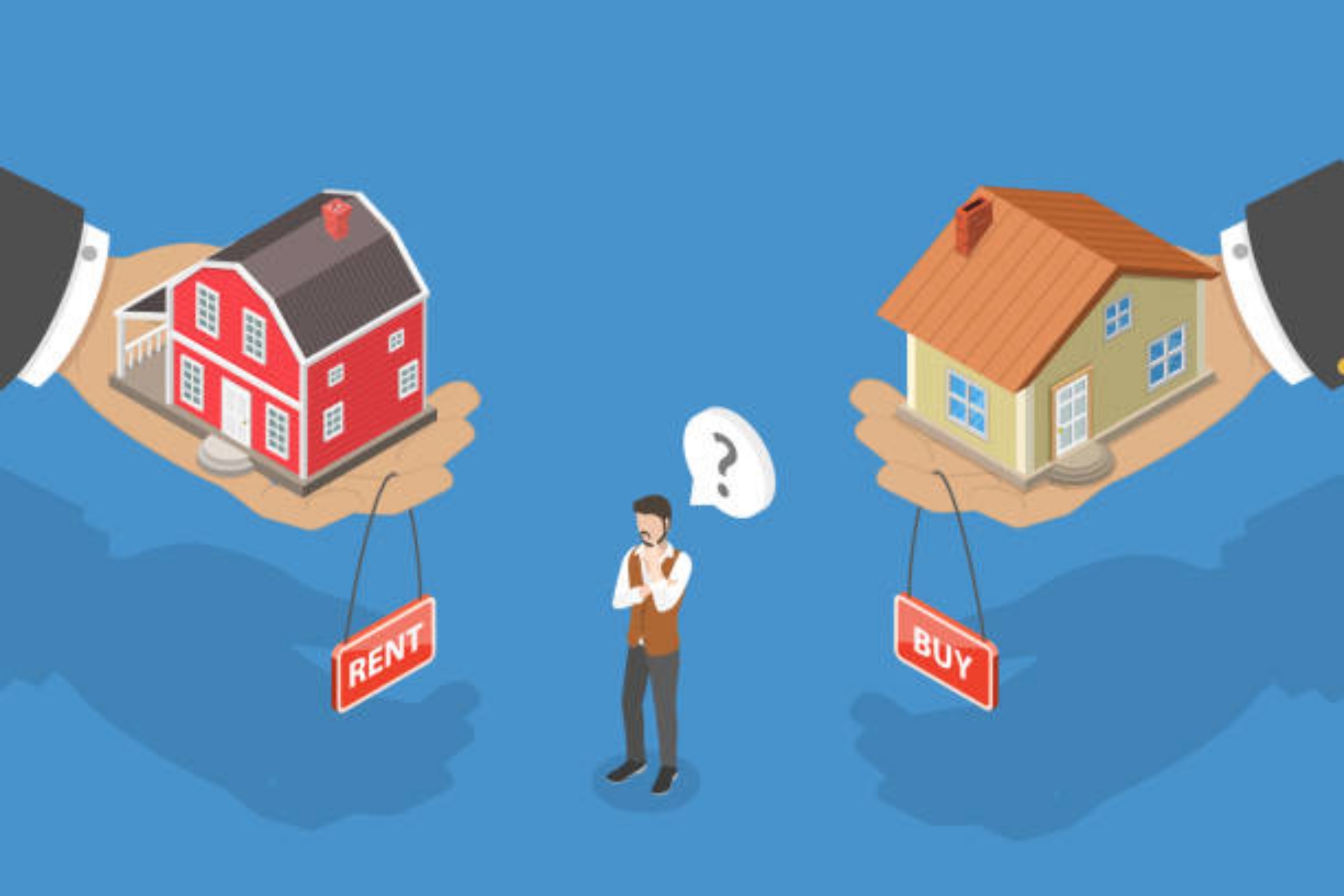
Renting vs Buying: Why This Decision Matters More Than Ever
The debate of renting vs buying a home has been ongoing for decades. For some, home ownership symbolizes stability, investment, and pride. For others, renting offers the freedom and flexibility to move without being tied to a mortgage or the risks of market fluctuations.
Thank you for reading this post, don't forget to subscribe!But which is truly better for you? The answer depends on your financial situation, lifestyle, long-term goals, and even where you live. A young professional in an expensive city like San Francisco may benefit from renting, while a growing family in a suburban area with affordable housing might find buying the smarter choice.
Related guide: Beginner’s Guide to Understanding Property Taxes
This article breaks down the pros and cons of renting vs buying, explains key factors to consider, highlights location-specific trends, and answers common questions people ask before making one of the biggest financial decisions of their lives.
Renting vs Buying: At a Glance
| Factor | Renting | Buying |
| Monthly Costs | Often lower upfront, fixed rent | Higher upfront (down payment, closing costs) but can stabilize with fixed-rate mortgage |
| Flexibility | Easy to move | Harder to sell quickly |
| Equity & Investment | No ownership, no equity | Builds equity, long-term wealth potential |
| Maintenance | Landlord responsibility | Homeowner responsibility |
| Stability | Rent increases possible, lease terms | More stable if mortgage fixed |
| Tax Benefits | None (in most cases) | Mortgage interest & property tax deductions (varies by region) |
Pros of Renting
1. Flexibility and Mobility
Renting is ideal for people who value mobility. If you frequently relocate for work or simply enjoy the freedom to move, a lease offers more flexibility than a mortgage.
2. Lower Upfront Costs
Renters typically only need a security deposit and possibly the first and last month’s rent. In contrast, buyers must cover a down payment, closing costs, and ongoing property taxes.
3. No Maintenance Costs
When you rent, major repairs are the landlord’s responsibility. A broken furnace or roof replacement doesn’t come out of your pocket.
4. Access to Prime Locations
In cities with soaring housing costs, renting can give you access to neighborhoods that would otherwise be unaffordable to purchase in. For instance, many residents in New York City or Los Angeles choose renting to live closer to work and amenities.
Cons of Renting
1. No Equity Building
Your monthly rent payments don’t go toward building wealth. Instead, you’re helping your landlord pay their mortgage.
2. Rent Increases
Leases may rise yearly, and in high-demand areas, this can quickly outpace income growth.
3. Limited Control
You can’t renovate, customize, or always keep pets without landlord approval.
4. Lack of Stability
Landlords may choose not to renew leases or sell the property, forcing tenants to move unexpectedly.
Pros of Buying
1. Equity and Wealth Building
When you buy, your monthly mortgage payments contribute toward ownership. Over time, your home can appreciate, adding to your net worth.
2. Stability and Security
Unlike rent, a fixed-rate mortgage locks in your monthly payment. Homeowners also enjoy long-term stability, knowing they can’t be forced out by a landlord. [Sources]
3. Tax Benefits
Depending on your country or state, mortgage interest and property taxes may be deductible.
4. Freedom to Customize
Owning means you can remodel your kitchen, add a deck, or paint walls any color without permission.
Cons of Buying
1. High Upfront Costs
Buying requires a significant down payment (often 5–20% of the home price), closing costs, inspection fees, and moving expenses.
2. Maintenance and Repairs
Unlike renters, homeowners must budget for maintenance—anything from plumbing issues to replacing a roof.
3. Market Risks
Housing markets fluctuate. If property values drop, you could owe more than your home is worth.
4. Less Flexibility
Selling a home takes time and may involve realtor fees and closing costs, making it harder to move quickly.
Renting vs Buying: Local Market Matters
The choice between renting and buying is heavily influenced by location.
- High-cost cities (e.g., San Francisco, New York, Los Angeles): Renting may be more affordable than buying due to skyrocketing home prices.
- Mid-sized cities (e.g., Austin, Raleigh, Nashville): Buying can be more cost-effective, as homeownership costs may equal or be lower than rent.
- Rural and suburban areas: Buying is often more feasible, with lower property costs and more space for families.
Pro Tip: Use the Rent vs Buy Calculator provided by major financial institutions (like Zillow, Realtor.com, or NerdWallet) to assess costs in your area.
Key Questions to Ask Before Deciding
- How long do I plan to stay in one place?
- Can I afford the upfront and ongoing costs of homeownership?
- What’s the housing market like in my city?
- Do I value flexibility more than stability?
- Am I financially prepared for unexpected repairs and maintenance?
Renting vs Buying: Financial Perspective
- Renting can make sense if your monthly rent is significantly lower than a mortgage payment in your city.
- Buying is usually advantageous if you plan to stay in the same home for at least 5–7 years, allowing time to build equity and recover transaction costs.
- Consider not only current housing prices but also property taxes, insurance, and maintenance.
FAQs: Renting vs Buying
1. Is renting ever better than buying?
Yes. If you need flexibility, have short-term plans, or live in a city where buying is extremely expensive, renting may be the smarter option.
2. How long should I live in a home before buying makes sense?
Typically 5–7 years. This allows enough time to build equity and offset upfront buying costs.
3. Can buying a home save money in the long run?
Yes, if you buy in a stable or growing market and hold onto the property long enough, home ownership often leads to wealth building.
4. What are hidden costs of buying a home?
Home inspections, property taxes, homeowners insurance, HOA fees, maintenance, and potential renovations.
5. Should I buy or rent in a high-cost city?
Often, renting is better in cities like San Francisco or Manhattan, unless you have significant savings and long-term plans to stay.
Conclusion: Renting vs Buying—Which Is Right for You?
There is no universal answer to whether renting or buying is better. Renting vs buying comes down to your financial health, lifestyle, and long-term goals.
- Renting works best for those who prioritize mobility, lower upfront costs, and freedom from maintenance.
- Buying makes sense if you’re ready to invest, want stability, and plan to stay in one place long enough to benefit from equity growth.
Evaluate your options carefully, use online calculators, and consult with financial and real estate experts before making a decision.