
 by Amir Iqbal
Renting a property in Dubai can feel overwhelming, especially for first-timers. With its world-class infrastructure, booming real estate sector, and diverse lifestyle options, Dubai continues to attract expatriates and investors from around the globe. This guide explains how to rent property in Dubai, from understanding costs and contracts to choosing the right location. We’ll also cover insights into apartments for rent in Abu Dhabi, offering a broader comparison for UAE renters.

Why Rent Property in Dubai?
Dubai offers a unique mix of luxury, convenience, and opportunity. Renting gives newcomers flexibility, whether you’re relocating for work, exploring investment opportunities, or seeking a high-quality lifestyle. Renting is especially popular among expats, who make up more than 85% of Dubai’s population.[Source]
Rental Market Trends in Dubai (2025)
In 2025, Dubai’s rental market remains competitive, with high demand in prime areas such as Downtown Dubai, Dubai Marina, and Palm Jumeirah. Average rents have increased by about 7% year-on-year, with villas seeing the strongest growth due to family demand.
- Average 1-BR Apartment: AED 75,000 – 90,000/year
- Average 2-BR Apartment: AED 110,000 – 150,000/year
- Villa Rentals: AED 180,000 – 300,000/year
Legal Framework for Renting in Dubai
All rental agreements in Dubai are regulated by the Real Estate Regulatory Authority (RERA). Tenancy laws protect both tenants and landlords, ensuring transparent practices.
Key Documents Required for Renting
To rent property in Dubai, you’ll typically need:
- Passport and residence visa copy
- Emirates ID
- Salary certificate or proof of income
- Post-dated rental cheques
Understanding Ejari and Tenancy Contracts
Every rental contract must be registered with Ejari, Dubai’s online rental registration system. This officializes the agreement and protects both parties.
Average Rental Prices in Dubai
On average, rental costs in Dubai can vary widely depending on the area and property type:
- Affordable zones (e.g., International City): from AED 35,000/year
- Mid-range (e.g., JLT, Business Bay): AED 70,000 – 110,000/year
- Prime locations (e.g., Marina, Palm): AED 150,000+ per year
Is Renting Cheaper Than Buying in Dubai?
For most expats, renting is more cost-effective than buying, especially if you’re unsure about long-term plans. Buying requires high upfront investments, while renting provides flexibility.
Steps to Rent Property in Dubai
Renting in Dubai follows a structured process that ensures security for both tenants and landlords. The process can be summarized in these steps:
- Set your budget to determine how much you can afford annually.
- Shortlist locations that match your lifestyle, commute, and amenities.
- Engage a licensed real estate agent to access verified and legal listings.
- Visit shortlisted properties in person to assess quality and suitability.
- Sign the tenancy contract once you finalize the property.
- Register the contract through Ejari for legal validation.
- Complete payments via deposits and post-dated cheques as agreed.
Choosing Between Apartments and Villas
The decision between an apartment or villa depends on your needs and lifestyle. Apartments are ideal for professionals and singles who want convenience and lower costs, often located near commercial hubs. Villas, however, suit families who prefer privacy, spacious layouts, and outdoor living space, especially in gated communities with schools and parks.
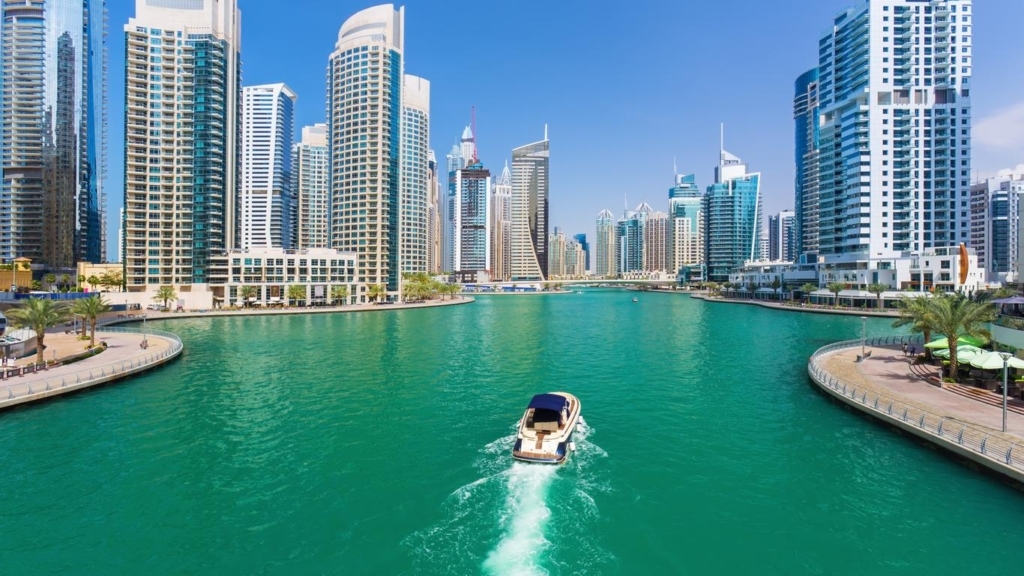
Best Areas to Rent in Dubai
| Area | Best For | Key Highlights |
| Dubai Marina / JBR | Young Professionals, Luxury Seekers, Beach Lovers | High-rise luxury, waterfront views, vibrant nightlife, beach access, The Walk. |
| Downtown Dubai | High-End Lifestyle, City Central, Professionals | Iconic landmarks (Burj Khalifa, Dubai Mall), world-class entertainment, excellent connectivity. |
| Jumeirah Lake Towers (JLT) | Young Professionals, Budget-Conscious | Affordable alternative to Dubai Marina, modern towers, easy Metro access, lively community. |
| Business Bay | Professionals (Corporate/Finance), Modern Lifestyle | Close to Downtown and DIFC, apartments along the Dubai Canal, trendy area. |
| Jumeirah Village Circle (JVC) | Families, Budget-Friendly | Affordable villas/apartments, community parks, well-connected via main highways, self-contained community feel. |
| Arabian Ranches / Mirdif | Families (Villas), Quieter Suburban Life | Gated communities with villas/townhouses, green spaces, schools, parks, and quieter ambiance. |
| Palm Jumeirah | Ultra Luxury, Beachfront Living | Exclusive, villas/apartments with private beach access, resorts, and high-end dining. |
Apartments for Rent in Abu Dhabi vs. Dubai Rentals
While Dubai offers a fast-paced lifestyle with trendier residential choices, Abu Dhabi is more relaxed and offers slightly more affordable housing options. Many professionals working in Abu Dhabi still explore Dubai’s properties for their vibrant lifestyle, while families often choose Abu Dhabi for its quieter communities and steady rental costs.
How Rental Payments Work in Dubai
Most rental payments in Dubai are made using post-dated cheques, with the annual rent divided into two to twelve installments. While landlords prefer fewer cheques for simplicity, tenants can negotiate flexible payment structures depending on their budget and financial planning.
Upfront Costs and Deposits Explained
In addition to the annual rent, tenants must prepare for upfront expenses. These include a security deposit of 5% for unfurnished apartments and 10% for furnished ones. Real estate agents charge a commission of about 5% of the annual rent, and an Ejari registration fee of AED 220 is mandatory for legalizing the tenancy contract.
What to Look for in a Rental Property
When evaluating rental properties, focus on practical factors that impact your daily life. Consider transport links, nearby schools, hospitals, and grocery stores. Check building amenities like gyms, pools, and parking, while also assessing the landlord’s responsiveness to maintenance requests to avoid future issues.
How to Negotiate Rent in Dubai
Rent negotiation is a common practice in Dubai’s market. Tenants should research average rates using RERA’s rental index, compare properties in the same community, and use this information to make a reasonable counteroffer. Offering to pay in fewer cheques or signing a longer lease can often help secure better terms.
Common Mistakes to Avoid When Renting
Many tenants face challenges due to overlooked details, which can complicate their rental experience. Here are some common mistakes to avoid:
- Not registering Ejari – Failing to register your tenancy contract leaves you unprotected under Dubai rental laws.
- Overlooking hidden charges – Service fees, maintenance charges, or utility deposits may add unexpected costs.
- Paying deposits without receipts – Always demand official receipts to avoid disputes later.
- Skipping property inspections – Ignoring small issues before signing may result in repair costs charged to you.
- Not checking landlord credentials – Ensure the landlord is the rightful owner and legally authorized to rent the property.
Being cautious at every step ensures a smooth and secure rental experience.
Renting as an Expat: What You Need to Know
Dubai makes it relatively easy for expats to rent, provided they hold a valid residency visa and Emirates ID. Landlords generally prefer tenants with stable jobs and family backgrounds. Understanding cultural norms and preparing necessary documents in advance helps speed up the process.
Short-Term Rentals vs. Long-Term Rentals
Dubai caters to both short-term and long-term rental needs. Short-term rentals, like serviced apartments and Airbnb listings, are flexible but come at higher monthly costs. Long-term rentals, on the other hand, provide more stability, lower costs, and are preferred by families and professionals staying for extended periods.
Furnished vs. Unfurnished Apartments
Furnished apartments are ready-to-move-in and ideal for expats on short-term contracts, offering convenience with higher rental rates. Unfurnished apartments are usually more affordable, allowing tenants to customize their space and save in the long run if they plan to stay longer.
Family-Friendly Rental Communities in Dubai
For families, Dubai offers several well-planned communities with schools, parks, and recreational facilities. Areas like Mirdif, Arabian Ranches, and Dubai Hills Estate are particularly attractive for their family-focused designs and safe, community-oriented living environments.
Luxury Apartments for Rent in Dubai Marina
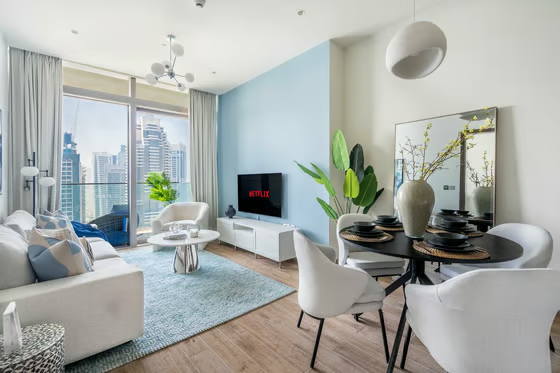
Dubai Marina is one of the most sought-after locations for luxury rentals, featuring waterfront apartments with world-class amenities. Popular buildings include:
- Liv Marina Dubai Apartment Rent
- Marina Gate Dubai Apartment Rent
- Opal Tower Dubai Marina Apartment
- Cayan Tower Dubai Apartment Rent
- Bay Central Dubai Marina Apartment Rent
Internal Links to Top Rental Properties in Dubai Marina
To explore more details, use the above links for property listings that include updated prices, floor plans, and high-quality photos. These resources provide insights into what makes Dubai Marina one of the most desirable rental locations.
Safety and Maintenance Responsibilities
Dubai’s tenancy laws ensure tenants live in safe environments. Landlords are responsible for structural safety and major repairs, while tenants typically handle small, day-to-day maintenance tasks. Clarifying these responsibilities in the contract prevents disputes later.
Future of Dubai’s Rental Market
The future of Dubai’s rental market looks promising with increasing demand for modern housing in freehold and waterfront areas. Analysts expect moderate growth in 2025 as the city continues to attract professionals, investors, and families seeking quality living options.
Final Tips for Renting Property in Dubai
Before signing any agreement, verify the landlord’s ownership documents and ensure the real estate agent is RERA-approved. Always register your contract with Ejari, and take the time to compare communities to find a property that aligns with your lifestyle and budget.
FAQs
Is it easy to rent a property in Dubai?
Yes, renting in Dubai is straightforward if you have the required documents such as your Emirates ID, passport, and residence visa. Working with a RERA-approved real estate agent simplifies the process.
How much does it cost to rent in Dubai?
Rental prices vary widely depending on the area and property type. Affordable apartments start from AED 35,000 annually, while luxury villas in premium communities can exceed AED 300,000 per year.
How do you rent out your property in Dubai?
Landlords must register with RERA, create a tenancy contract, and register it with Ejari. Listing through licensed agents or platforms ensures better visibility and compliance with regulations.
Is 3,000 USD enough to live in Dubai?
Yes, $3,000 (around AED 11,000) per month is enough for a comfortable lifestyle in Dubai, covering mid-range rent, utilities, transportation, and moderate leisure activities.
Can foreigners rent property in Dubai?
Yes, foreigners with a valid residency visa and Emirates ID can easily rent property in Dubai. Many landlords also require proof of income or a salary certificate.
Do I need Ejari registration?
Yes, Ejari registration is mandatory. It legalizes the tenancy contract and is required for setting up utilities like DEWA and resolving disputes with the rental tribunal.
Can I negotiate rent in Dubai?
Yes, rent negotiations are common. Tenants can use RERA’s rental index and community comparisons to request better deals. Offering fewer cheques or longer leases may strengthen your bargaining power.
What are the best areas for families to rent in Dubai?
Popular family-friendly communities include Arabian Ranches, Dubai Hills Estate, and Mirdif. These areas offer schools, parks, and a strong community lifestyle.
Are short-term rentals allowed in Dubai?
Yes, short-term rentals are available through licensed operators, including serviced apartments and Airbnb-style stays. However, they usually cost more than long-term leases.
Who pays for maintenance in Dubai rentals?
Landlords are responsible for major repairs and safety issues, while tenants typically handle minor maintenance unless stated differently in the contract.