by Amir Iqbal
Should you buy a brand-new home or one that someone has lived in before? It is one of the first questions every buyer asks about new-build vs resale homes USA, and in late 2026 the answer is less clear than it used to be. Prices for resale homes are starting to fall, while new homes are holding their prices — and builders are offering cheaper mortgage deals to win buyers over.
This guide looks at new-build vs resale homes USA in plain terms. No jargon, no sales talk. We compare the price, the mortgage, the condition of the home, the waiting time and the running costs, so you can see which type fits your budget and your plans. The numbers in this guide come from Redfin, the National Association of Realtors (NAR) and Realtor.com, all from November 2026.
One thing to keep in mind before we start: there is no single right answer. A new-build can be the smart buy for one person and a bad buy for another. It depends on where you want to live, how much cash you have, and how long you plan to stay.
What “new-build” and “resale” actually mean
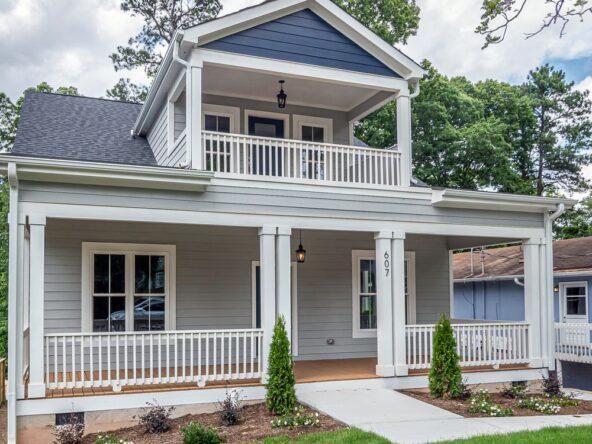
A new-build home is one that has never been lived in. A builder buys the land, builds the house, and sells it to the first owner. You may get to pick the kitchen worktops, the floor colour or the bathroom tiles. Some new-builds are sold before the building work is finished. Others are finished and ready to move into on the day you buy.
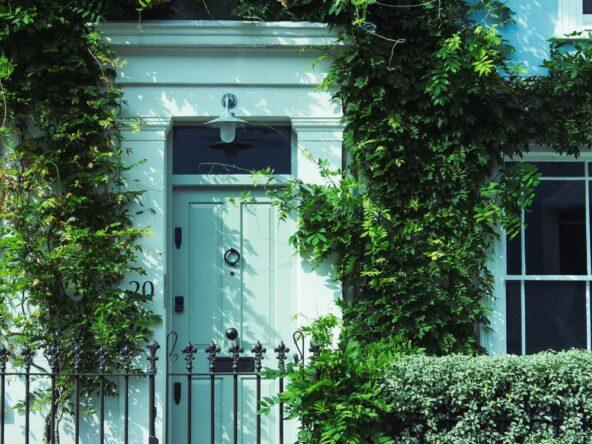
A resale home is any home that has had at least one owner before you. It could be five years old or a hundred years old. The seller is usually a family moving out, not a builder. The home comes as it is, with its own history, its own garden, and sometimes its own problems.
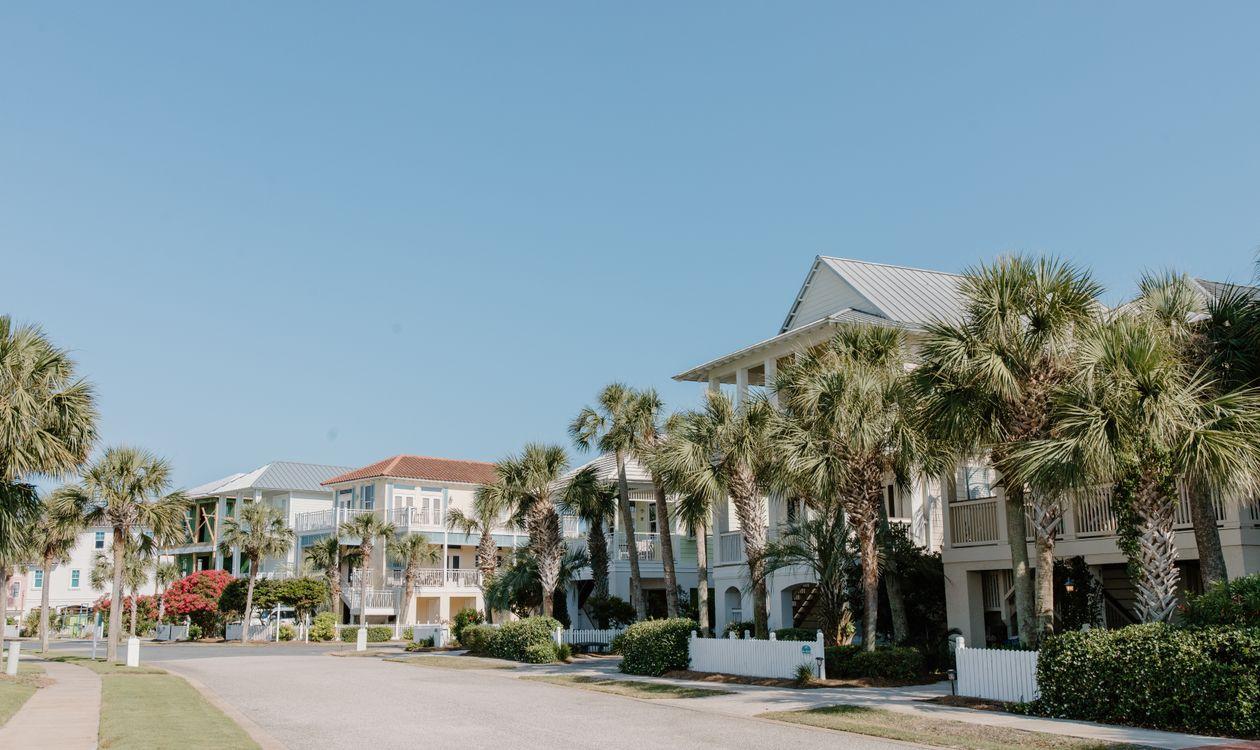
The two types also sit in different places. New-builds are often on the edge of town, on fresh streets where the trees are still small. Resale homes are often in older streets, close to schools, shops and train stations that have been there for years. That difference in location matters as much as the house itself.
The market in late 2026: resale prices are slipping, new-build prices are holding
To choose well, you need to know what the market is doing right now. And right now, the two sides of the market are moving in different directions.
Resale prices are going down. Redfin reported that for the four weeks ending 15 November 2026, the median sale price in the USA was $388,516. That is 0.4% lower than a year earlier, and it was the fourth weekly fall in a row. Pending sales — homes that have a buyer but have not closed yet — were 276,187, down 15.3% on the year. That is the lowest number Redfin has recorded since 2021.
The NAR numbers tell the same story. Existing-home sales fell to 3.75 million a year in October 2026, down 5.5% in a single month. That is the slowest pace since August 2010. The median price of an existing home was $416,700, up only 0.4% on the year. There were 1.59 million homes for sale, which is 5.1 months of supply. The NAR affordability index fell to 100.7, down from 107.3 a year earlier. In plain words, homes are harder to afford than they were last year, even though prices have stopped rising fast.
Realtor.com adds more detail. For the week ending 14 November 2026, the median listing price was $405,000, down 2.4% on the year. That was the 44th week in a row with a fall. Homes took a median of 66 days to sell, two days longer than a year earlier. Listings with a price cut were up 10.5%, and active inventory was up 8.6%. Sellers are cutting prices because buyers are not rushing.
New-builds look different. Realtor.com found that in the third quarter of 2026, existing-home prices were 1.5% below 2025 levels, while new-home listing prices were flat. Builders are not cutting their headline prices. Instead, they are offering sweeteners — and the biggest sweetener is a cheaper mortgage rate. We will come back to that in a minute, because it can change the maths completely.
So the short version is this: resale sellers are dropping prices, and builders are holding prices but helping with the mortgage. Both sides want your business. Your job is to work out which deal is really cheaper for you.
Price: what you actually pay
On paper, a resale home often looks cheaper. The median sale price across the USA was $388,516 in mid-November 2026, and the median listing price was $405,000. New-builds in the same area often list higher than a similar resale home next door. You pay for new walls, new wiring, new pipes and a home that nobody has lived in.
But the asking price is only the start. With a resale home, you can often offer less than the asking price, and in late 2026 sellers are more open to that than they were a year ago. Realtor.com says listings with price cuts are up 10.5% on the year. When a home has sat on the market for 66 days, the seller is usually ready to talk.
With a new-build, the price is harder to move. Builders protect their headline price because a lower sale price can drag down the value of every other home they still need to sell on the same street. So they keep the price and give you something else instead — a lower mortgage rate, help with closing costs, or free upgrades like better flooring. That help is real money, but it is easy to miss if you only compare asking prices.
Here is a simple way to compare. Take the resale home and the new-build you like. Write down the price of each. Then add the cost of the work the resale home needs in the first two years — a new roof, a new boiler, a kitchen update. Then subtract the value of the help the builder is offering. Only then can you see which one is really cheaper.
Foreign buyers should also think about tax. Buying a home in the USA comes with taxes that work differently from taxes back home, and the rules are not the same in every state. Our guide to property taxes in the USA for foreign buyers explains what to expect before you sign anything.
The mortgage gap: why builders can offer cheaper rates
The mortgage is where the new-build vs resale homes USA choice gets interesting in 2027. Rates are high for everyone. Freddie Mac put the average 30-year fixed rate at 7.11% on 12 November 2026, after 7.24% on 29 October. Redfin reported a median monthly payment of $2,723 at that 7.11% rate, and said daily average rates had climbed into the 7.5% range. Zillow expects the 30-year rate to stay above 7% until mid-2027.
A resale buyer pays the market rate. A new-build buyer often does not. Big builders work with their own lenders, and they can buy the rate down for you — sometimes for the first year or two, sometimes for the full loan. That can cut hundreds of dollars from your monthly payment. It is the main reason new-builds are still selling while resale sales are at their slowest since 2010.
Do not take the builder’s rate at face value. Ask three questions. First, how long does the low rate last? Second, what is the rate after that period ends? Third, what would the same home cost if you used your own lender instead? Some builders give you the low rate only if you use their lender, and their lender may charge higher fees. Get the full picture in writing.
If you are comparing the two types, our guide to US mortgage rates in 2027 explains where rates are heading and what it means for your monthly payment.
There is some hope on rates. Goldman Sachs expects mortgage rates to ease to 6.4% in 2027, with existing-home sales of 3.9 million and price growth of just 0.8% from December to December. That would help both types of buyer, but it is a forecast, not a promise. If you buy now, make sure you can afford the payment at today’s rate, not at a rate you hope to see next year.
What you get for the money: condition, repairs and running costs
A new-build should need very little work in the first few years. Everything is new — the roof, the heating, the kitchen, the bathroom. Most builders also give a warranty that covers faults in the first years. That peace of mind is worth a lot if you are buying from another country and cannot visit the home often.
A resale home can be a better home in many ways. Older homes often have bigger rooms, bigger gardens and thicker walls. They sit on streets with mature trees and neighbours who have lived there for years. But they also come with old parts. A roof, a boiler or an air conditioning unit can fail without warning, and each one can cost a lot to replace. Before you buy a resale home, pay for a full home inspection. It costs money now, but it can save you far more later. If the inspection finds problems, you can ask the seller to fix them or cut the price.
Energy bills are another quiet difference. New homes are built to modern rules, with better insulation, double glazing and efficient heating. Older homes can be draughty and costly to heat and cool. If you plan to live in the home, ask to see past energy bills. If you plan to rent it out, remember that high bills can put tenants off.
Size is worth a look too. New-builds sometimes have smaller rooms and smaller gardens than resale homes at the same price. Builders fit more homes onto the same land. Visit both types in person if you can, and measure the rooms that matter to you. Photos can make a small room look big.
Time and choice: how long you wait and what you can pick
A resale home is usually faster. You agree a price, finish the checks, and move in within a few weeks. If you need a home soon — for a new job, a school term or a visa date — that speed matters.
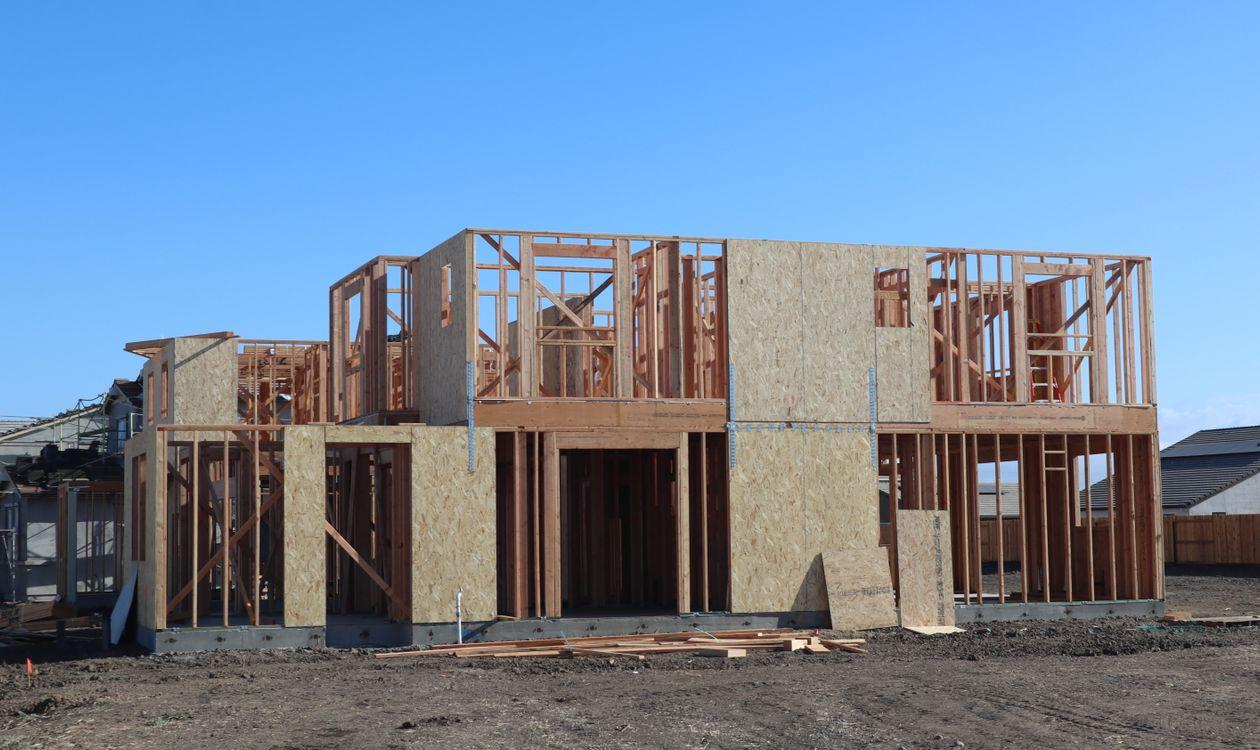
A new-build can be slow. If the home is not finished yet, you may wait months. Builders can face delays from weather, labour or materials, and the finish date can slip. You may also need to pay a deposit in stages while the work goes on. Ask for the finish date in writing, and ask what happens if the builder is late.
On choice, the new-build wins. You can often pick the layout, the kitchen, the bathroom and the colours. A resale home gives you what the last owner chose. You can change it later, but that costs time and money.
Location cuts the other way. Resale homes are often closer to the centre of town, to good schools and to public transport. New-build estates are often further out, where land is cheaper. Think about your daily life: the drive to work, the school run, the nearest shop. A cheaper home that adds an hour to your day is not really cheaper.
If you are not sure where to look, our guide to the best places to retire in the USA is a good starting point for the towns and cities where buyers are finding value — and the same places work well for first-time buyers too.
Who should pick which?
Pick a new-build if: you want low repair bills in the first years, you like the idea of choosing your own finish, and the builder’s mortgage deal makes the monthly payment lower than a resale home. New-builds also suit buyers who are moving from abroad and want a home that is ready, with a warranty, and with no hidden problems to find.
Pick a resale home if: you want to live in an older street near the centre of town, you want a bigger garden or bigger rooms, and you are ready to offer below the asking price. In late 2026, resale sellers are cutting prices and homes are sitting longer, so a careful buyer with a firm offer can find a good deal. Just make sure you budget for the inspection and for the repairs the inspection finds.
Investors should run the numbers both ways. A new-build may rent well because it looks fresh and needs little work, but it may cost more to buy. A resale home may cost less and sit in a better rental area, but it may need money spent before the first tenant moves in. Work out the rent, the mortgage, the tax and the repair budget for each home before you decide. If you are weighing the USA against the UK, our guide to UK vs USA property investment in 2027 compares the two markets side by side.
A simple checklist before you decide
- Compare the true cost, not the asking price. Add repairs for the resale home. Subtract the builder’s mortgage help and upgrades for the new-build.
- Check the monthly payment, not just the rate. A lower builder rate for two years can hide a higher rate later. Ask what you pay in year three.
- Get a full inspection on any resale home. Never skip it to save money. It is the best money you will spend.
- Visit the street, not just the house. Check the drive to work, the schools, the shops and the noise at night.
- Ask about the extra costs. Some new estates charge a monthly fee for shared areas. Some resale homes have old heating that costs a lot to run. Find out before you sign.
- Think about selling one day. A home in a popular area with good schools is usually easier to sell later, whether it is new or old.
What the numbers say you should do next
The market is giving buyers a rare chance. Resale prices are falling, sellers are cutting prices, and there are more homes to choose from — active inventory was up 8.6% on the year in mid-November. Builders, for their part, are holding prices but offering cheaper mortgages. Neither side is in a rush, and that is good news if you are patient and do your homework.
If you need a home soon and you find a resale home in a good street at a fair price, the falling market is on your side. Offer firmly, get the inspection, and do not be afraid to walk away. If you want a fresh home with low repair bills and a cheaper mortgage for the first years, talk to builders and compare their full deal — rate, fees and finish date — against a resale home in the same town.
Realtor.com publishes its weekly housing trends update every week, so you can watch prices and selling times in the area you like. The NAR existing-home sales report for October 2026 is the best place to see the national picture in one page.
When you are ready to look at real homes, browse homes for sale on ZameenInfo and compare new-builds and resale homes side by side. Shortlist two or three of each, run the true-cost check from this guide, and you will know which type is the better buy for you.