

 by Amir Iqbal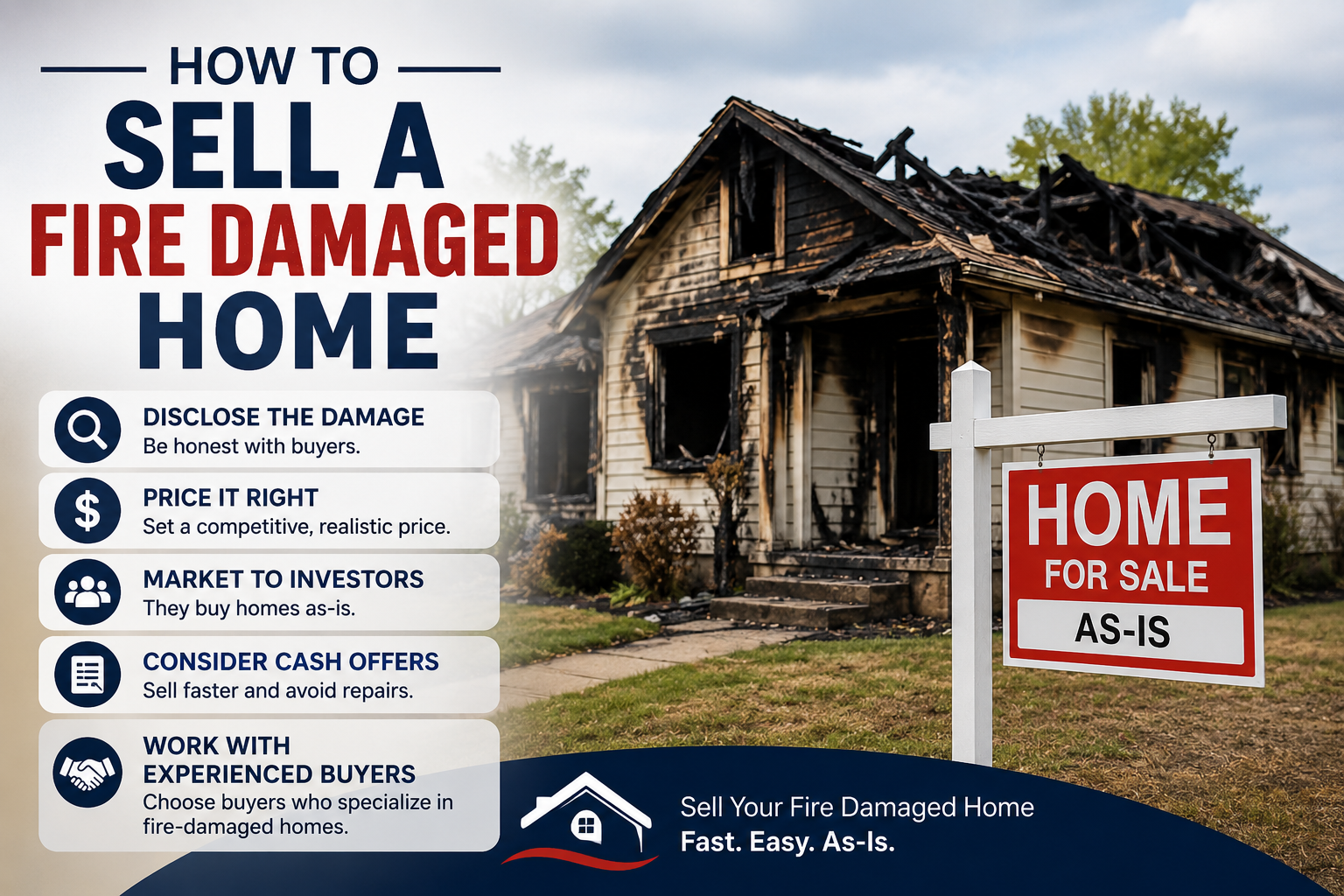
Selling a home after a fire can feel overwhelming, but it doesn’t have to be. Whether your property has minor smoke damage or significant structural damage, there are multiple ways to sell your home and recover financially. Understanding your legal obligations, insurance settlement, property value, and available selling options can help you make an informed decision.
Thank you for reading this post, don't forget to subscribe!Many homeowners worry that no one will purchase a fire damaged property. In reality, investors, cash home buyers, house flippers, contractors, and even traditional homebuyers may be interested depending on the property’s condition, location, and asking price.
This guide explains everything you need to know about selling a fire-damaged home, including insurance claims, home valuation, disclosure requirements, preparation steps, and the best selling strategies.
Can You Sell a Fire Damaged Home?
Yes. You can legally sell a fire-damaged home in most states, provided you comply with your state’s disclosure laws and accurately inform buyers about the property’s condition. You can sell:
- As-is without making repairs
- After completing fire restoration
- To a cash home buyer
- Through a real estate agent
- To a local investor or house flipper
- At auction in certain situations
The best option depends on the extent of the damage, your financial situation, insurance payout, and how quickly you need to sell.
Understanding Fire Damage Before Selling
Fire damage varies significantly from one property to another. Some homes require only cosmetic repairs, while others need complete structural reconstruction.
Minor Fire Damage
Minor damage may include:
- Smoke stains on walls and ceilings
- Burned flooring
- Damaged cabinets
- Electrical repairs
- Minor roof damage
- Smoke odor removal
These homes often qualify for conventional financing once repairs are completed.
Moderate Fire Damage
Moderate damage may involve:
- Partial structural damage
- Damaged HVAC systems
- Water damage from firefighting efforts
- Kitchen destruction
- Window replacement
- Interior rebuilding
These properties may attract investors or buyers willing to renovate.
Severe Fire Damage
Severely damaged homes often have:
- Structural failure
- Roof collapse
- Extensive electrical damage
- Foundation concerns
- Unsafe living conditions
- Major rebuilding requirements
These homes are commonly sold as-is to professional investors or cash buyers.
Understanding the level of damage helps determine the most effective selling strategy.
Your Options for Selling a Fire Damaged Home
Every homeowner’s situation is different. Fortunately, there are several paths to selling your property.
Sell the Home As-Is
Selling as-is means you do not complete repairs before listing the property.
This option is popular because it:
- Eliminates renovation costs
- Speeds up the selling process
- Reduces financial risk
- Attracts experienced investors
- Avoids contractor delays
Although the selling price may be lower than a fully restored home, many sellers save thousands of dollars by avoiding major repair expenses.
Best for:
- Extensive fire damage
- Financial hardship
- Inherited properties
- Vacant homes
- Urgent relocation
Repair Before Selling
If insurance covers most restoration costs, repairing the home before listing may increase its market value.
Potential benefits include:
- Higher selling price
- Larger buyer pool
- Easier mortgage approval
- Better appraisal
- Faster offers from traditional buyers
However, repairs require time, permits, inspections, and contractor coordination.
Sell to a Cash Home Buyer
Cash buyers specialize in purchasing distressed properties, including fire-damaged homes.
Advantages include:
- No repairs required
- No financing delays
- Flexible closing dates
- Minimal paperwork
- Quick transactions
- Reduced carrying costs
Cash sales are particularly helpful for homeowners dealing with insurance claims, probate, foreclosure, or relocation.
List with a Real Estate Agent
Experienced real estate agents can market fire-damaged properties to investors and buyers seeking renovation opportunities.
Agents may help with:
- Pricing strategy
- Marketing
- Professional photography
- Negotiations
- Buyer disclosures
- Closing coordination
Choosing an agent with experience selling distressed properties can improve your chances of a successful sale.
Insurance Claims: What Homeowners Need to Know
Insurance plays a major role in selling a fire-damaged home. Before accepting an offer, review your homeowner’s insurance policy and understand your claim status.
File Your Insurance Claim Promptly
After the fire:
- Notify your insurance company immediately.
- Document all damage with photos and videos.
- Keep receipts for emergency expenses.
- Prevent additional damage when safe to do so.
- Cooperate with the insurance adjuster.
Timely documentation helps support your claim and may speed up the settlement process.
Understand Your Settlement
Insurance payouts can vary based on your policy and the extent of the damage. A settlement may cover:
- Structural repairs
- Smoke damage cleanup
- Water damage from firefighting
- Temporary housing
- Personal property replacement
- Debris removal
- Code upgrades (if covered)
Review your settlement carefully so you understand which repairs have been funded and whether any obligations remain before selling.
Can You Sell Before Repairs Are Finished?
In many cases, yes. Homeowners may choose to sell the property before completing repairs, especially if they prefer not to manage the restoration process. The buyer should be informed about the property’s condition and the status of any insurance claim that affects the sale.
Consult your insurance company or attorney if you have questions about assigning claim rights or transferring benefits.
How Much Is a Fire Damaged Home Worth?
One of the biggest questions homeowners ask is how much their property is worth after a fire.
There is no universal percentage reduction. The value depends on several factors.
Key Factors That Affect Value
Location
Homes in desirable neighborhoods often retain stronger market value despite damage because land remains highly valuable.
Extent of Damage
Minor cosmetic issues generally have less impact on value than major structural damage.
Lot Value
In competitive real estate markets, buyers may primarily value the land rather than the existing structure.
Repair Costs
Buyers estimate renovation expenses before making an offer. Higher repair costs generally reduce purchase offers.
Local Housing Demand
In areas with limited housing inventory, damaged homes may still receive multiple offers from investors and builders.
Professional Property Valuation
To estimate your home’s value accurately, consider obtaining:
- A licensed appraisal
- A contractor’s repair estimate
- A comparative market analysis from a real estate agent
- An investor cash offer for comparison
Reviewing multiple opinions can help you establish a realistic asking price.
Legal Disclosure Requirements When Selling
Most states require sellers to disclose known material defects that could affect a property’s value or safety.
Fire damage is generally considered a material fact.
Information Buyers Should Know
Depending on state law, sellers may need to disclose:
- Date of the fire
- Areas affected
- Structural damage
- Smoke damage
- Water damage
- Mold concerns
- Electrical repairs
- Insurance claims related to the fire
- Completed restoration work
- Outstanding repair needs
Providing accurate information builds trust and reduces the risk of future disputes.
If you’re unsure about your state’s disclosure requirements, consult a qualified real estate attorney or licensed real estate professional before listing the property.
Preparing a Fire Damaged Home for Sale
Even if you plan to sell as-is, preparing the property can improve buyer confidence and help attract stronger offers.
Secure the Property
Protect the home by boarding broken windows, securing doors, and addressing immediate safety concerns where possible.
Remove Debris
Clearing burned materials and excess debris allows buyers to better assess the property’s potential.
Organize Documentation
Prepare important records such as:
- Insurance claim documents
- Fire department reports
- Repair estimates
- Contractor inspections
- Engineering reports
- Permits for completed work
Providing organized documentation can make the transaction smoother and reassure potential buyers.
Gather Repair Estimates
Even if you do not intend to make repairs, obtaining professional estimates gives buyers a clearer understanding of the property’s condition and renovation costs.
Improve First Impressions
Simple maintenance such as mowing the lawn, removing trash, and cleaning accessible areas—can make the property appear more cared for, even after a fire.
Key Takeaways
Selling a fire-damaged home requires careful planning, but homeowners have several viable options. Whether you decide to sell as-is, complete repairs, or work with a cash buyer, understanding your insurance claim, property value, disclosure obligations, and preparation steps can help you navigate the process with greater confidence. Taking time to gather documentation and evaluate your selling options lays the foundation for a smoother transaction and better-informed decisions.
Selling a Fire Damaged Home: Choosing the Best Method

After understanding your home’s condition and legal responsibilities, the next step is deciding how you want to sell your fire-damaged property. The right selling method depends on your financial goals, repair budget, timeline, and local real estate market.
Whether you need to sell quickly or maximize your return, comparing each option can help you make the best decision.
Repair the Home or Sell It As-Is?
One of the biggest decisions homeowners face is whether to invest in repairs before selling or list the property in its current condition.
Both approaches have advantages and disadvantages.
Selling As-Is
Selling a fire-damaged home as-is means transferring ownership without completing major repairs. The buyer accepts the property in its current condition, although you must still disclose known defects as required by state law.
Benefits of Selling As-Is
- Close the sale faster
- Avoid expensive restoration costs
- No need to hire multiple contractors
- Reduce stress and project management
- Ideal for inherited or vacant homes
- Lower holding costs such as taxes, insurance, and utilities
Potential Drawbacks
- Lower purchase offers
- Smaller pool of traditional buyers
- Buyers may negotiate aggressively after inspections
Despite these challenges, many homeowners find that selling as-is saves both time and money, especially when repair costs are substantial.
Repairing Before Selling
If the fire damage is limited and your insurance payout covers much of the restoration, repairing the property may increase its resale value.
Advantages
- Higher listing price
- More buyers qualify for financing
- Improved curb appeal
- Greater buyer confidence
- Stronger negotiating position
Disadvantages
- Significant upfront costs
- Construction delays
- Permit and inspection requirements
- Unexpected repair expenses
- Additional months before listing
Before beginning repairs, compare estimated renovation costs with the expected increase in market value. In some cases, selling as-is may produce a similar financial outcome with less risk.
Selling to Cash Home Buyers
Cash home buyers are one of the most common purchasers of fire-damaged properties.
These companies and investors purchase homes without requiring traditional mortgage financing, making transactions faster and more predictable.
Why Cash Buyers Purchase Fire-Damaged Homes
Professional investors often specialize in distressed properties. They renovate, rebuild, or redevelop homes for resale or rental purposes.
They typically evaluate:
- Location
- Lot value
- Structural condition
- Repair costs
- Neighborhood demand
- Future resale potential
Because they are experienced with renovation projects, cash buyers are often comfortable purchasing homes with significant fire damage.
Benefits of Selling to a Cash Buyer
Selling to a cash buyer can provide several advantages:
- Fast closings, often within days or weeks
- No lender financing delays
- No appraisal contingencies
- No repair requirements
- Flexible closing schedule
- Reduced paperwork
This option is especially useful for homeowners facing financial hardship, relocation, probate, divorce, or foreclosure.
Questions to Ask a Cash Buyer
Before accepting an offer, consider asking:
- Is there proof of available funds?
- Are there any hidden fees?
- Can the closing date be adjusted if needed?
- Will the buyer purchase the property as-is?
- Are inspections required?
- Has the buyer purchased fire-damaged homes before?
Comparing multiple cash offers can help ensure you receive a fair market price.
Selling Through a Real Estate Agent
Listing your property with an experienced real estate agent remains a strong option, particularly if the damage is minor or repairs have been completed.
An agent can help you:
- Determine a competitive asking price
- Market the property effectively
- Coordinate showings
- Negotiate offers
- Manage disclosures
- Guide the transaction through closing
When interviewing agents, ask whether they have experience selling distressed or fire-damaged properties. Their local market knowledge can be valuable when pricing and marketing the home.
Pricing a Fire Damaged Home Correctly
Pricing is one of the most important factors in selling a damaged property successfully.
Setting the price too high may discourage buyers, while pricing too low could leave money on the table.
Factors That Influence Pricing
Comparable Sales
Review recently sold homes in the same neighborhood with similar size, age, and condition.
Estimated Repair Costs
Buyers typically subtract anticipated renovation expenses from the home’s after-repair value when determining an offer.
Land Value
In high-demand areas, the land itself may represent a significant portion of the property’s value.
Market Conditions
A seller’s market with limited inventory may generate stronger offers, even for homes requiring repairs.
Insurance Settlement
Your insurance payout should not automatically determine the asking price. Instead, consider current market conditions and the property’s actual value.
Marketing a Fire Damaged Property
Although fire damage presents challenges, effective marketing can attract serious buyers.
The goal is to be transparent while emphasizing the property’s potential.
Highlight Positive Features
Focus on strengths such as:
- Desirable neighborhood
- Large lot size
- School district
- Investment opportunity
- Renovation potential
- Updated utilities
- New roof or structural improvements completed after the fire
Use High Quality Photography
Professional photos should accurately represent the property’s condition without being misleading.
If repairs have already been completed, include updated images that showcase the improvements.
Provide Documentation
Buyers appreciate transparency. Consider providing:
- Contractor estimates
- Engineering reports
- Inspection reports
- Insurance documentation
- Permit records
- Restoration invoices
Well-organized documentation can build trust and reduce buyer uncertainty.
Negotiating Offers Successfully
Receiving an offer is only the beginning of the negotiation process.
Consider more than just the purchase price.
Compare the Entire Offer
Evaluate:
- Purchase price
- Financing method
- Inspection contingencies
- Appraisal requirements
- Closing timeline
- Earnest money deposit
- Repair requests
Sometimes a slightly lower cash offer with fewer contingencies may be more attractive than a higher financed offer that carries additional risk.
Be Prepared for Inspection Findings
Even if the property is sold as-is, buyers may still conduct inspections.
Expect questions about:
- Structural integrity
- Electrical systems
- Smoke damage
- Water damage
- Mold
- HVAC systems
- Roofing
Providing inspection reports in advance can reduce surprises during negotiations.
Tips to Maximize Your Selling Price
While every situation is unique, these strategies may help increase buyer interest and improve your final sale price.
Obtain Multiple Offers
Comparing offers from investors, cash buyers, and traditional buyers provides leverage during negotiations.
Improve Curb Appeal
Simple improvements such as landscaping, debris removal, and exterior cleanup can make a stronger first impression.
Remove Smoke Odors
Professional odor removal services may improve buyer confidence, even if other repairs remain unfinished.
Keep Utility Services Active
If safe to do so, maintaining electricity and water allows buyers and inspectors to evaluate the property more easily.
Organize Your Records
Documentation demonstrates that the property has been properly evaluated and helps answer buyer questions quickly.
Selling a Fire Damaged Home in Different Markets
Local housing demand has a major impact on selling strategies. Understanding your area’s market conditions can help you position your property effectively.
Urban Markets
Cities with strong housing demand often attract investors seeking redevelopment opportunities.
Buyers may focus on:
- Land value
- Neighborhood growth
- Rental demand
- Future appreciation
Suburban Communities
Families purchasing in suburban areas may expect more completed repairs before making an offer.
Homes with restored interiors and updated safety systems often appeal to a broader audience.
Rural Properties
In rural markets, pricing becomes especially important because buyer demand may be lower and renovation costs can vary significantly.
Location Specific Guidance
Selling a Fire Damaged Home in California
California has one of the nation’s most active real estate markets, but it also experiences frequent wildfires. Buyers are often familiar with fire-related disclosures and may request documentation regarding insurance claims, inspections, and completed restoration work.
Homes located in desirable communities can still attract competitive offers, particularly from investors and builders interested in redevelopment.
Selling a Fire Damaged Home in New Mexico
New Mexico homeowners should consider local demand, repair costs, and regional construction timelines. Because contractor availability can vary, some buyers may prefer purchasing the property as-is and completing renovations themselves.
Providing accurate estimates and inspection reports can help reassure buyers.
Selling a Fire Damaged Home in Georgia
Georgia’s growing metropolitan areas often attract investors seeking renovation opportunities. Sellers who maintain clear documentation, realistic pricing, and full disclosure are generally better positioned to negotiate successfully.
Preparing for Part 3
In the final section, we’ll explore location-specific advice for Los Angeles, Albuquerque, and Atlanta, answer the most frequently asked questions, discuss common mistakes to avoid, provide expert selling tips, and conclude with actionable recommendations to help homeowners sell a fire-damaged property confidently.
How to Sell a Fire Damaged Home in Los Angeles
Los Angeles is one of the largest real estate markets in the United States and has experienced multiple wildfire events in recent years. Even if your property has sustained fire damage, there is often strong demand from investors, builders, and cash buyers looking for redevelopment opportunities.
Tips for Selling a Fire Damaged Home in Los Angeles
- Obtain a professional property inspection before listing.
- Gather insurance claim documents and repair estimates.
- Price the property based on neighborhood demand and current market conditions.
- Fully disclose all known fire, smoke, and water damage.
- Consider both traditional buyers and cash investors to compare offers.
- Highlight desirable features such as lot size, location, school districts, or redevelopment potential.
In competitive Los Angeles neighborhoods, land value alone can make a fire-damaged property attractive to experienced buyers.
How to Sell a Fire Damaged Home in Albuquerque
Albuquerque’s housing market offers opportunities for homeowners selling distressed properties, particularly in neighborhoods with steady demand and limited inventory.
Best Practices
- Request multiple repair estimates to understand restoration costs.
- Compare cash offers with the potential value after repairs.
- Work with a real estate professional familiar with distressed properties.
- Organize inspection reports and insurance paperwork before listing.
- Be transparent about any remaining structural or smoke-related issues.
Many investors in Albuquerque purchase homes requiring renovations, making an as-is sale a practical option for sellers who want to avoid costly repairs.
How to Sell a Fire Damaged Home in Atlanta
Atlanta continues to attract homebuyers, investors, and developers due to its growing population and expanding economy. Fire-damaged properties can appeal to buyers looking for renovation or redevelopment projects.
Selling Tips for Atlanta Homeowners
- Price the property realistically using comparable local sales.
- Improve curb appeal by removing debris and securing the property.
- Provide complete disclosure forms and repair documentation.
- Consider obtaining both investor offers and traditional market evaluations.
- Choose a selling strategy based on your timeline and financial goals.
A well-priced fire-damaged property in Atlanta can receive competitive interest, particularly in neighborhoods experiencing redevelopment or strong housing demand.
Common Mistakes to Avoid When Selling a Fire-Damaged Home
Avoiding these common mistakes can help you achieve a smoother transaction and reduce the likelihood of delays or disputes.
- Failing to disclose known fire damage or repairs.
- Accepting the first offer without comparing alternatives.
- Overpricing the property based on emotional attachment rather than market value.
- Ignoring professional inspections or repair estimates.
- Not organizing insurance claim documentation.
- Waiting too long to list the property if carrying costs are increasing.
- Choosing inexperienced contractors or agents without knowledge of distressed properties.
Planning ahead and maintaining accurate records can make the selling process more efficient and improve buyer confidence.
Final Thoughts
Selling a fire-damaged home may seem challenging, but homeowners have more options than ever before. Whether you decide to repair the property, sell it as-is, work with a real estate agent, or accept a cash offer, careful planning and accurate information can lead to a successful transaction.
Start by understanding your insurance coverage, determining the property’s current market value, and meeting your legal disclosure obligations. Compare selling methods, obtain multiple opinions on pricing, and organize your documentation before listing the home.
Every fire-damaged property is unique. By choosing a strategy that matches your timeline, financial goals, and local housing market, you can move forward with confidence and maximize the value of your investment.
FAQs About How to Sell a Fire Damaged Home
Can you sell a fire damaged house?
Yes. You can legally sell a fire-damaged house either as-is or after completing repairs. Many homeowners choose to sell directly to cash buyers or real estate investors, while others restore the property and list it on the open market. Be sure to comply with your state’s disclosure laws by informing buyers about any known fire damage.
Is it worth repairing a fire damaged home before selling?
It depends on the extent of the damage, repair costs, insurance coverage, and local housing market. Minor repairs may increase your home’s value and attract more buyers, while extensive damage may make selling the property as-is a more cost-effective option. Comparing repair estimates with potential resale value can help you decide.
How do you value a fire damaged property?
A fire-damaged property’s value is determined by several factors, including the severity of the damage, estimated repair costs, location, land value, neighborhood demand, and recent comparable sales. A licensed appraiser or real estate agent can provide an accurate valuation through an appraisal or comparative market analysis (CMA).
Who buys fire damaged homes?
Fire-damaged homes are commonly purchased by:
- Cash home buyers
- Real estate investors
- House flippers
- Property developers
- Construction companies
- Individual buyers looking for renovation projects
These buyers often specialize in distressed properties and can purchase homes without requiring extensive repairs.
Can I sell my house after an insurance claim?
Yes. Filing or receiving an insurance claim does not prevent you from selling your home. However, you should keep records of the claim, disclose any remaining damage when required by law, and clarify whether repairs have been completed before closing the sale.
Should I sell my fire damaged house as is?
Selling a fire-damaged house as-is can be a good choice if you want to avoid costly repairs, need to sell quickly, or don’t want to manage a renovation project. Although the sale price may be lower, you can save time, reduce expenses, and often close faster with a cash buyer or investor.
How much does fire damage reduce home value?
There is no fixed percentage. The reduction in value depends on the extent of the fire damage, repair costs, property location, buyer demand, and overall market conditions. Homes with minor cosmetic damage typically lose less value than properties with major structural damage.
What disclosures are required when selling a fire damaged house?
Most states require sellers to disclose any known material defects, including previous fire damage, smoke damage, structural issues, water damage from firefighting efforts, completed repairs, and any remaining safety concerns. Disclosure requirements vary by state, so it’s important to review local real estate laws before listing your property.
Can a bank finance a fire damaged home?
In some cases, yes. If the property is safe, habitable, and meets lender requirements, buyers may qualify for traditional financing. However, homes with severe structural or safety issues are often ineligible for conventional loans until repairs are completed. Cash buyers are generally the most common purchasers of heavily damaged properties.
Is it better to repair or sell a burned house?
The best option depends on your financial situation, insurance settlement, repair costs, and selling timeline. Repairing the home may result in a higher selling price, while selling as-is can save time and eliminate renovation expenses. Comparing both options with guidance from a real estate professional can help you make the right decision.