
 by Amir Iqbal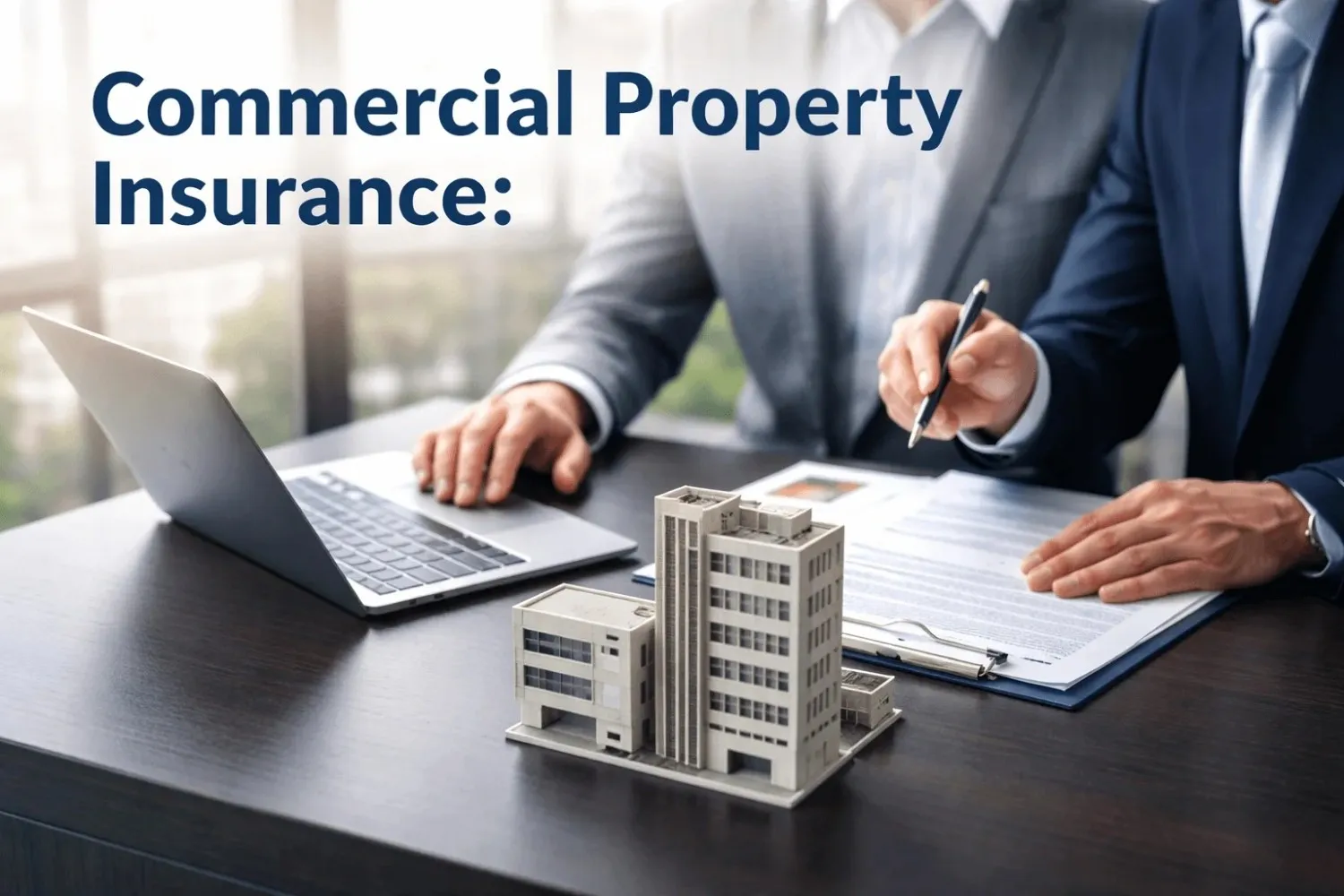
Owning a business comes with its fair share of risks. From natural disasters to theft, unexpected events can threaten your commercial property, equipment, and inventory. For local business owners, protecting these assets is not just wise, it’s essential. Commercial property insurance provides a financial safety net that allows businesses to recover and continue operations even after significant setbacks.
In this comprehensive guide, we’ll walk you through everything you need to know about commercial property insurance. You’ll learn about its types, benefits, costs, coverage options, and common mistakes to avoid. Additionally, we’ll cover frequently asked questions to ensure you make informed decisions about protecting your business.
Whether you own a retail store, office space, or a commercial complex, this guide will help you understand how to secure your assets and minimize potential financial risks. By the end, you’ll have a clear roadmap for choosing the right policy that fits your business needs.
What is Commercial Property Insurance?
Commercial property insurance is a type of insurance that safeguards physical assets owned by a business. This includes buildings, equipment, office furniture, inventory, and sometimes leased or rented property. Essentially, it is designed to protect businesses from financial losses caused by events such as fire, theft, vandalism, storms, or other unforeseen incidents.
Without this coverage, business owners would have to cover repair, replacement, or rebuilding costs out of pocket, which could severely impact cash flow or even force a closure.
Commercial property insurance policies are highly customizable. They can include various optional coverages, depending on your business type, location, and risk exposure. Some policies also cover loss of income due to business interruptions, ensuring that you are compensated for revenue lost during downtime.
Why Your Business Needs Commercial Property Insurance
Every business, regardless of size or industry, faces unique risks. Even with robust safety measures, accidents and disasters can happen. Here’s why commercial property insurance is crucial:
- Protects Physical Assets – Safeguard your office building, equipment, and inventory.
- Ensures Business Continuity – Policies can cover temporary relocation costs and lost income.
- Minimizes Financial Loss – Reduces the burden of large repair or replacement costs.
- Meets Legal & Lender Requirements – Certain leases, loans, or contracts may require insurance.
- Peace of Mind – Owners can focus on growing their business without constant worry about unforeseen losses.
By securing a comprehensive insurance policy, business owners create a safety net that allows them to respond quickly to emergencies and maintain operations without severe financial disruption.
Types of Commercial Property Insurance
Understanding the different types of commercial property insurance is key to choosing the right coverage. Most businesses require a combination of policies to ensure full protection.
1. Commercial Building Insurance
Commercial building insurance covers physical structures such as offices, warehouses, factories, or retail spaces. It protects against damages caused by fire, storms, vandalism, and other covered perils. Depending on your policy, it may also cover structural improvements made to leased spaces.
2. Business Property Insurance
This type of insurance protects movable assets, including office furniture, equipment, and inventory. It ensures that businesses can replace or repair damaged property without incurring large out-of-pocket expenses. Business property insurance can also cover leased or rented equipment essential to operations.
3. Commercial Fire Insurance
Fire can cause extensive damage to both buildings and contents. Commercial fire insurance specifically covers fire-related damages, including smoke damage and costs associated with firefighting. Fire insurance is often a required coverage for businesses in certain industries, particularly those with higher fire risks.
4. Commercial Flood Insurance
Floods are a common threat in many regions. Standard commercial property policies often exclude flood damage, so additional commercial flood insurance is necessary in flood-prone areas. This coverage helps businesses recover from water damage, repair structural harm, and replace lost inventory.
5. Office Insurance
Office insurance is tailored for businesses operating primarily in office environments. It covers computers, office furniture, printers, and other equipment essential for daily operations. Some policies also include protection against accidental damage, theft, and natural hazards.
6. Additional Optional Coverages
Depending on your business needs, insurers may offer optional add-ons such as:
- Business Interruption Insurance: Compensation for lost income during downtime.
- Equipment Breakdown Coverage: Protection against mechanical or electrical failures.
- Employee Property Coverage: Covers personal property of employees on premises.
- Crime Insurance: Protection against theft, fraud, or employee dishonesty.
How Commercial Property Insurance Works
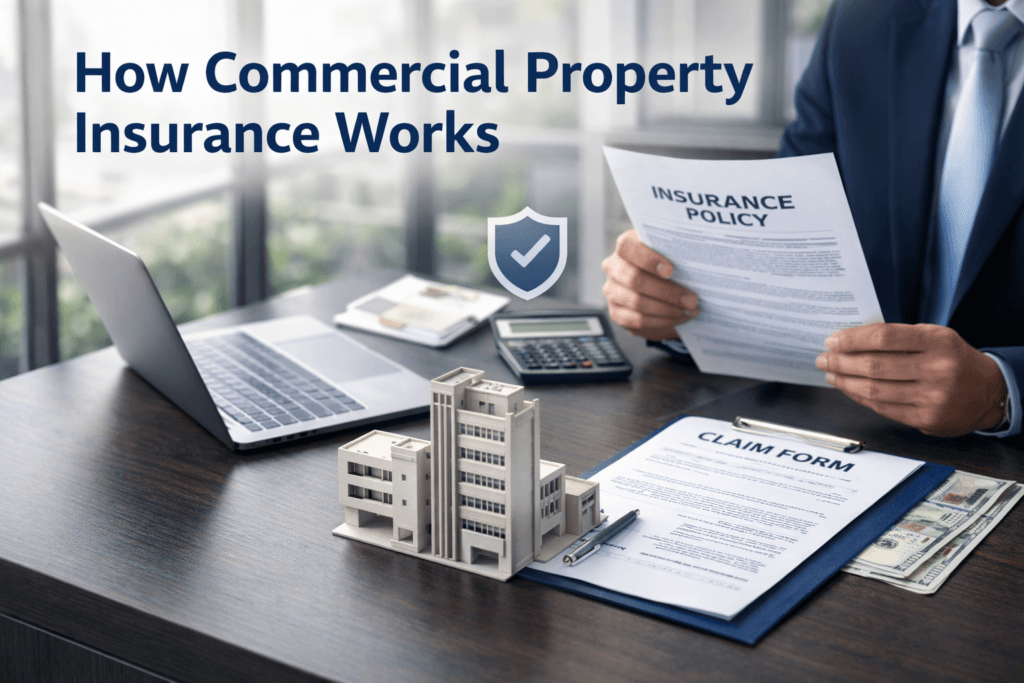
When a covered event damages your property, your insurance policy helps cover the cost of repair, replacement, or rebuilding. Here’s a step-by-step overview:
- Purchase a Policy: Choose coverage limits, deductibles, and optional add-ons.
- Report a Claim: Notify your insurer immediately after a loss.
- Document Damage: Take photos, inventory affected items, and gather receipts.
- Assessment & Adjustment: The insurance company evaluates the claim and determines coverage.
- Compensation: Receive funds to repair, replace, or rebuild your property according to the policy terms.
Proper documentation and timely reporting ensure a smoother claims process and faster recovery for your business.
Factors Affecting Commercial Property Insurance Costs
The cost of insurance varies widely depending on multiple factors:
- Property Value: Higher-value buildings and equipment increase premiums.
- Business Type: Businesses in high-risk industries may face higher costs.
- Location: Crime rates, natural disaster risk, and local building codes affect pricing.
- Coverage Limits & Deductibles: Higher coverage limits and lower deductibles increase premiums.
- Claims History: A business with previous claims may face higher premiums.
On average, small businesses in the USA may pay $500–$3,000 per year, while larger commercial properties with higher risks may pay significantly more. Always request multiple quotes and compare coverage details to find the best fit for your budget and needs.
How to Choose the Right Policy
Selecting the right policy requires careful evaluation of your business assets and potential risks. Here’s a step-by-step guide:
- Assess Your Assets: List all buildings, equipment, inventory, and office furniture.
- Identify Risks: Consider fire, flood, theft, vandalism, and operational hazards.
- Determine Coverage Needs: Decide on coverage limits and optional add-ons based on risk assessment.
- Compare Insurance Providers: Look at policy features, reputation, and claims support.
- Review Exclusions: Ensure you understand what is not covered in each policy.
- Seek Professional Advice: Insurance brokers or consultants can tailor coverage to your business requirements.
By following these steps, you ensure that your policy protects all essential assets without paying for unnecessary coverage.
Common Mistakes to Avoid
Business owners often make mistakes when purchasing commercial property insurance. Avoid these pitfalls:
- Underestimating Property Value: Not accounting for the full value of buildings, equipment, or inventory can lead to insufficient coverage.
- Ignoring Optional Coverages: Flood, earthquake, or business interruption coverage may be essential but often overlooked.
- Assuming All Risks Are Covered: Standard policies have exclusions; read the fine print carefully.
- Failing to Update Policy: As your business grows or assets increase, update coverage limits to match current needs.
- Choosing Lowest Premium Only: Cheapest options may lack essential protections, leading to higher costs after a loss.
FAQs About Commercial Property Insurance
Q1: Is commercial property insurance mandatory?
A: It is not legally required in most regions, but lenders, landlords, or lease agreements may require it.
Q2: Does it cover natural disasters?
A: Standard policies often cover fire, theft, or vandalism. Floods, earthquakes, and hurricanes may require additional endorsements.
Q3: Can I insure leased property?
A: Yes. Business property insurance can cover leased office spaces, equipment, or improvements.
Q4: What’s the difference between business property insurance and commercial property insurance?
A: Business property insurance primarily covers movable assets, while commercial property insurance includes both buildings and contents.
Q5: How do I file a claim?
A: Contact your insurer immediately, document all damages, and provide evidence for faster claim processing.
Q6: Can I bundle insurance policies?
A: Many insurers offer package policies that combine commercial property, liability, and business interruption coverage, often at a lower overall cost.
Conclusion
Commercial property insurance is a crucial investment for any business owner. It protects your buildings, equipment, and inventory from unforeseen events, ensuring financial stability and business continuity.
Don’t wait for disasters to strike. Evaluate your risks, choose the right coverage, and safeguard your business assets today. Visit ZameenInfo for expert guidance and tailored insurance solutions that fit your needs.