

 by Amir Iqbal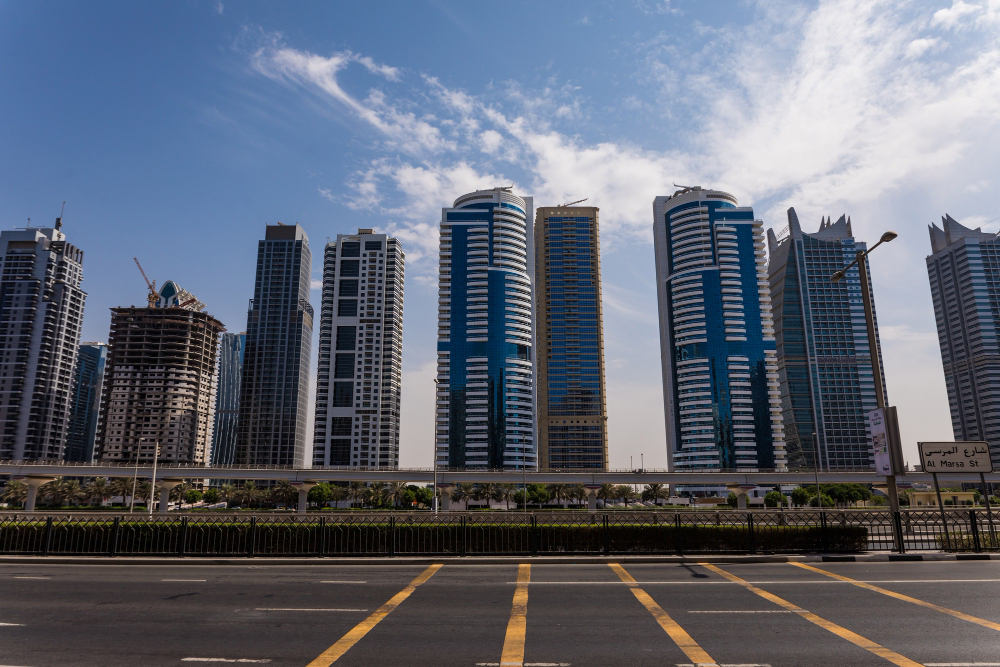
Renting an apartments in UAE can seem overwhelming, especially if you’re unfamiliar with the local laws, market dynamics, and differences between emirates. Whether you’re looking to live in the bustling heart of Dubai, the budget-friendly neighborhoods of Sharjah, or the growing communities of Ajman, this complete guide to renting apartments in the UAE will walk you through every detail you need to know.
Overview of the UAE Rental Market
The Renting an apartments in UAE is shaped by expat demand, government policies, and regional infrastructure development. Dubai leads with luxury and high-rise living, while Sharjah and Ajman offer more affordable family-oriented communities. Across the Emirates, rental contracts typically span one year, and upfront payment through post-dated checks is common.

Understanding Rental Laws and Rights
Each emirate has its own real estate regulatory authority:
- Dubai: Overseen by the Dubai Land Department (DLD) and Real Estate Regulatory Agency (RERA)
- Sharjah: Governed by the Sharjah Municipality
- Ajman: Regulated by the Ajman Real Estate Regulatory Agency (ARRA)
Tenants are protected from sudden rent hikes. In Dubai, for example, RERA’s rental index determines the maximum increase allowed. Evictions require notice and can only happen for specific legal reasons.
Key Factors Before Renting
Determine Your Budget
Assess your total monthly income and aim to spend no more than 30-35% on rent. In Dubai, a one-bedroom flat in an average neighborhood can cost AED 40,000 to AED 70,000 annually. Sharjah and Ajman offer options from AED 20,000 to AED 40,000.
Choose the Right Emirate
Renting an apartments in UAE offers career opportunities, luxury, and modern amenities. Sharjah attracts families and those seeking Islamic cultural environments with lower rent. Ajman appeals to budget renters and is growing in popularity among commuters.
Understand the Total Cost
Rent isn’t the only cost. You’ll need to budget for:
- Security deposit (usually 5% of annual rent)
- Agency fees (around 5% of rent)
- DEWA or SEWA utility deposits
- Chiller fees (in some buildings)
- Parking (if not included)
Renting an apartments in UAE
Popular Affordable Areas
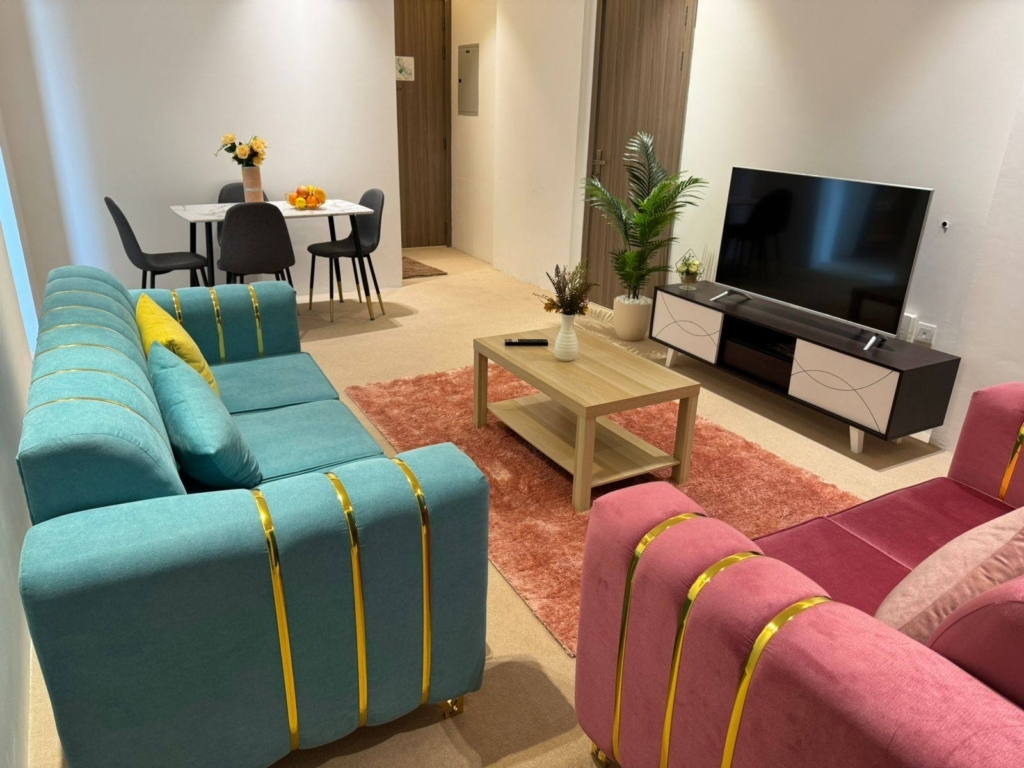
Budget-conscious renters often consider these locations:
- International City: Multicultural, with studios from AED 20,000/year
- Discovery Gardens: Green, walkable, studios around AED 30,000
- Jumeirah Village Circle (JVC): Modern with community feel, 1-bedroom around AED 45,000
For a detailed breakdown, visit Top 5 Affordable Areas to Buy Flats in the UAE
Required Documents
To Renting an apartments in UAE, you need:
- Passport and visa copy
- Emirates ID
- Salary certificate or employment contract
- Bank statement (past 3-6 months)
Ejari Registration
Every Renting an apartments in UAE contract must be registered on Ejari, an online system regulated by RERA. This step legalizes the lease and protects both tenant and landlord rights.
Renting Apartments in Sharjah
Lower Rent, Family-Friendly Atmosphere
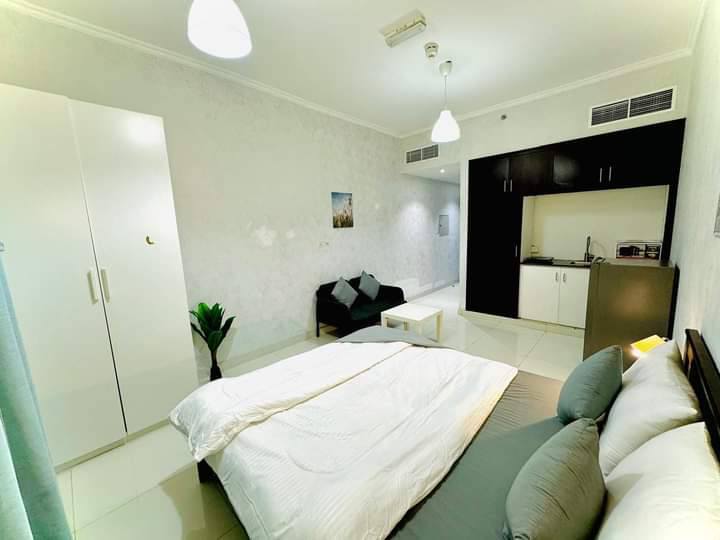
Sharjah provides excellent value. Renting an apartments in UAE are generally larger, and neighborhoods like Al Nahda, Al Khan, and Muwaileh are popular among families.
- Studio: AED 15,000–20,000
- 1-Bedroom: AED 20,000–30,000
- 2-Bedroom: AED 25,000–40,000
Cultural and Legal Notes
Renting an apartments in UAE Sharjah follows stricter social codes. For example, unmarried couples may face restrictions in securing a joint lease. Alcohol is banned in the emirate, and laws align more closely with traditional Islamic values.
Utilities and Services
Water and electricity are managed by SEWA (Sharjah Electricity and Water Authority). Be sure to check whether bills are included in your rent.
Renting Apartments in Ajman
Most Affordable in the UAE
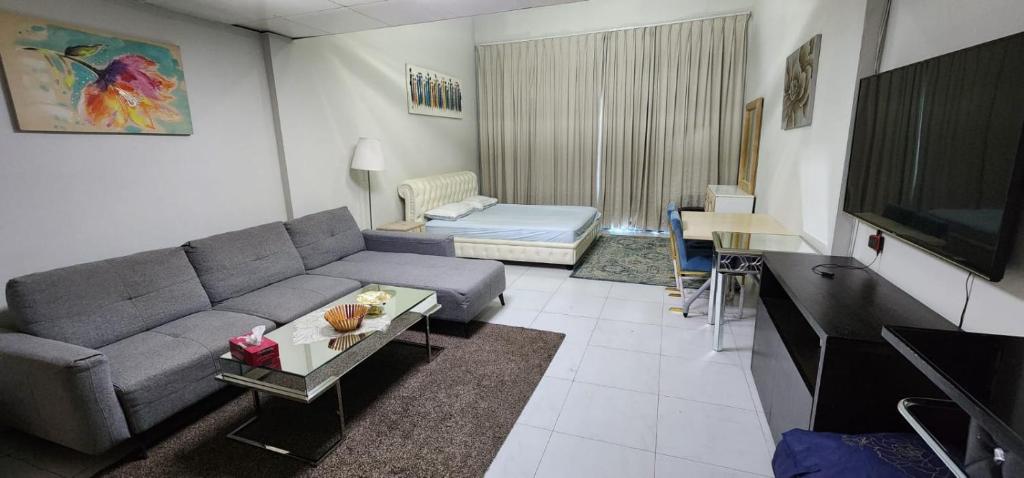
Renting an apartments in UAE Ajman is often the cheapest emirate for renters. Its compact size makes commuting easy, and many Dubai workers choose to live here for the cost savings.
- Studio: AED 12,000–17,000
- 1-Bedroom: AED 18,000–25,000
- 2-Bedroom: AED 25,000–35,000
Common Areas to Rent
- Ajman Corniche: Waterfront living, popular with families
- Al Nuaimiya: Convenient access to Sharjah and main roads
- Al Rashidiya: Affordable buildings, close to Ajman City Centre
Rental Contract and Renewal Process
Most leases in the UAE are 12 months. Tenants should:
- Inspect the apartment before signing
- Document any damages
- Get all terms in writing (maintenance, chiller, etc.)
Renewals usually require 90 days’ notice. Landlords must adhere to legal rent caps and cannot raise rent arbitrarily.
Furnished vs. Unfurnished Apartments
- Furnished: Higher rent, convenient, ideal for short stays
- Unfurnished: Cheaper, requires investment in furniture
Choose based on your duration of stay and budget.
Key Considerations When Viewing a Property
- Check for water pressure and AC performance
- Ensure elevators and security systems work
- Verify parking availability
- Test Wi-Fi and mobile signal in the unit
Understanding Landlord and Tenant Responsibilities
Landlords must provide a habitable space and handle major maintenance. Tenants are responsible for:
- Minor repairs
- Utility bills
- Respecting community rules
How to Avoid Rental Scams
- Don’t pay without a signed contract
- Verify the agent’s RERA or ARRA license
- Visit the apartment before making any payments
Tips for First-Time Renters in UAE
- Visit multiple properties before deciding
- Use a licensed real estate agent
- Compare market prices
- Read the lease agreement thoroughly
Short-Term Rentals and Holiday Homes
The UAE has a growing market for short-term rentals, especially in Dubai. Platforms like Airbnb and local agencies offer fully furnished units for stays as short as a week. These are great for tourists, remote workers, or those testing out an area.
Comparing Real Estate Trends Globally
To learn more about global property opportunities, check out:
- Top 5 Affordable Areas to Buy Flats in the UK
- Best Cities in UAE to Invest in Real Estate
- Best Cities in UK to Invest in Real Estate
FAQs of Renting an Apartments in UAE
Q: Can expats rent property in all Emirates?
Yes, expats can rent in all emirates, although terms and cultural expectations may vary.
Q: Are utility bills usually included in rent?
Sometimes. Always confirm whether DEWA, SEWA, chiller, and internet are part of the rent.
Q: How long does it take to find an apartment?
It can take anywhere from a few days to a couple of weeks depending on your flexibility and documentation.
Q: What happens if I break my lease early?
Most contracts include penalties for early termination. You may forfeit your deposit or be charged one or two months’ rent.
Q: Is it better to rent through an agent or directly from the owner?
Both options are viable. Agents help with legal clarity, but owners might offer better deals.
Q: Are there rent control laws in the UAE?
Yes, particularly in Dubai and Sharjah. Rent increases are regulated by respective authorities.
Q: Can I negotiate the rent?
Yes, especially in Sharjah and Ajman. Landlords may be flexible based on upfront payment or longer contracts.
Renting an apartments in UAE requires awareness of local rules, budgeting smartly, and choosing the right location. This complete guide to renting apartments ensures you’re equipped with the information needed to find the best possible home and Renting an apartments in UAE in Dubai, Sharjah, or Ajman.